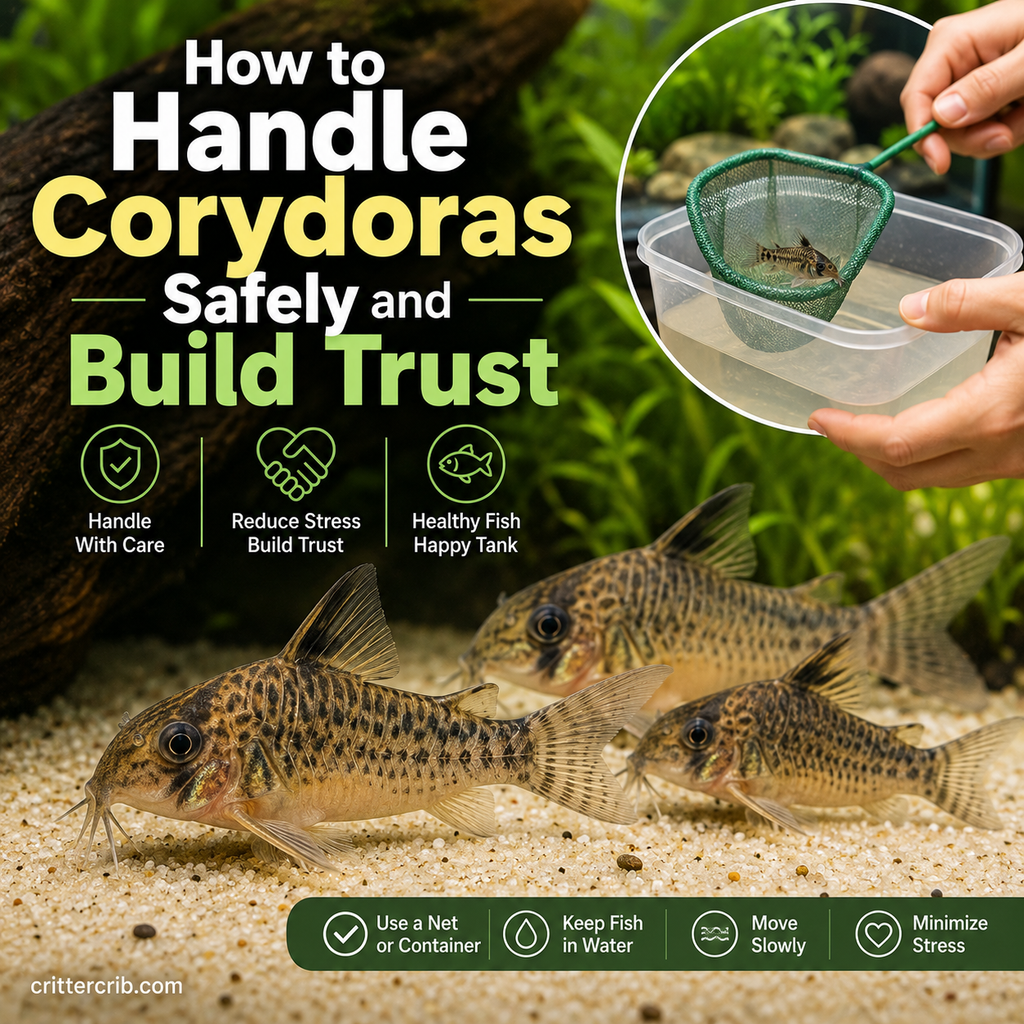
How to Handle Corydoras Safely and Build Trust

Corydoras catfish in a planted aquarium with a container and net used for safe fish transfer

Corydoras catfish have a reputation for being peaceful, social, and endlessly entertaining. Spend enough time watching a group and you’ll see them sift through the substrate, dart toward the surface for air, rest together, and investigate just about everything on the bottom of the aquarium.

That friendly personality can make new owners wonder whether Corydoras can be handled or even taught to trust people.

They can certainly become comfortable with your presence. However, building trust with Corydoras isn’t about picking them up or touching them.

In fact, physical handling should generally be avoided unless it’s necessary.

Corydoras are small, delicate fish equipped with sharp fin spines that can injure both the fish and the person handling them. The safest way to build a relationship is through consistent feeding, calm movements, a comfortable environment, and predictable care.

When you do need to catch or transfer a Cory, knowing how to do it safely can prevent unnecessary stress and injury.

Here’s what every Corydoras keeper should know.

Continue reading “How to Handle Corydoras Safely and Build Trust”
Ideal Temperature and Humidity for Guppies

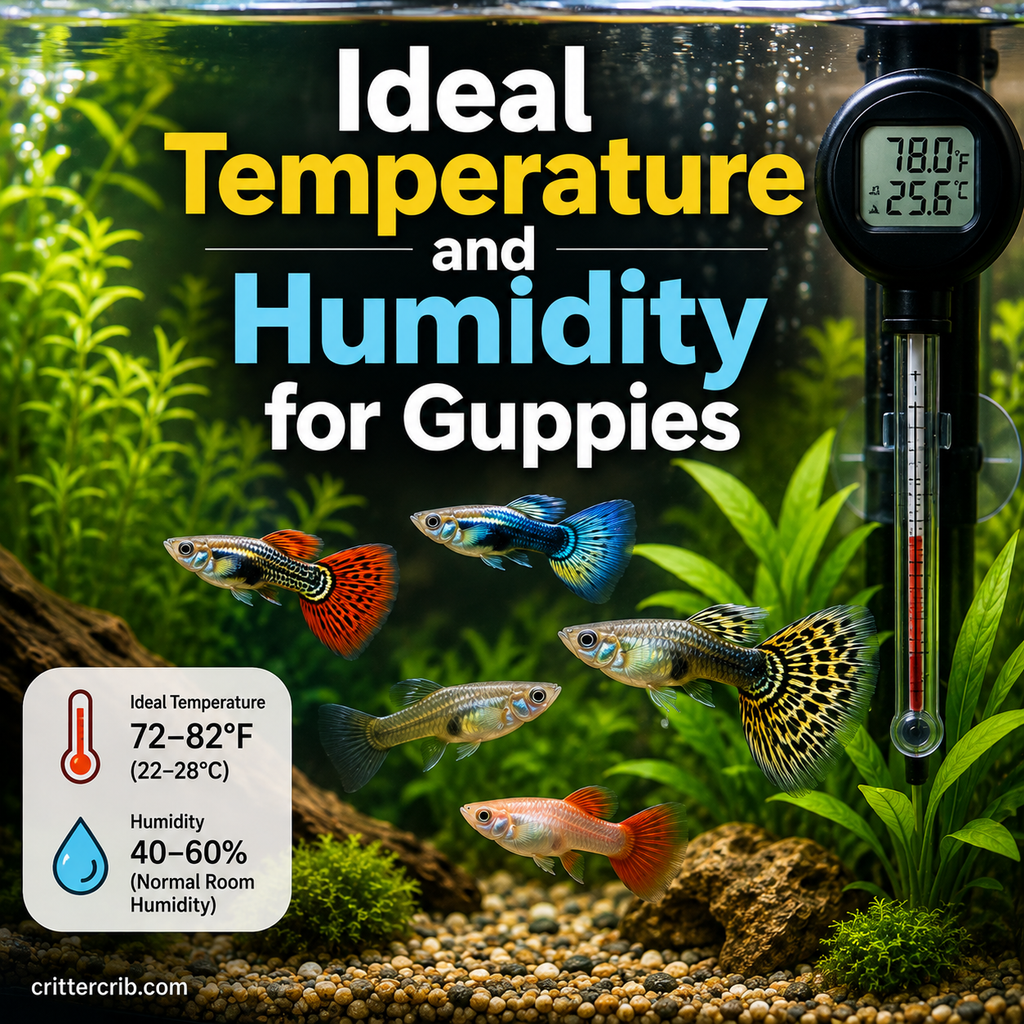
Colorful guppies swimming in a planted aquarium with a thermometer monitoring water temperature
Guppies thrive in stable tropical water temperatures, while normal household humidity is generally fine for their aquarium.

Guppies are often described as hardy beginner fish, and for good reason. They can adapt to a range of aquarium conditions and generally aren’t as demanding as some tropical species.

Still, hardy doesn’t mean they can thrive in any environment.

Temperature plays an important role in a guppy’s health, activity level, digestion, immune function, and overall comfort. Keeping the water consistently within an appropriate range is one of the simplest things you can do to create a healthy guppy aquarium.

But what about humidity?

If you’ve searched for the ideal temperature and humidity for guppies, there’s an important distinction to understand: guppies live completely underwater, so the humidity of the room isn’t normally a husbandry requirement the way it is for reptiles, amphibians, or certain invertebrates.

For guppies, water temperature and water quality matter far more than air humidity.

Here’s what you need to know about maintaining comfortable, stable conditions for guppies throughout the year.

Continue reading “Ideal Temperature and Humidity for Guppies”

Are Goldfish Good Pets? What Beginners Should Know

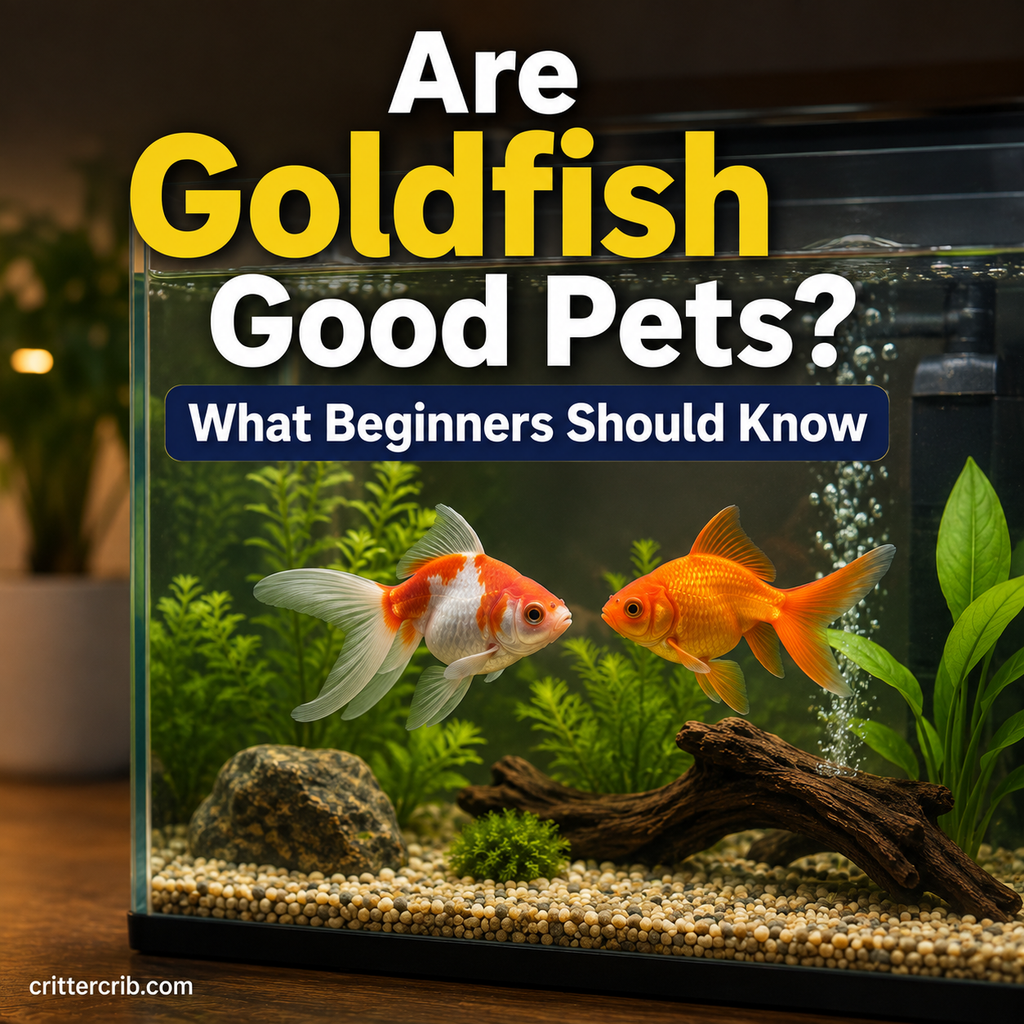
Goldfish swimming in a planted home aquarium for beginner goldfish owners
Goldfish can make rewarding pets, but beginners should be prepared for their space, filtration, water quality, and long-term care needs.

Goldfish are one of the most recognizable pet fish in the world. They’re colorful, widely available, relatively affordable to buy, and often recommended as a first pet.

But are goldfish actually good pets for beginners?

They can be. Goldfish are fascinating, active fish that can live for many years and become surprisingly interactive with their owners. However, they’re also frequently misunderstood. Despite the familiar image of a goldfish swimming around a small glass bowl, these fish need considerably more space and care than many people expect.

A properly cared-for goldfish isn’t a temporary decoration. It’s a long-term pet that needs a spacious aquarium, good filtration, regular maintenance, and consistently healthy water.

If you’re thinking about bringing one home, here’s what you should know before deciding whether a goldfish is the right pet for you.

Continue reading “Are Goldfish Good Pets? What Beginners Should Know”

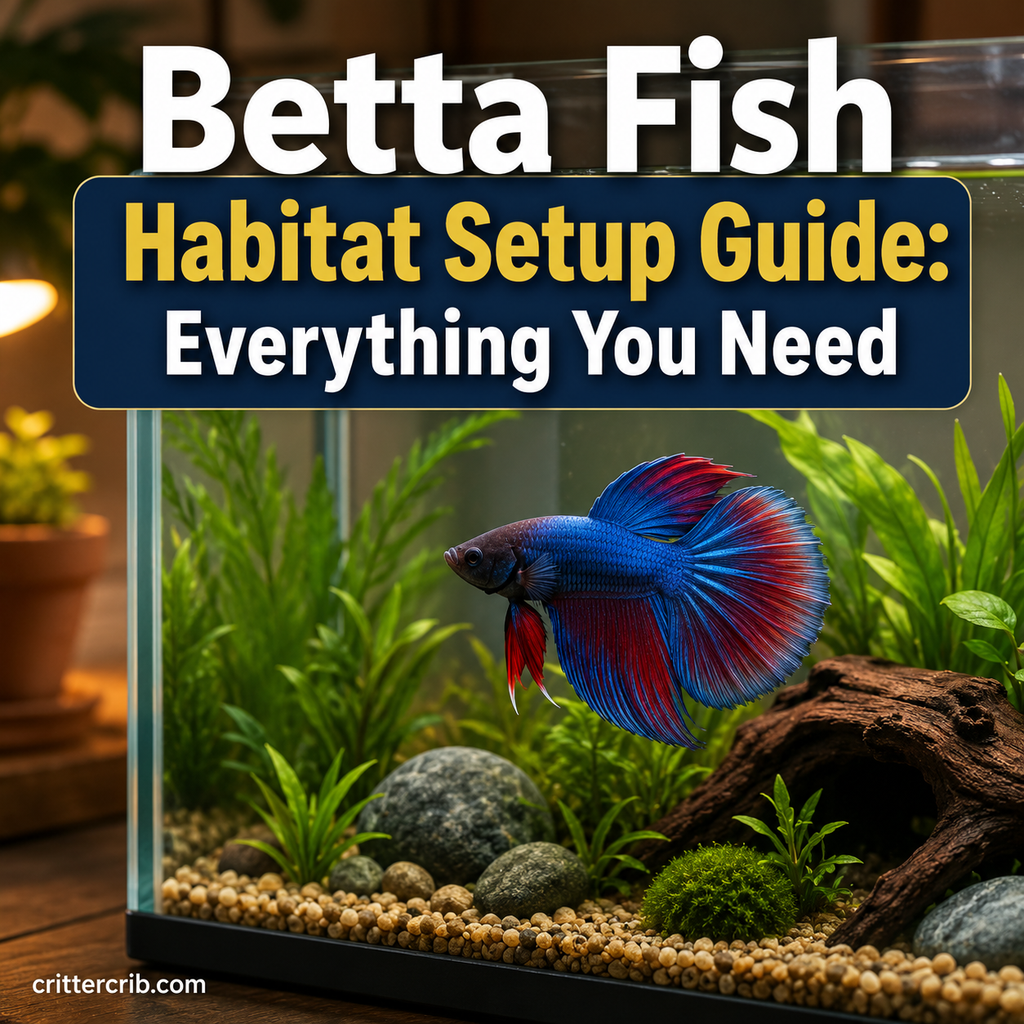
Betta Fish Habitat Setup Guide: Everything You Need

Betta fish swimming in a planted aquarium habitat with rocks and driftwood
A properly designed betta fish habitat provides warm water, gentle filtration, plants, hiding places, and plenty of swimming space.

Betta fish are often pictured living in tiny bowls or decorative containers, but a healthy betta habitat requires more thought than simply adding water and dropping in a fish.

A properly set up aquarium gives your betta room to swim, stable water conditions, warm temperatures, places to explore, and somewhere comfortable to rest. It also makes routine care much easier for you.

Fortunately, creating a good betta fish habitat doesn’t have to be complicated or expensive. Once you understand the basics—tank size, filtration, heating, water quality, lighting, substrate, and decorations—you can build an aquarium that looks great while meeting your fish’s needs.

This guide walks through everything you need to set up a comfortable betta fish habitat from the ground up.

Continue reading “Betta Fish Habitat Setup Guide: Everything You Need”

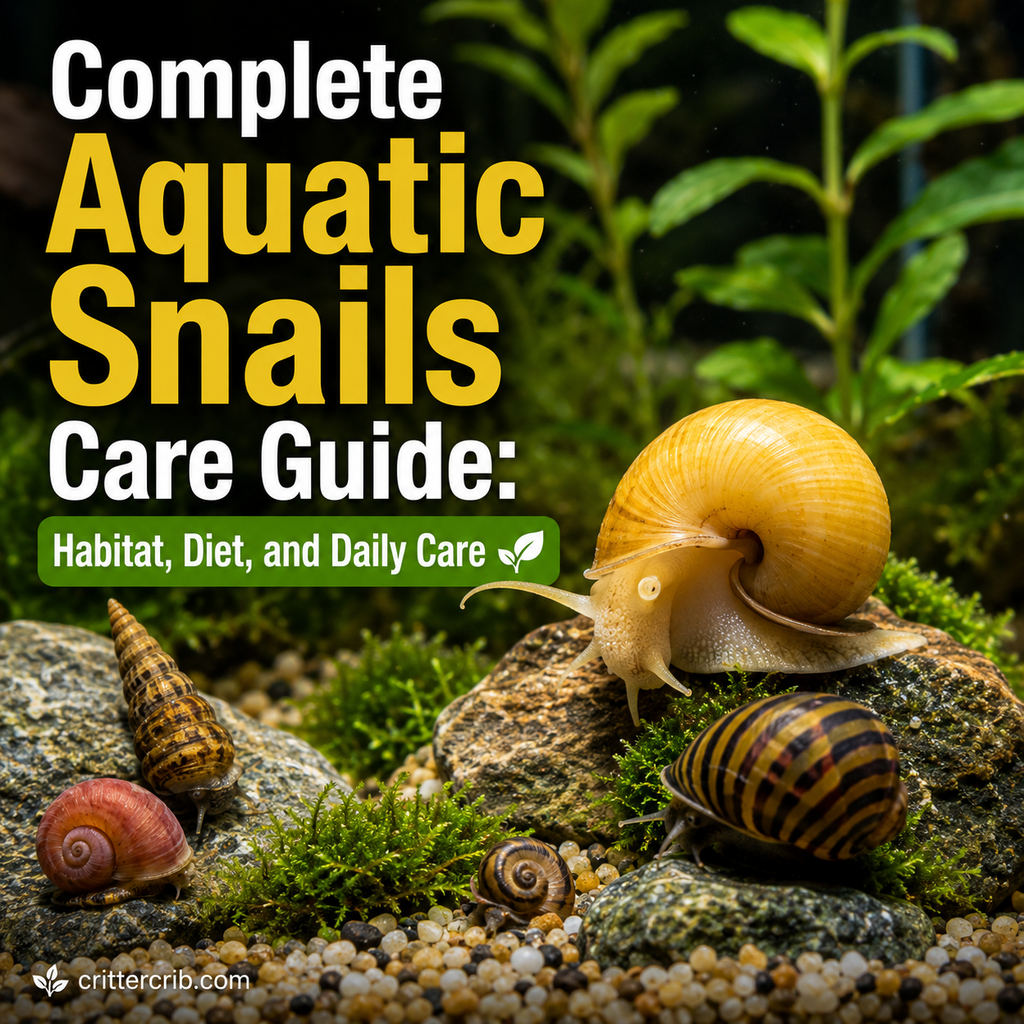
Complete Aquatic Snails Care Guide: Habitat, Diet, and Daily Care

Aquatic snails exploring a planted freshwater aquarium for a complete snail care guide
Healthy aquatic snails need stable water conditions, appropriate food, adequate minerals for shell growth, and a well-maintained freshwater habitat.

Aquatic snails are easy to overlook when you’re planning a freshwater aquarium. They’re small, quiet, and often sold as cleanup animals rather than pets in their own right.

Spend some time watching them, though, and you’ll quickly see there’s more going on.

Aquatic snails climb the glass, graze across plants and decorations, search the substrate for food, and explore nearly every accessible part of an aquarium. Some species have striking shells and colors, while others are valued for their ability to consume algae and leftover food.

They’re also relatively straightforward to care for once you understand what they actually need.

The biggest misconception is that snails can simply be dropped into any aquarium and survive on whatever waste they find. Like fish and shrimp, aquatic snails need appropriate water conditions, enough food, suitable minerals for shell development, and regular aquarium maintenance.

This complete aquatic snails care guide covers the essentials, from choosing a species and setting up the habitat to feeding, water quality, shell care, tank mates, breeding, and daily maintenance.

Continue reading “Complete Aquatic Snails Care Guide: Habitat, Diet, and Daily Care”

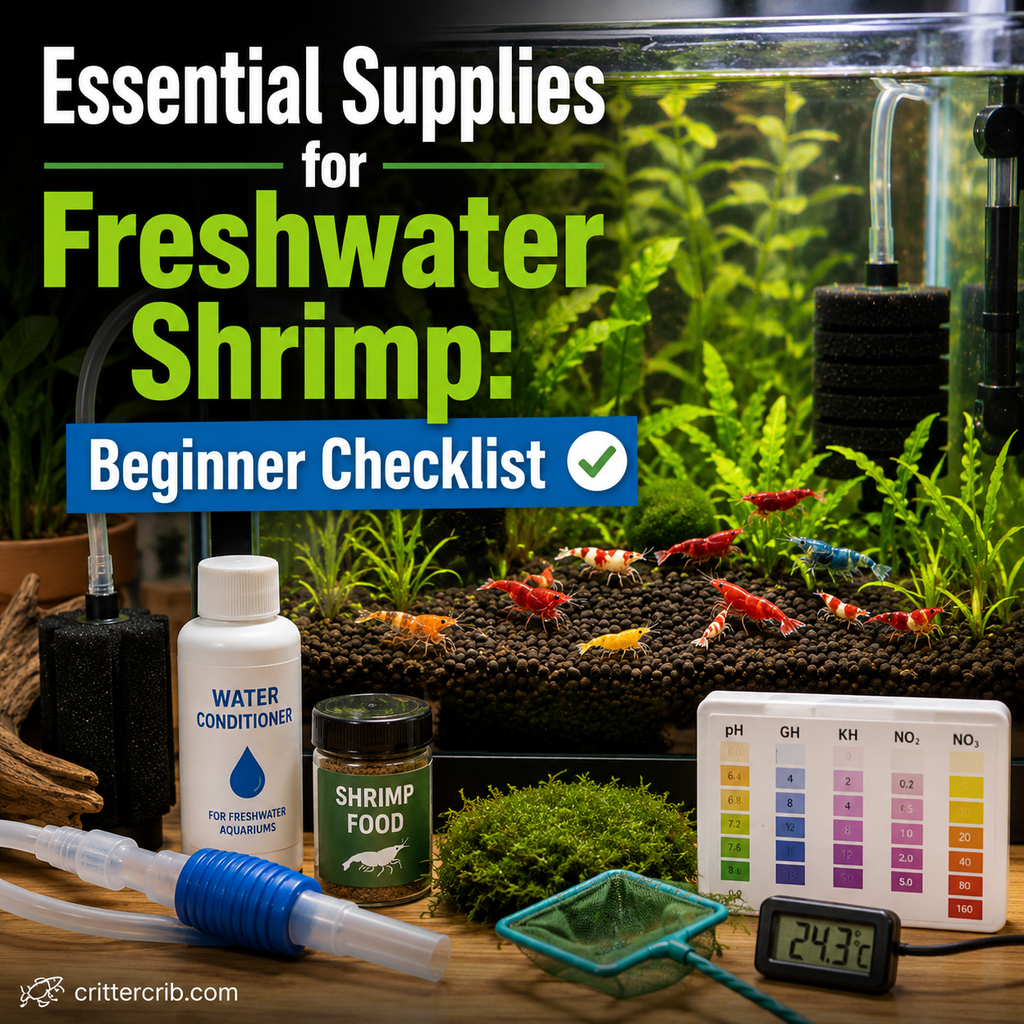
Essential Supplies for Freshwater Shrimp: Beginner Checklist

Freshwater shrimp tank setup with essential supplies including filter, plants, substrate, shrimp food, water conditioner, and test kit
A beginner freshwater shrimp setup starts with the right tank, gentle filtration, plants, water-testing supplies, appropriate food, and basic maintenance equipment.

Freshwater shrimp don’t need an aquarium packed with expensive equipment, but they do need the right basics.

For beginners, the biggest challenge is often figuring out which supplies are genuinely important. Aquarium stores offer everything from specialized shrimp foods and mineral additives to elaborate filters, feeding dishes, breeding accessories, and water treatments. Some are useful. Others aren’t necessary for your first shrimp tank.

The essentials are much simpler: a properly sized aquarium, gentle filtration, stable temperature, conditioned water, a mature biological environment, appropriate food, plants or other cover, and reliable water-testing supplies.

Get those things right and you’ve already handled most of the important work.

This beginner checklist covers the essential supplies for freshwater shrimp, what each item does, and which extras you can consider once your aquarium is established.

Continue reading “Essential Supplies for Freshwater Shrimp: Beginner Checklist”

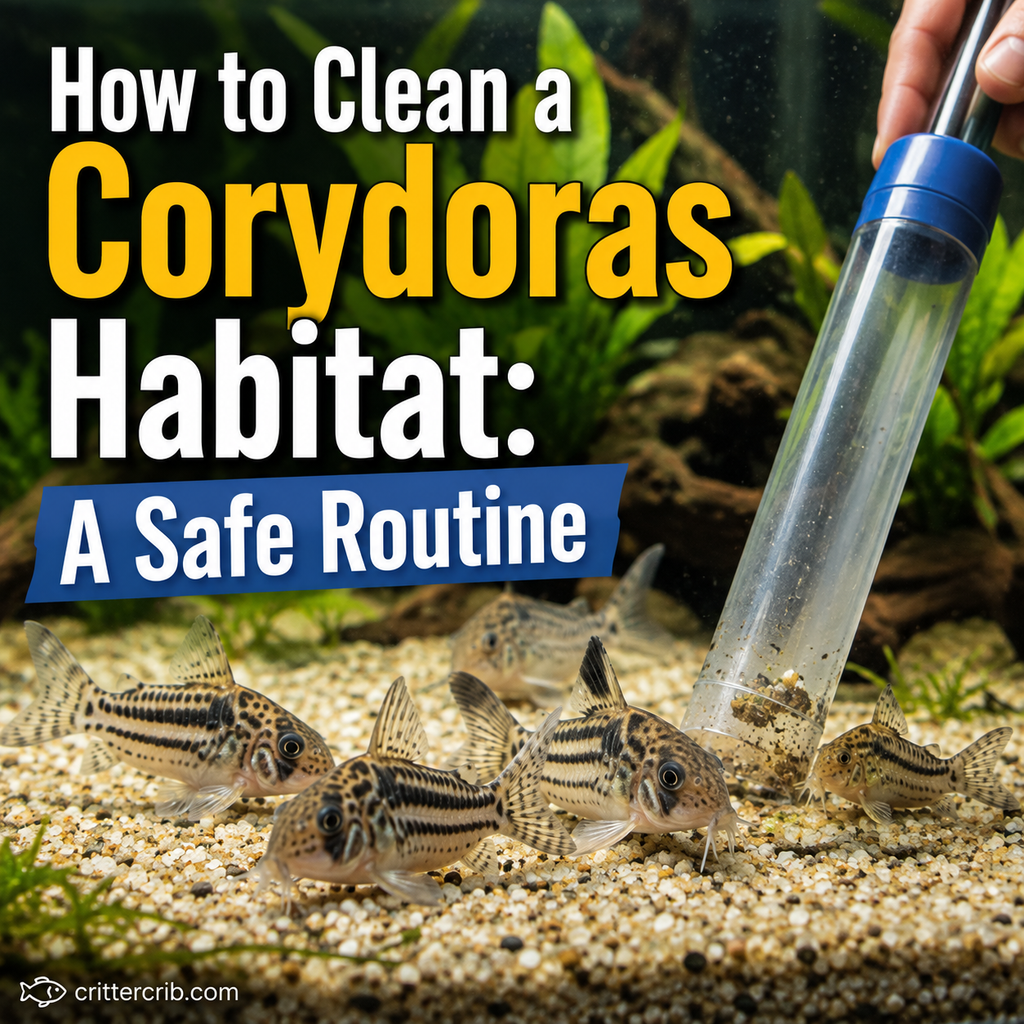
How to Clean a Corydoras Habitat: A Safe Routine

Corydoras catfish in an aquarium while the substrate is safely cleaned with an aquarium siphon
Regular partial water changes and gentle substrate cleaning help maintain a healthy Corydoras habitat without disrupting the aquarium’s biological balance.

Corydoras catfish spend much of their time close to the bottom of the aquarium, searching through the substrate for bits of food. That makes keeping their environment clean especially important.

The good news is that cleaning a Corydoras habitat doesn’t mean tearing the aquarium apart every week.

In fact, aggressive cleaning can do more harm than good. A healthy aquarium depends on beneficial bacteria living throughout the system, especially in the filter media and substrate. Completely replacing the water, scrubbing everything spotless, or changing all the filter media at once can disrupt that biological balance.

A better approach is regular, gentle maintenance.

For many established Corydoras aquariums, that means performing partial water changes, removing accumulated waste from the substrate, maintaining the filter when needed, and regularly checking water quality.

Here’s how to build a safe cleaning routine that keeps the aquarium clean without constantly disturbing your Corydoras.

Continue reading “How to Clean a Corydoras Habitat: A Safe Routine”

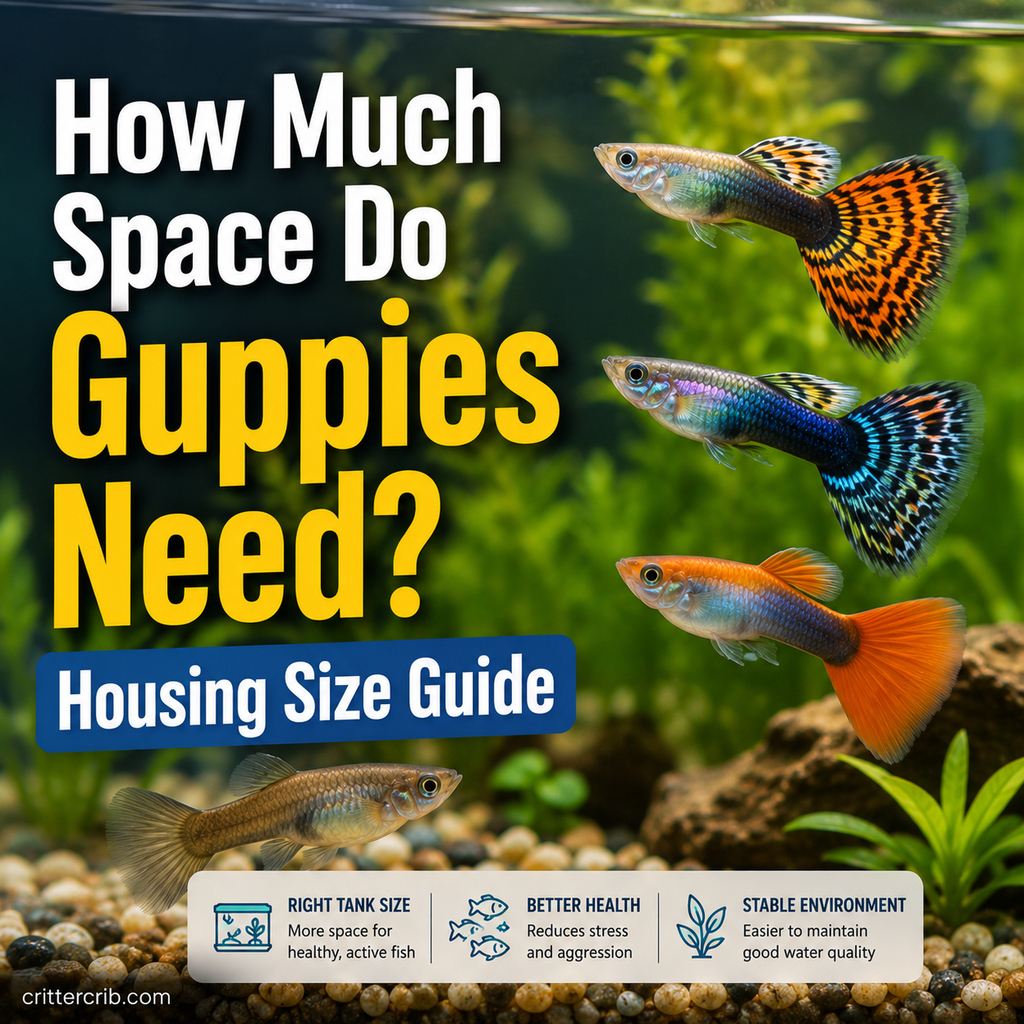
How Much Space Do Guppies Need? Housing Size Guide

Colorful guppies swimming in a planted aquarium for a guppy tank size and housing guide
Guppies need enough swimming space for an active group, along with proper filtration, stable water conditions, and room for plants and cover.

Guppies are small fish, so it’s easy to assume they don’t need much room. Walk through a pet store and you may even see a large number of them sharing a relatively small display tank.

At home, though, giving guppies enough space matters.

A properly sized aquarium gives them room to swim, makes it easier to maintain stable water conditions, and reduces problems caused by crowding. Tank size becomes even more important when you consider how quickly guppies can reproduce.

So, how much space do guppies actually need?

For a small group of guppies, a 10-gallon aquarium is generally a practical starting point. A larger tank, such as a 20-gallon aquarium, gives you considerably more flexibility and can be easier to manage as the group grows.

But tank size alone doesn’t tell the whole story. The number of fish, their sex, filtration, aquarium shape, plants, water quality, and whether you’re keeping males and females together all affect how much space you’ll really need.

This guide explains how to choose an appropriate guppy tank size and avoid some of the most common stocking mistakes.

Continue reading “How Much Space Do Guppies Need? Housing Size Guide”

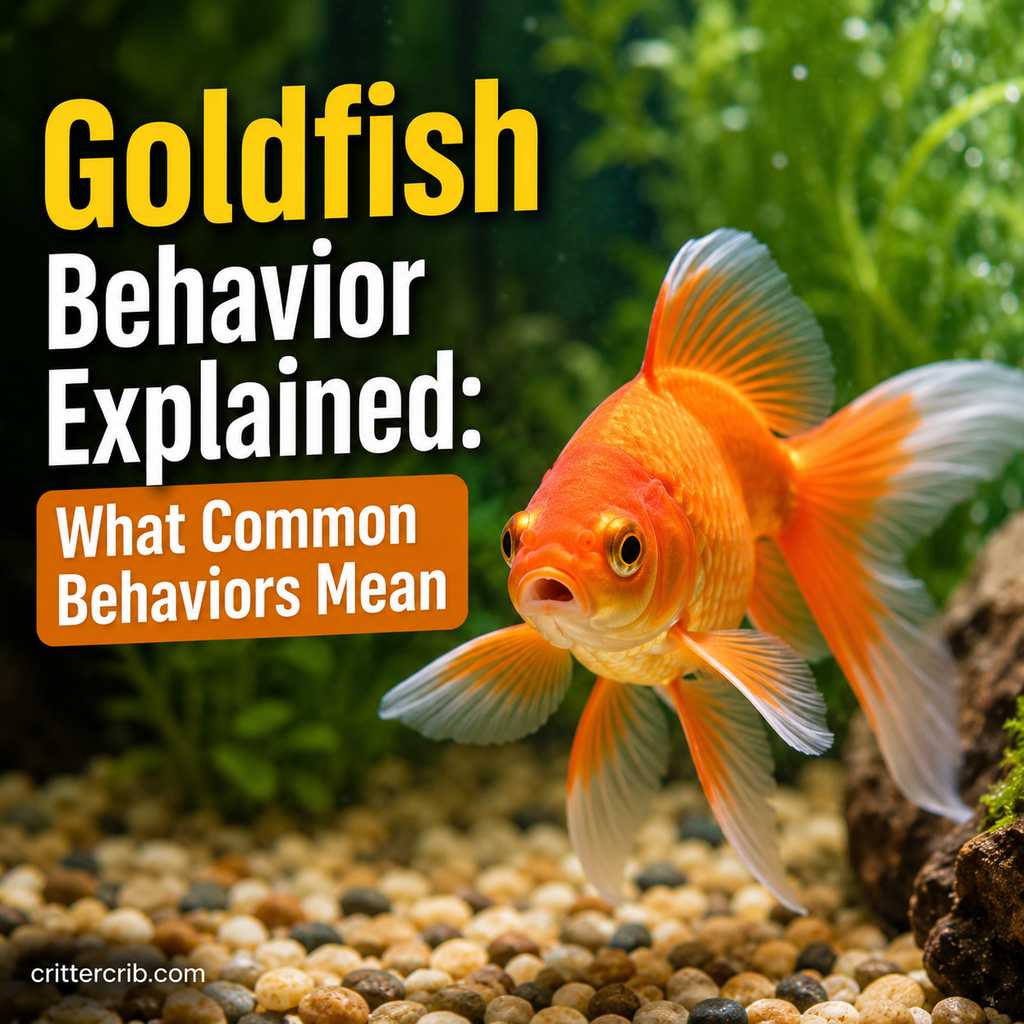
Goldfish Behavior Explained: What Common Behaviors Mean

Goldfish swimming in an aquarium for a guide explaining common goldfish behaviors and what they mean
Goldfish behavior can offer clues about feeding, social interaction, stress, water quality, and overall health.

Goldfish may not bark, meow, or follow you around the house, but they communicate quite a bit through their behavior. Once you know what to look for, the way a goldfish swims, eats, rests, and interacts with its surroundings can tell you a lot about how it’s doing.

Some behaviors that look strange to a new goldfish owner are completely normal. A fish resting near the bottom isn’t necessarily sick, and a goldfish swimming excitedly toward the glass may simply have learned that you’re the person who brings food.

Other changes deserve more attention. Gasping at the surface, repeatedly rubbing against objects, losing balance, or suddenly becoming unusually inactive can sometimes point to water-quality problems, stress, or illness.

Understanding the difference starts with learning what’s normal for your particular fish.

This guide explains common goldfish behaviors, what they can mean, and when a change in behavior may be a sign that something needs attention.

Continue reading “Goldfish Behavior Explained: What Common Behaviors Mean”

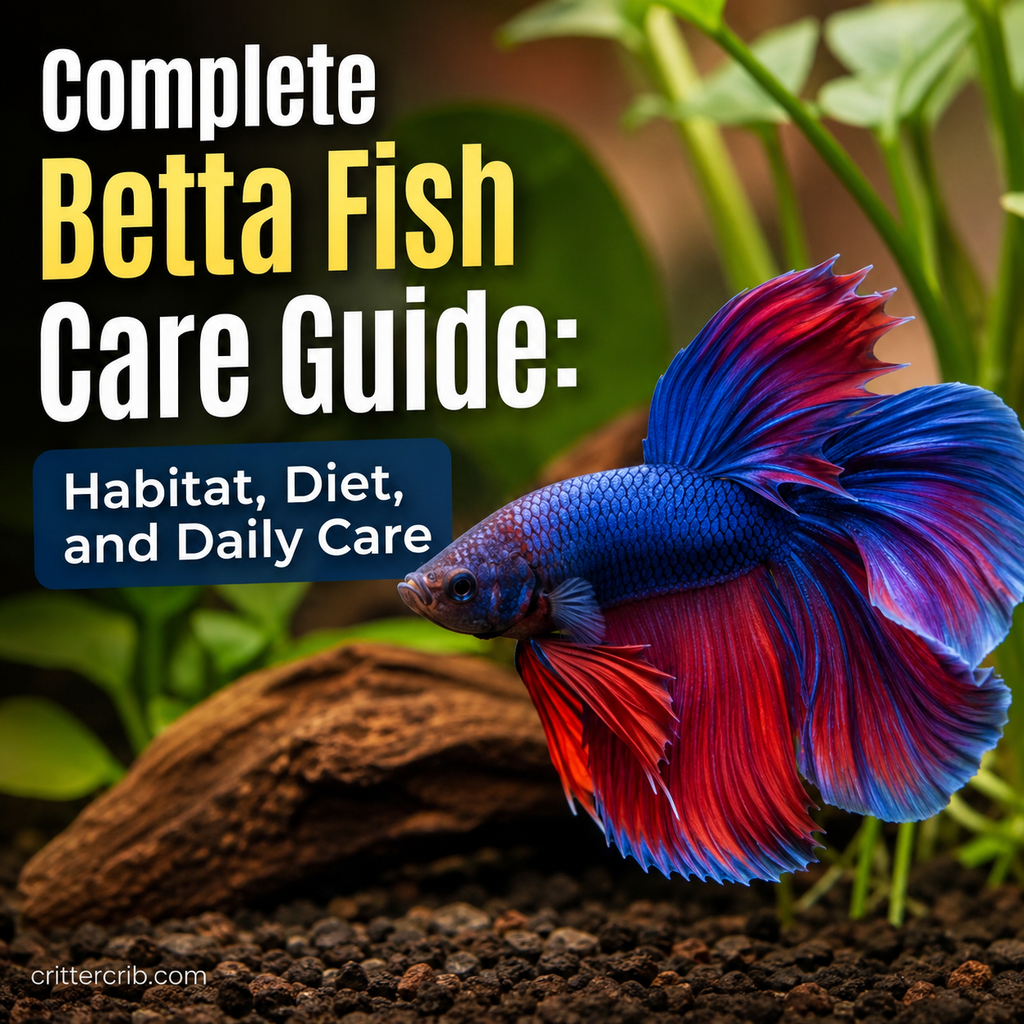
Complete Betta Fish Care Guide: Habitat, Diet, and Daily Care

Colorful betta fish in a planted aquarium for a complete betta fish care guide
A healthy betta fish needs a warm, properly sized aquarium, good water quality, a nutritious diet, and consistent care.

Betta fish are colorful, curious, and surprisingly interactive pets. They’re also often marketed as fish that can live happily in tiny bowls with very little care. That reputation has led to a lot of confusion about what bettas actually need.

While bettas are relatively beginner-friendly, they still require a properly sized aquarium, warm and clean water, a nutritious diet, and regular maintenance. Give them the right environment and they can become active little pets that recognize feeding routines, explore their surroundings, and show plenty of personality.

This complete betta fish care guide covers the essentials, including tank size, water temperature, filtration, feeding, aquarium setup, cleaning, common health concerns, and daily care.

Continue reading “Complete Betta Fish Care Guide: Habitat, Diet, and Daily Care”