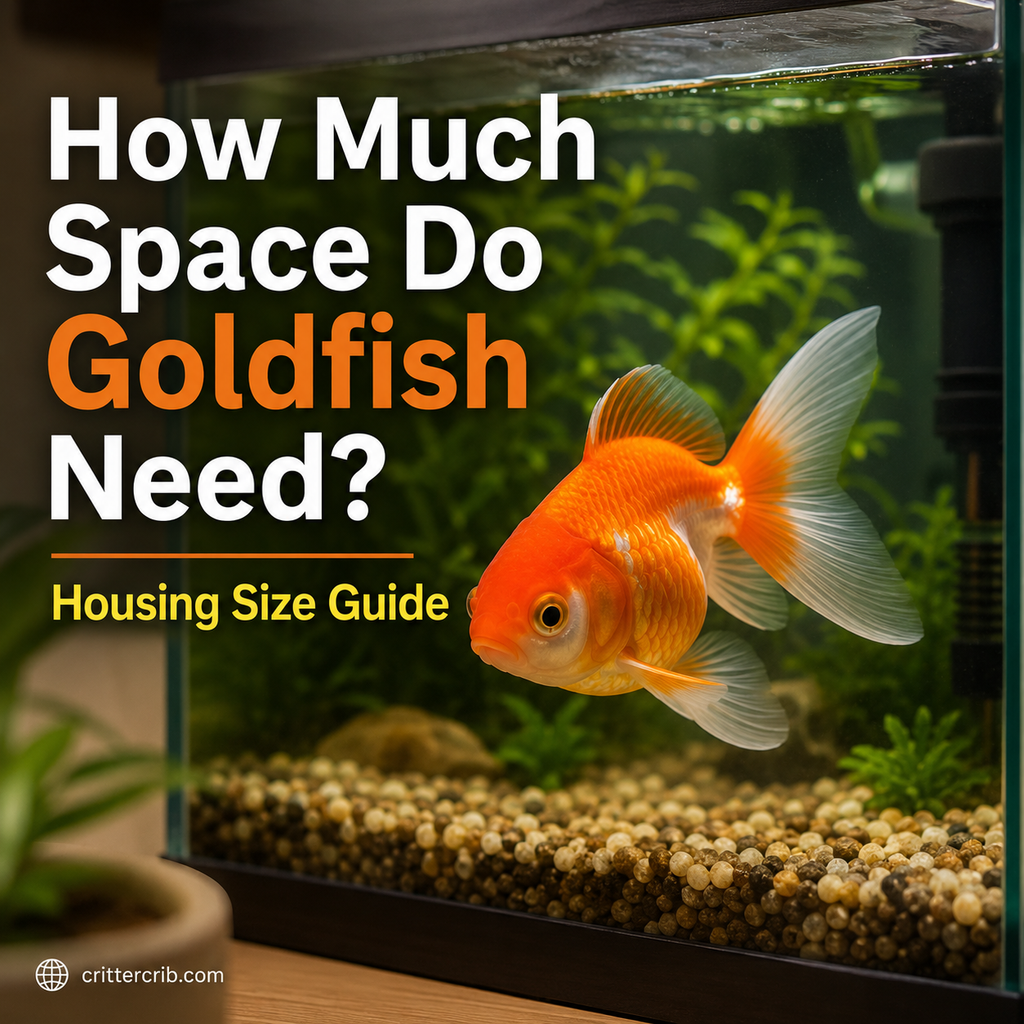
How Much Space Do Goldfish Need? Housing Size Guide

Goldfish swimming in a spacious aquarium for a guide about how much space goldfish need
Goldfish need more swimming space than many new owners expect, with housing requirements depending on the type, size, and number of fish.

Goldfish have a reputation for being easy pets that can live in small bowls. Walk through almost any pet store, and you’ll probably still see tiny containers marketed with goldfish in mind.

The reality is very different.

Goldfish can grow surprisingly large, produce a lot of waste, and live for many years when properly cared for. Giving them enough room isn’t simply about providing space to swim. Aquarium size affects water quality, oxygen availability, filtration, maintenance, and ultimately how practical it is to keep your fish healthy.

So, how much space does a goldfish actually need?

There isn’t one perfect tank size for every goldfish. The answer depends heavily on whether you’re keeping fancy goldfish or larger, faster-swimming varieties such as common and comet goldfish.

This guide explains how much space goldfish need, why aquarium size matters, and how to choose housing that works for your fish over the long term.

Continue reading “How Much Space Do Goldfish Need? Housing Size Guide”
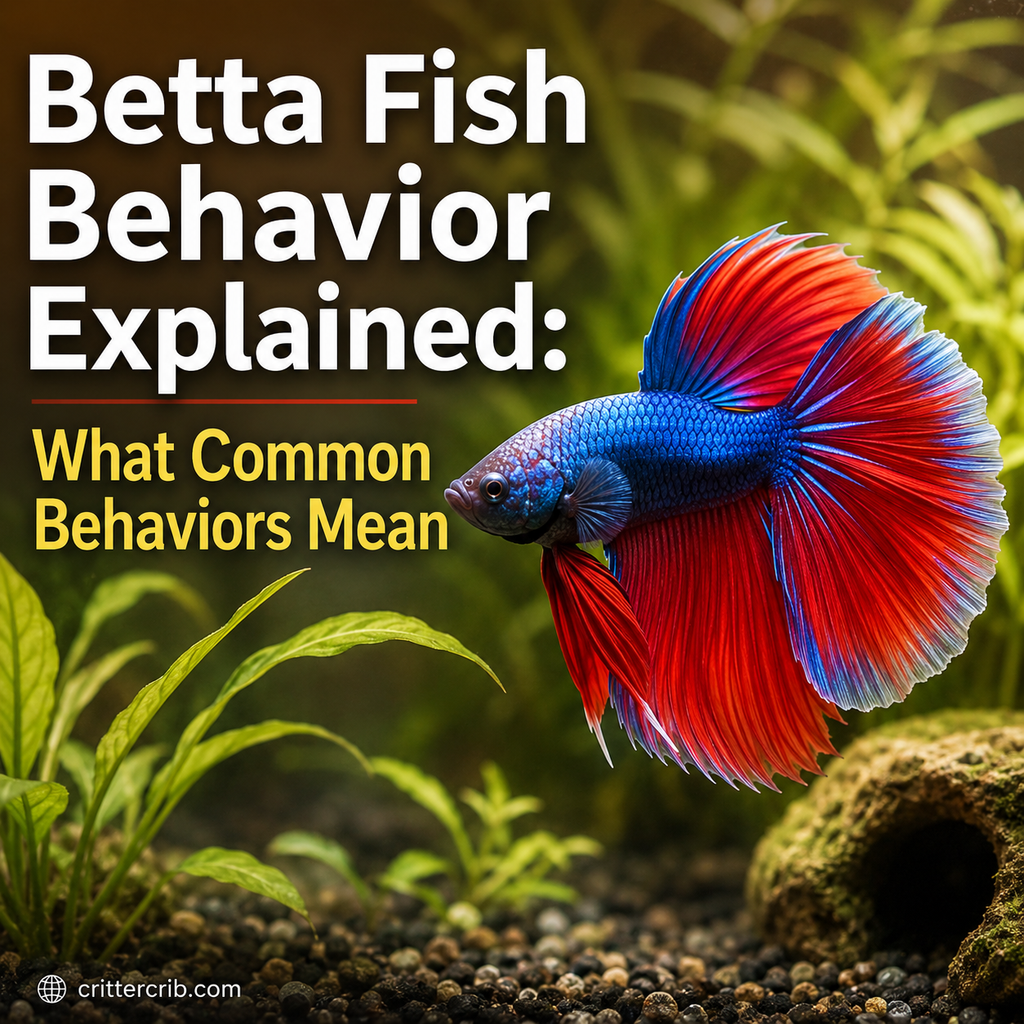
Betta Fish Behavior Explained: What Common Behaviors Mean

Betta fish swimming in a planted aquarium for a guide explaining common betta fish behaviors
Understanding common betta fish behaviors can help you recognize normal activity, territorial displays, stress, resting, and potential health concerns.

Betta fish may be small, but they have surprisingly expressive personalities. Spend enough time watching one and you’ll probably notice your betta flaring at its reflection, swimming excitedly when you approach, resting on a leaf, building bubbles at the surface, or suddenly darting across the aquarium.

Some of these behaviors are completely normal. Others can be signs that something in the tank isn’t quite right.

Learning how to read your betta’s behavior can help you understand when your fish is comfortable, stressed, hungry, territorial, resting, or potentially sick. It can also make keeping a betta more interesting because you begin to recognize individual habits and personality traits.

This guide explains common betta fish behaviors, what they usually mean, and when a change in behavior deserves closer attention.

Continue reading “Betta Fish Behavior Explained: What Common Behaviors Mean”

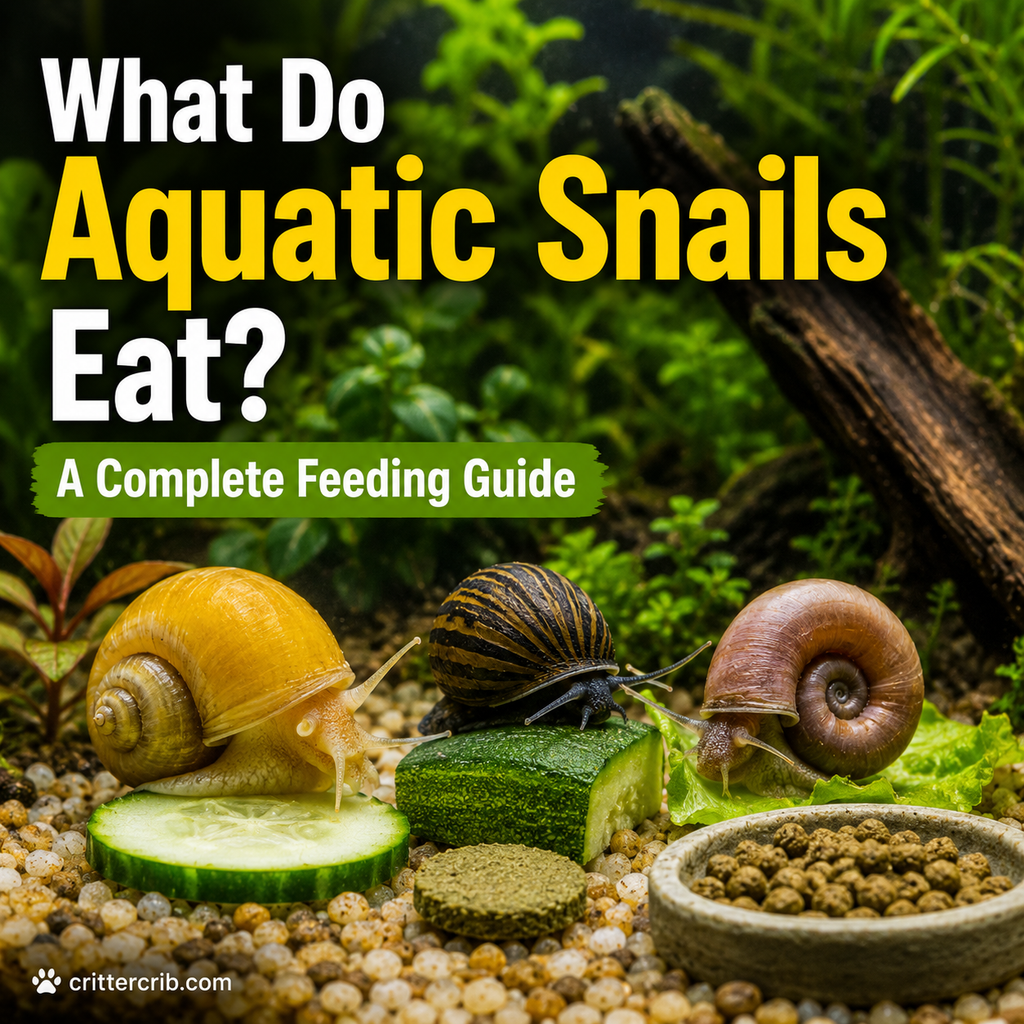
What Do Aquatic Snails Eat? A Complete Feeding Guide

Aquatic snails feeding on zucchini, cucumber, algae wafers, and pellets in a planted aquarium
Aquatic snails can eat algae, biofilm, prepared foods, and suitable vegetables such as zucchini as part of a varied diet.

Aquatic snails have a reputation for eating whatever they find in the aquarium. Watch one slowly work its way across the glass and it certainly looks that way. Snails spend hours grazing on algae, biofilm, leftover food, and other material growing on surfaces.

But that doesn’t mean every aquarium snail can survive on leftovers alone.

What aquatic snails eat depends partly on the species. Mystery snails, nerite snails, ramshorn snails, Malaysian trumpet snails, and other freshwater snails don’t all feed in exactly the same way. The amount of natural food available in the aquarium matters too.

A mature planted tank covered with biofilm may provide plenty to graze on, while a spotless new aquarium can leave a snail with surprisingly little to eat.

The best approach is to understand what your particular snails naturally consume and supplement their diet when necessary.

Continue reading “What Do Aquatic Snails Eat? A Complete Feeding Guide”

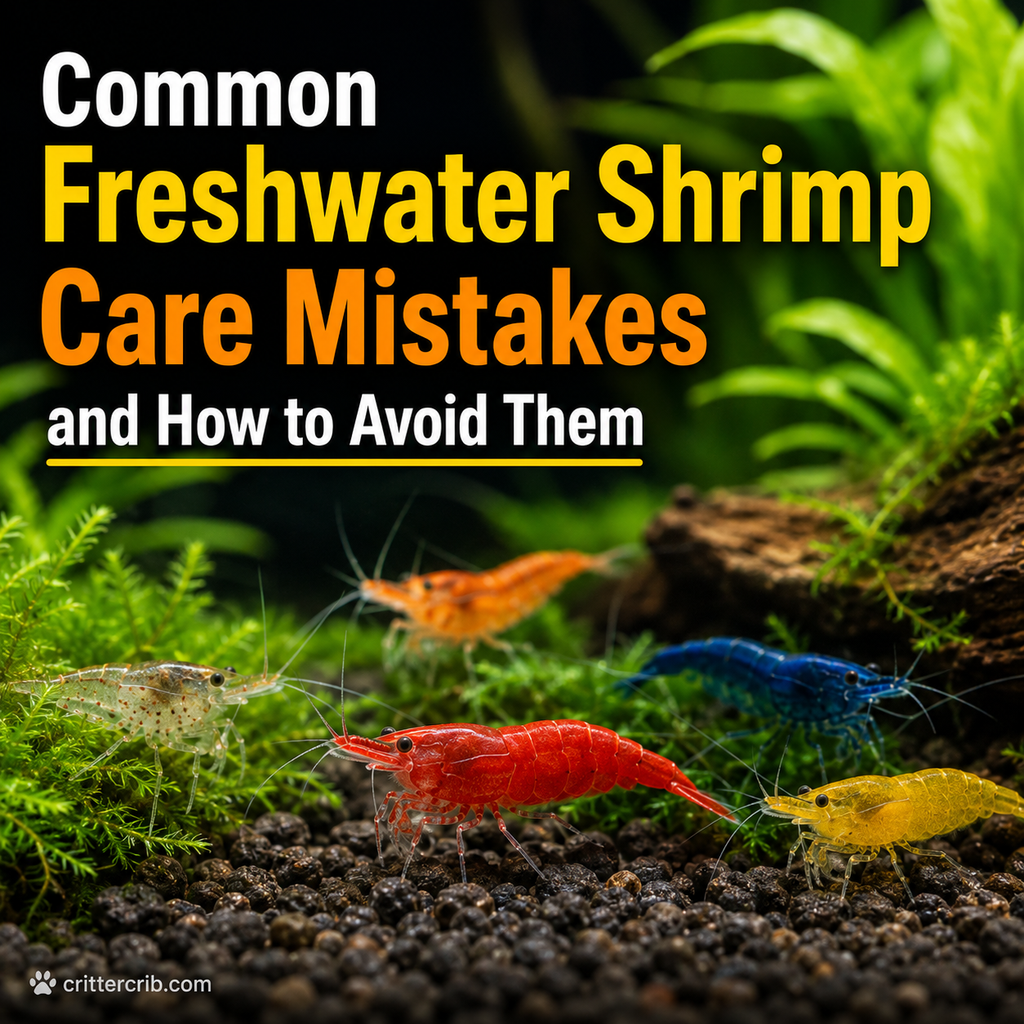
Common Freshwater Shrimp Care Mistakes and How to Avoid Them

Colorful freshwater shrimp in a planted aquarium illustrating common shrimp care mistakes
Stable water parameters, proper feeding, careful acclimation, and a mature aquarium can help prevent many common freshwater shrimp care problems.

Freshwater shrimp can look like incredibly easy aquarium pets. They’re tiny, don’t need huge amounts of food, and spend much of the day quietly grazing around the tank.

Then a new shrimp keeper wakes up one morning and finds a shrimp dead for seemingly no reason.

Unfortunately, shrimp can be less forgiving of sudden environmental changes than many common aquarium fish. A tank that seems perfectly fine at first glance may still have problems with ammonia, unstable water parameters, inappropriate minerals, overfeeding, or contaminants.

The good news is that many freshwater shrimp care mistakes are preventable.

Whether you’re keeping cherry shrimp, Amano shrimp, blue dream shrimp, crystal shrimp, or another freshwater species, learning what commonly goes wrong can save you a lot of frustration—and give your shrimp a much better environment.

Continue reading “Common Freshwater Shrimp Care Mistakes and How to Avoid Them”

How Much Do Corydoras Cost? Setup and Ongoing Expenses

Group of Corydoras catfish in a planted aquarium illustrating setup and ongoing ownership costs
Corydoras are relatively affordable fish, but a proper setup also includes costs for the aquarium, filtration, substrate, food, plants, and routine care.

Corydoras catfish are often considered affordable aquarium fish, and individually, they usually are. Walk into a fish store and you may find common Corydoras species priced at only a few dollars each.

But the price of the fish is only a small part of what it costs to keep them properly.

Corydoras are social fish that generally do best in groups, which means you’re probably buying several rather than one. You’ll also need an appropriately sized aquarium, filtration, substrate, water conditioner, food, testing supplies, and other basic equipment.

So, how much do Corydoras actually cost?

A realistic initial setup can range from roughly $150 to $500 or more, depending on the aquarium size, equipment, plants, and species you choose. After that, ongoing expenses are usually fairly manageable.

Let’s break down the costs so you know what to expect before bringing home your first group of Corydoras.

Continue reading “How Much Do Corydoras Cost? Setup and Ongoing Expenses”

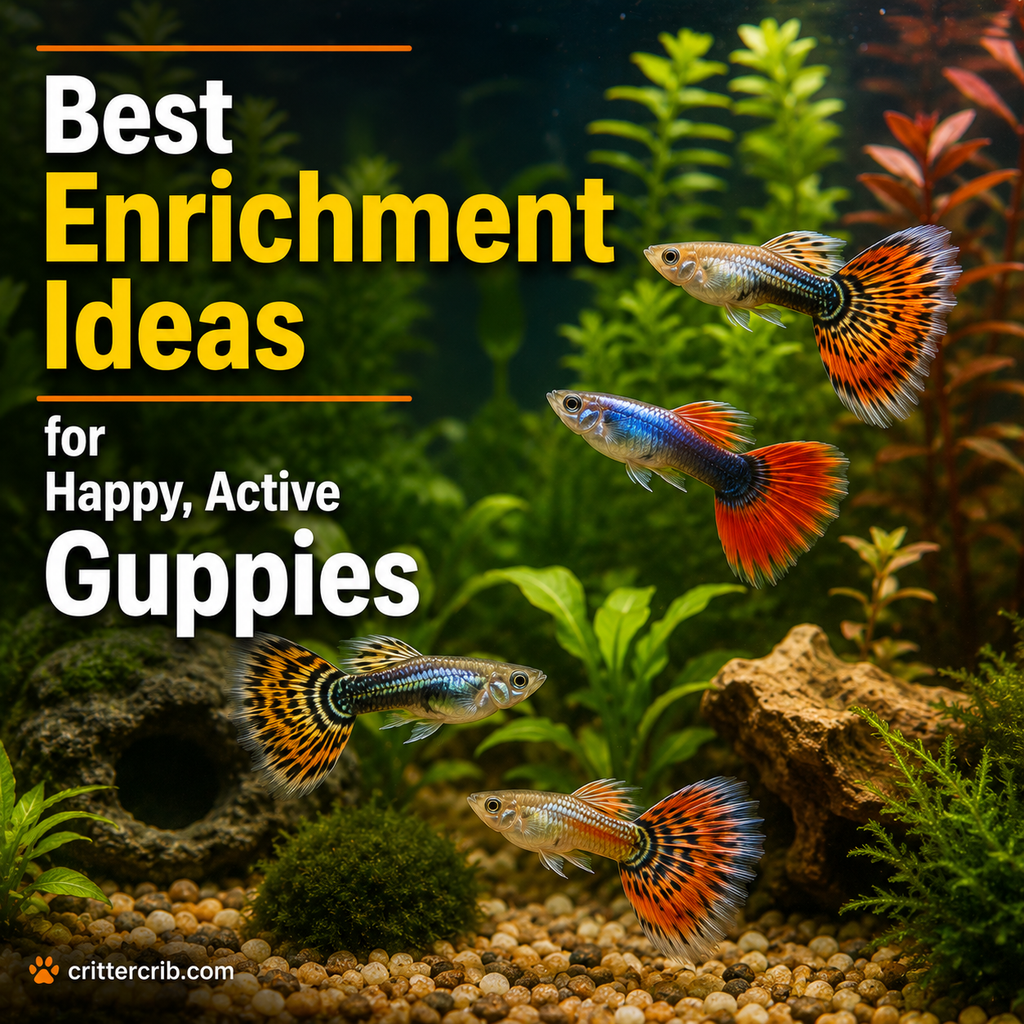
Best Enrichment Ideas for Happy, Active Guppies

Colorful guppies swimming among live plants, rocks, and hiding places in an enriched aquarium
Live plants, hiding places, open swimming areas, and natural structures can give guppies a more stimulating environment to explore.

Guppies are small fish with big personalities. Spend a little time watching a healthy group and you’ll see them exploring plants, investigating objects, interacting with other guppies, and eagerly checking out anything new in their environment.

That natural curiosity makes guppies great candidates for enrichment.

Fish enrichment doesn’t mean buying complicated toys or constantly rearranging the aquarium. In fact, some of the best enrichment comes from creating a varied, comfortable habitat that gives guppies opportunities to explore, forage, swim, hide, and interact naturally.

The key is finding the right balance. A completely bare aquarium can offer very little stimulation, but an overcrowded tank filled with decorations isn’t ideal either.

Here are some of the best enrichment ideas for guppies, along with tips for introducing them without compromising water quality or safety.

Continue reading “Best Enrichment Ideas for Happy, Active Guppies”

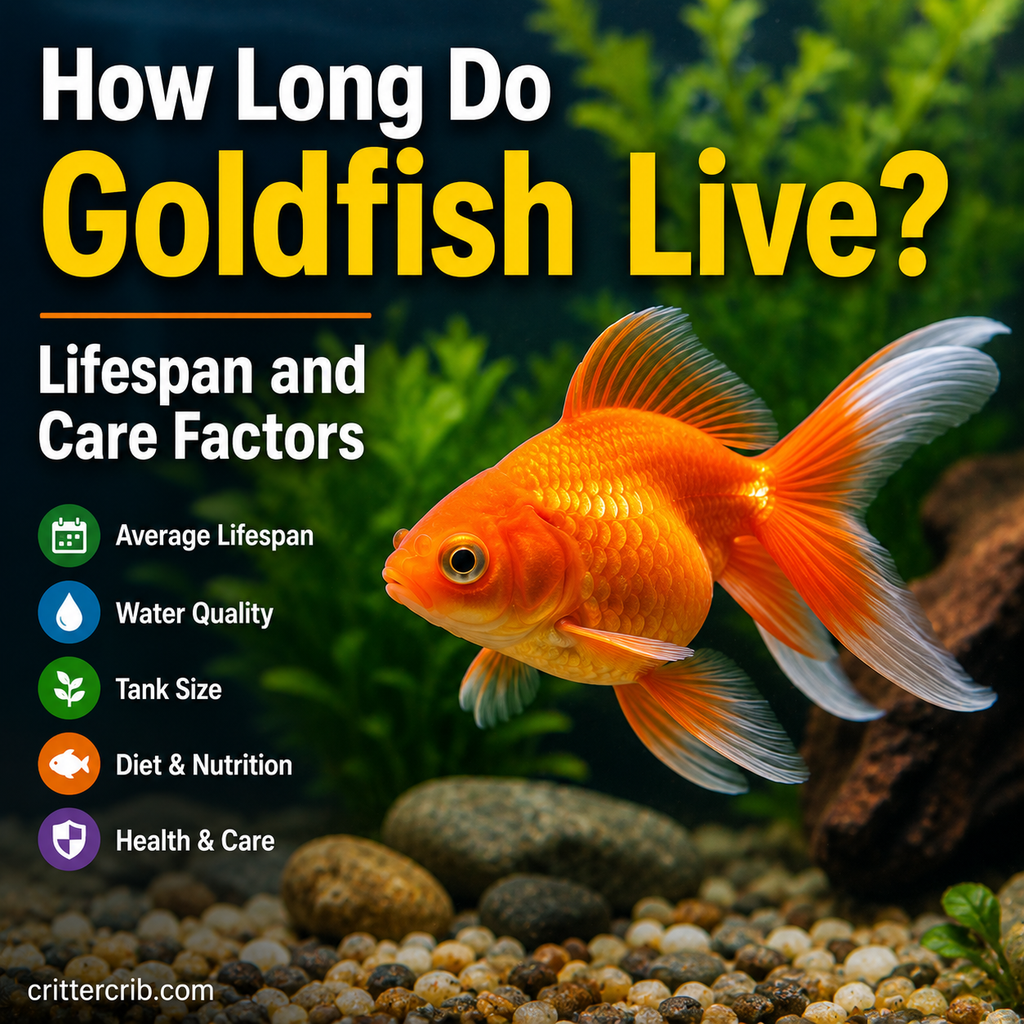
How Long Do Goldfish Live? Lifespan and Care Factors

Goldfish swimming in a planted aquarium illustrating goldfish lifespan and care factors
Goldfish can live for 10 to 15 years or longer when provided with proper space, clean water, good nutrition, and consistent care.

Goldfish have a reputation for being short-lived pets. Many people remember having one as a child that survived for a few months or perhaps a couple of years.

But that’s not a normal limit for a healthy goldfish.

With proper care, goldfish can live for many years, and some reach well into their teens or beyond. Their potential lifespan is one of the biggest reasons goldfish shouldn’t be treated as temporary pets or kept indefinitely in tiny bowls.

How long a particular goldfish lives depends on several factors, including genetics, variety, aquarium size, water quality, diet, temperature, and overall care.

If you’re considering a goldfish—or already have one—understanding these factors can help give your fish the best chance at a long, healthy life.

Continue reading “How Long Do Goldfish Live? Lifespan and Care Factors”

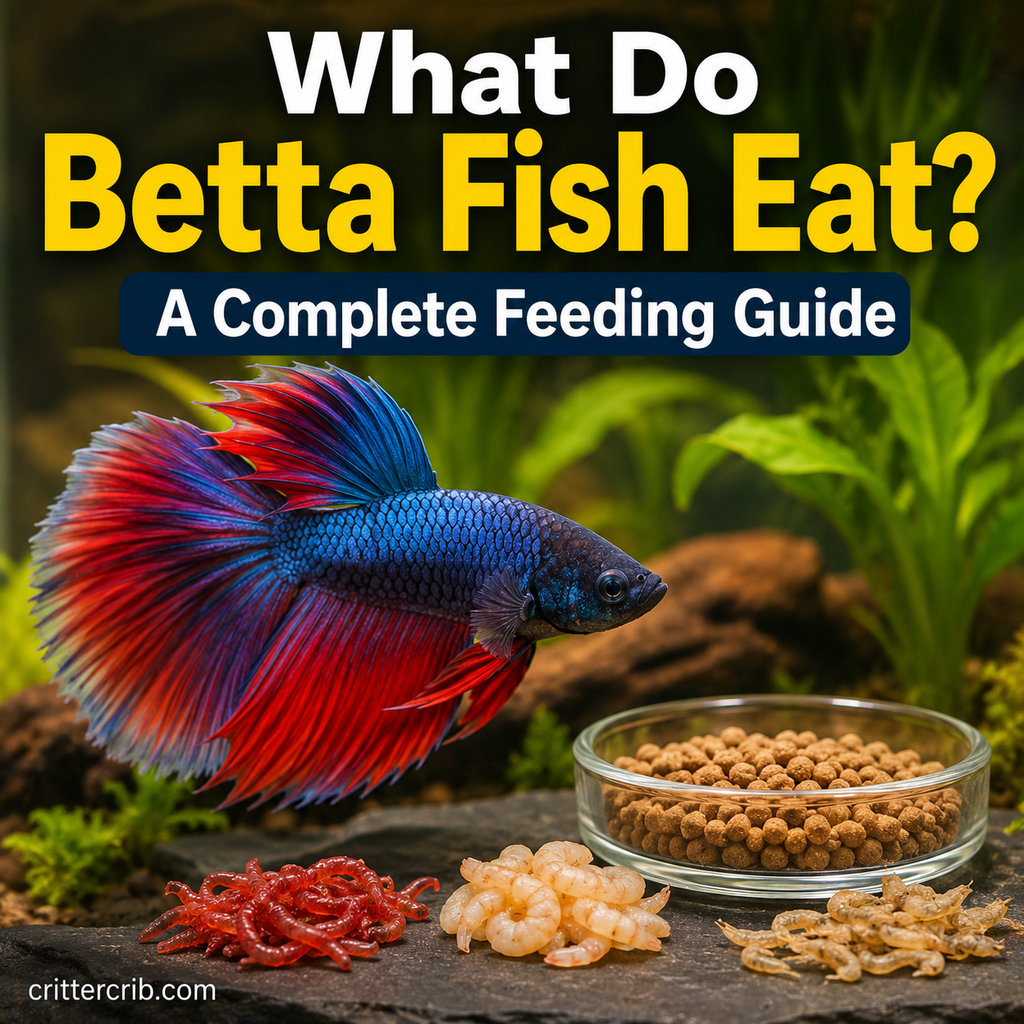
What Do Betta Fish Eat? A Complete Feeding Guide

Betta fish with pellets and other foods for a betta fish feeding guide
A healthy betta diet includes quality pellets along with protein-rich foods like bloodworms, brine shrimp, and daphnia.

Betta fish may be small, but they have surprisingly specific dietary needs. Feeding a betta isn’t simply a matter of sprinkling any fish flakes into the tank once or twice a day. The type of food, portion size, feeding frequency, and even the way you store the food can affect your betta’s health.

In the wild, bettas eat a protein-rich diet made up largely of insects, insect larvae, and other tiny aquatic animals. Pet bettas need a similar nutritional balance, although you don’t have to keep a supply of live mosquitoes around the house to provide it.

A quality betta pellet can form the foundation of a healthy diet, with frozen or live foods added for variety. The bigger challenge for many owners is actually avoiding overfeeding.

This guide covers what betta fish eat, how much to feed them, which foods make good treats, and which foods are better left out of the aquarium.

Continue reading “What Do Betta Fish Eat? A Complete Feeding Guide”

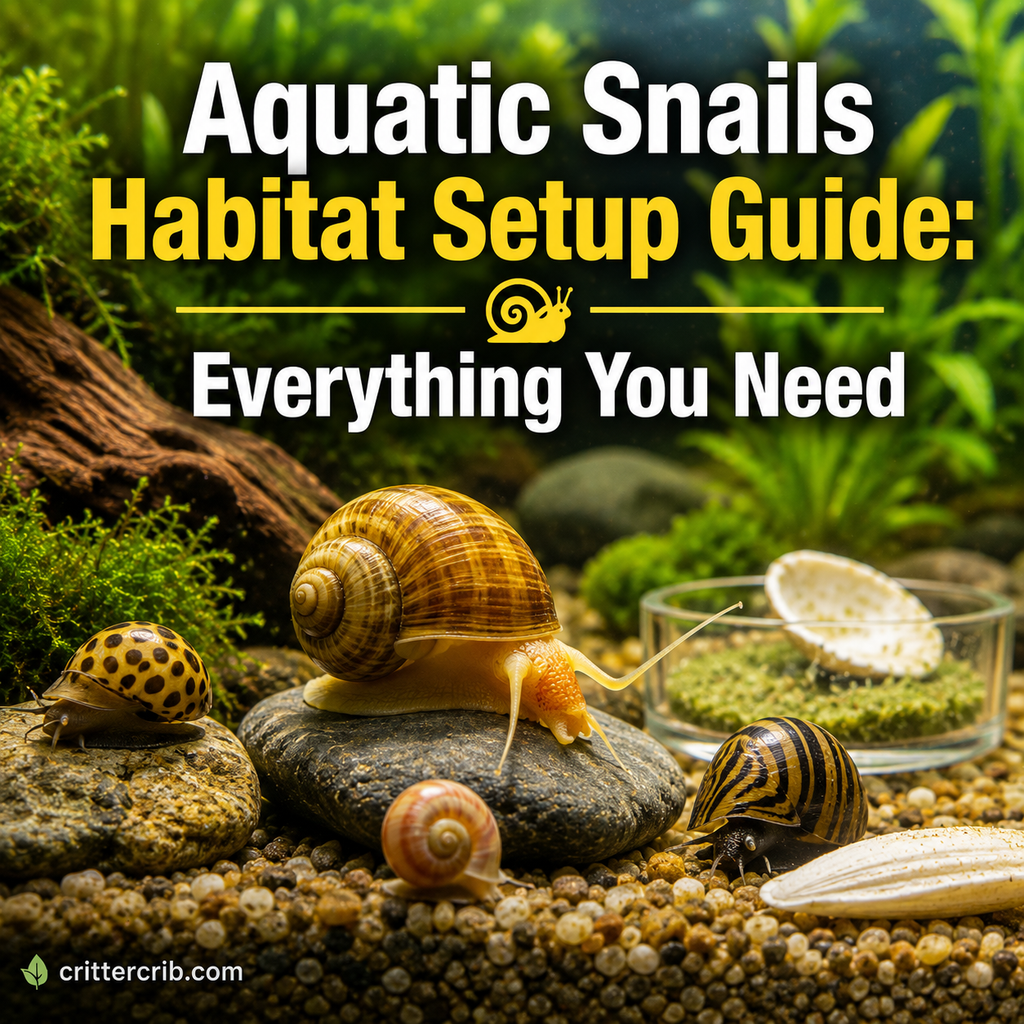
Aquatic Snails Habitat Setup Guide: Everything You Need

Aquatic snails in a planted freshwater aquarium with rocks, driftwood, and natural grazing surfaces
A healthy aquatic snail habitat provides stable water conditions, appropriate minerals, filtration, plants, grazing surfaces, and a balanced diet.

Aquatic snails are some of the most useful—and surprisingly interesting—animals you can add to a freshwater aquarium.

They crawl across the glass, explore plants and driftwood, graze on algae and biofilm, and spend hours searching the tank for food. Some species are colorful enough to become centerpiece animals in their own right.

They’re also commonly misunderstood.

It’s easy to assume an aquatic snail can simply be dropped into any fish tank and left to survive on algae. In reality, snails need stable water conditions, appropriate food, minerals for shell development, safe tank mates, and a habitat suited to their particular species.

The good news is that setting up a healthy aquatic snail habitat isn’t especially complicated.

Once you understand the basics, many popular freshwater snails are relatively straightforward to care for.

Here’s everything you need to set up an aquarium where aquatic snails can thrive.

Continue reading “Aquatic Snails Habitat Setup Guide: Everything You Need”

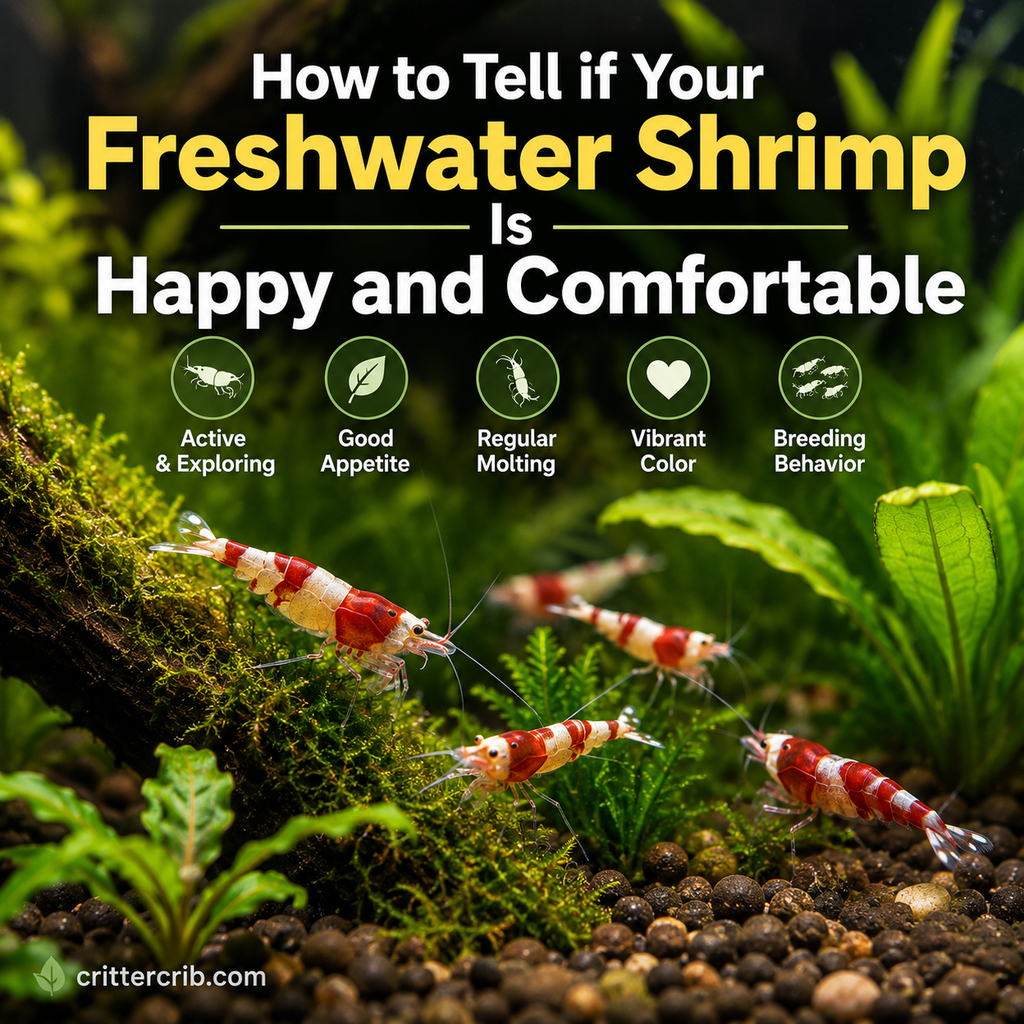
How to Tell if Your Freshwater Shrimp Is Happy and Comfortable

Freshwater shrimp grazing and exploring among moss and live plants in a healthy aquarium
Regular grazing, exploring, successful molting, a healthy appetite, and natural behavior are good signs that freshwater shrimp are comfortable in their aquarium.

Freshwater shrimp can be surprisingly entertaining aquarium residents. They spend their days picking through plants, grazing on surfaces, climbing over decorations, and investigating seemingly invisible bits of food.

But shrimp don’t exactly make it obvious when they’re happy.

There’s no wagging tail or excited greeting when you walk through the door. Instead, you have to look at their behavior, appetite, appearance, molting, and how confidently they move around the aquarium.

A comfortable freshwater shrimp generally behaves naturally, eats regularly, molts successfully, and spends time exploring rather than constantly hiding or trying to escape.

The key is learning what’s normal for your particular shrimp.

Whether you’re keeping cherry shrimp, Amano shrimp, ghost shrimp, or another freshwater species, here are the signs that can help you tell whether your shrimp are comfortable—and the warning signs that something may be wrong.

Continue reading “How to Tell if Your Freshwater Shrimp Is Happy and Comfortable”