Ideal Temperature and Humidity for Canaries

Canaries may be small, but they’re fairly adaptable birds when kept in a stable indoor environment. You don’t need to turn your home into a tropical greenhouse to keep a canary comfortable.

What matters most is consistency.

Sudden temperature swings, cold drafts, excessive heat, and extremely dry or humid conditions can all make a canary uncomfortable and potentially contribute to health problems. Cage placement matters too. A perfectly comfortable room can still contain hot windows, chilly vents, and drafty doorways.

For most healthy pet canaries, normal indoor household conditions work well. A few simple precautions—and an inexpensive thermometer and humidity gauge—can make maintaining those conditions much easier.

Here’s what you should know about the ideal temperature and humidity for canaries throughout the year.

Continue reading “Ideal Temperature and Humidity for Canaries”

Are Cockatiels Good Pets? What Beginners Should Know

Pet cockatiel perched on a natural branch beside its cage for a beginner guide to cockatiel ownership.
Cockatiels can make friendly, social companions, but beginners should understand their daily care, attention, noise, and long-term needs.

Cockatiels are often recommended as beginner birds, and there are some good reasons why. They’re relatively small, can become incredibly social with their owners, and don’t require the enormous setup associated with larger parrots.

But “beginner-friendly” doesn’t mean effortless.

Cockatiels need daily attention, a properly designed habitat, regular cleaning, enrichment, a balanced diet, and access to veterinary care. They can also be messy, surprisingly loud at times, and capable of living for many years.

If you’re considering bringing home your first bird, understanding both sides of cockatiel ownership is important.

Here’s what beginners should know before deciding whether a cockatiel is the right pet.

Continue reading “Are Cockatiels Good Pets? What Beginners Should Know”

Budgies Habitat Setup Guide: Everything You Need

Two budgies in a spacious cage with natural perches, toys, food, and water for a proper budgie habitat setup.
A well-planned budgie habitat provides plenty of space, varied perches, enrichment, and easy access to food and fresh water.

Setting up the right habitat for a budgie is about much more than buying a cage and adding a food bowl. Budgies are active, intelligent birds that spend much of their day climbing, flying, chewing, playing, eating, and interacting with their surroundings.

A well-designed habitat gives your budgie enough room to move while also providing safe places to eat, sleep, exercise, and explore. The setup should feel secure without being cramped, and interesting without becoming cluttered.

Fortunately, you don’t need an elaborate bird room or an enormous collection of accessories to get started. A spacious cage, thoughtfully arranged perches, a few good toys, proper food and water stations, and a safe location in your home can provide an excellent foundation.

This guide covers everything you need to know about setting up a comfortable, practical habitat for a pet budgie.

Continue reading “Budgies Habitat Setup Guide: Everything You Need”

Complete Parrotlet Care Guide: Habitat, Diet, and Daily Care

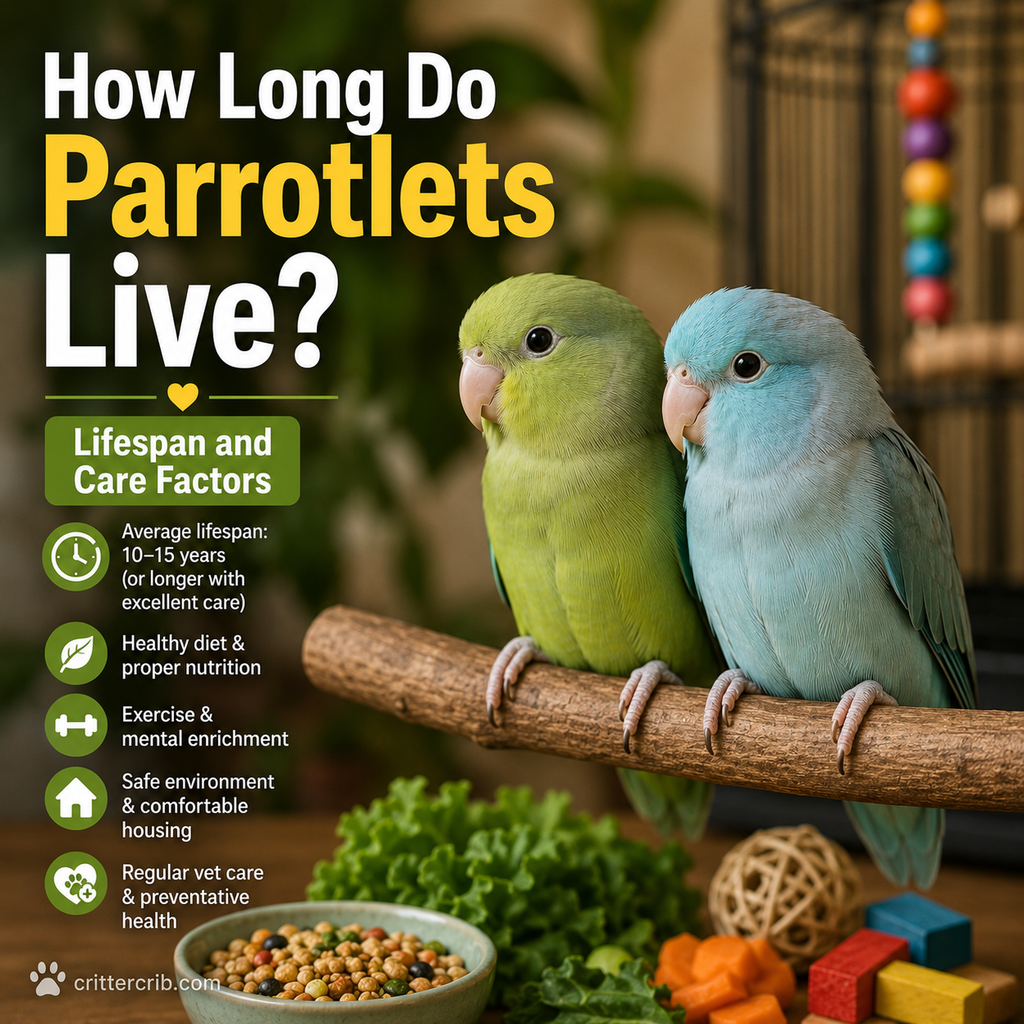
Blue and green parrotlets perched beside fresh vegetables, food, water, and an enriched bird cage
Proper parrotlet care includes a spacious habitat, balanced nutrition, daily enrichment, exercise, clean water, and regular health monitoring.

Parrotlets may be tiny, but anyone expecting a quiet little bird that simply sits on a perch may be in for a surprise.

These miniature parrots are curious, active, intelligent, and often remarkably confident. A parrotlet can weigh only around an ounce yet behave as though it’s the largest bird in the house.

That personality is part of their appeal. It also means they need more than a small cage, a bowl of seeds, and an occasional toy.

Good parrotlet care involves providing a spacious habitat, balanced nutrition, daily enrichment, opportunities for exercise, consistent sleep, regular cleaning, and plenty of attention to the bird’s behavior and health.

Whether you’re considering getting a parrotlet or have recently brought one home, this guide covers the essentials of creating a safe, healthy everyday routine.

Continue reading “Complete Parrotlet Care Guide: Habitat, Diet, and Daily Care”

Essential Supplies for Lovebirds: Beginner Checklist

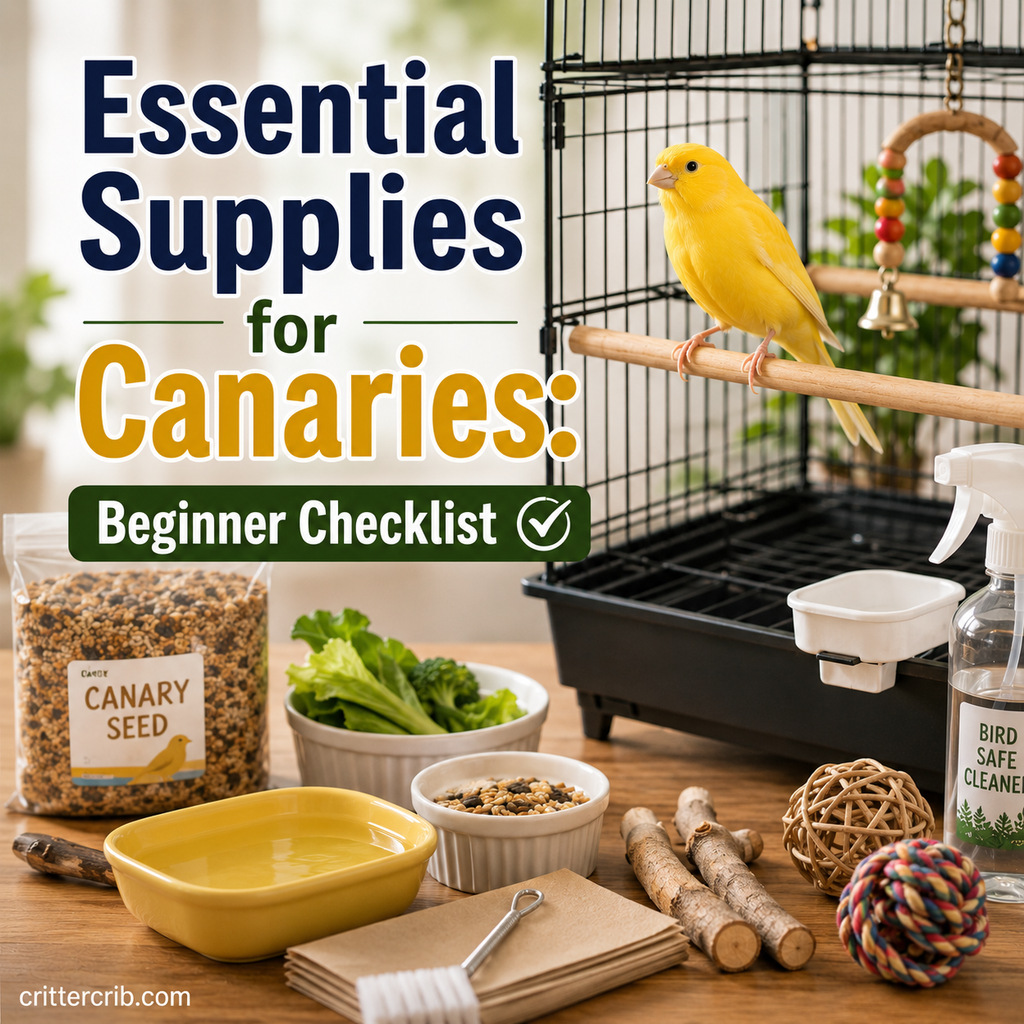
Two lovebirds with a cage, natural perches, food bowls, toys, carrier, and care supplies
A proper lovebird setup starts with a spacious cage, balanced food, fresh water, varied perches, enrichment, cleaning supplies, and a secure carrier.

Bringing home a lovebird is exciting, and it’s surprisingly easy to end up with a shopping cart full of colorful toys, treats, perches, and accessories before you’ve figured out what your bird actually needs.

The good news is that the essential lovebird supply list is fairly straightforward.

Your new bird needs a spacious and secure cage, appropriate food, clean water, varied perches, safe toys, cleaning supplies, a carrier, and a few other basics that support everyday care. After those essentials are covered, you can gradually add enrichment based on what your individual lovebird enjoys.

Lovebirds are small parrots, but they’re active, curious, social, and enthusiastic chewers. Their setup should reflect that.

Use this beginner checklist to prepare your lovebird’s habitat before bringing your new bird home.

Continue reading “Essential Supplies for Lovebirds: Beginner Checklist”

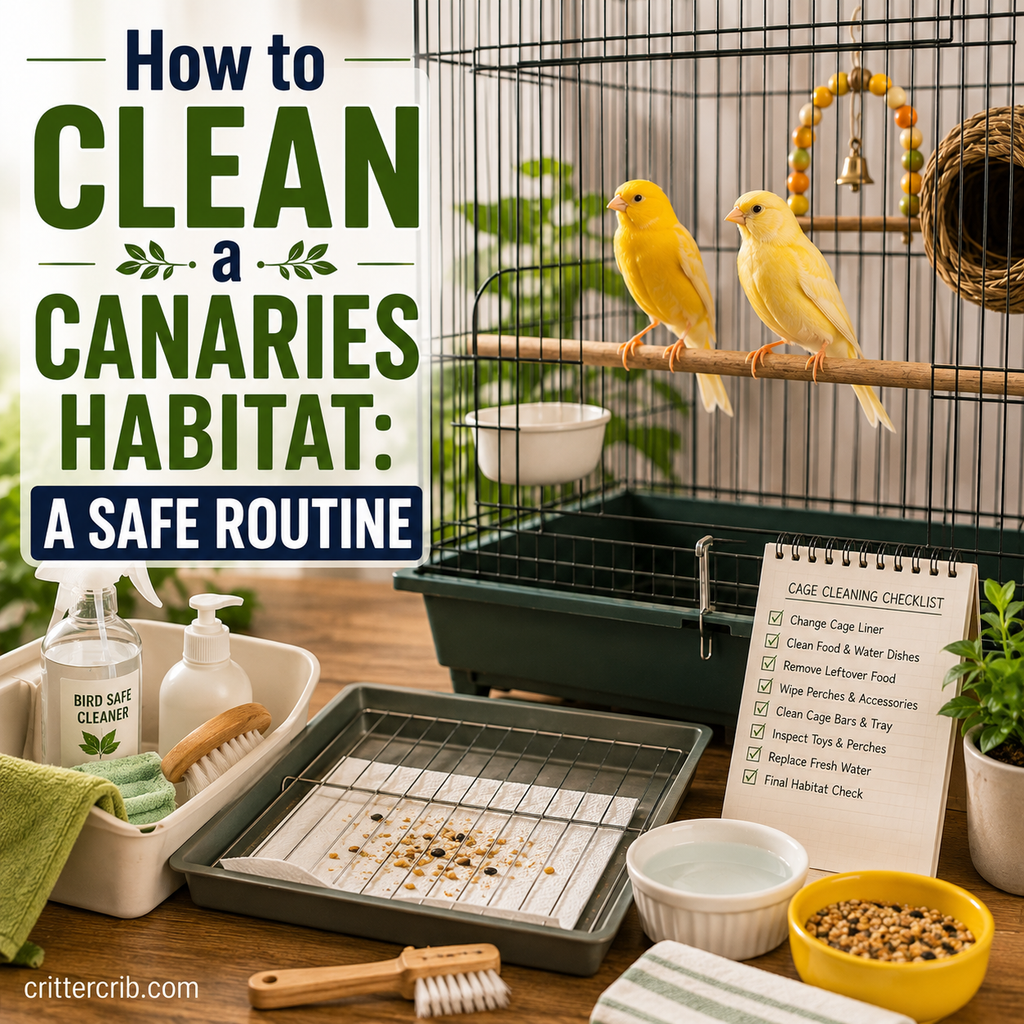
How to Clean a Finch Habitat: A Safe Routine

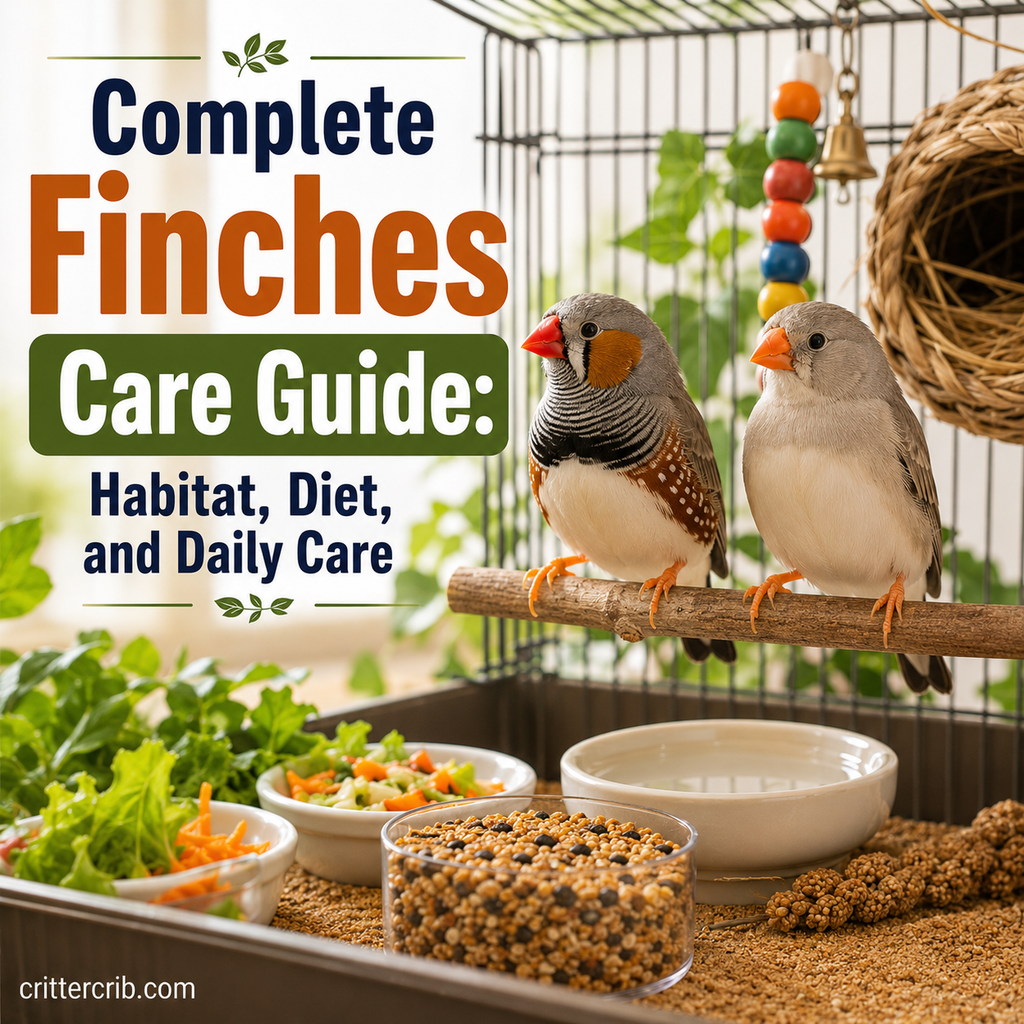
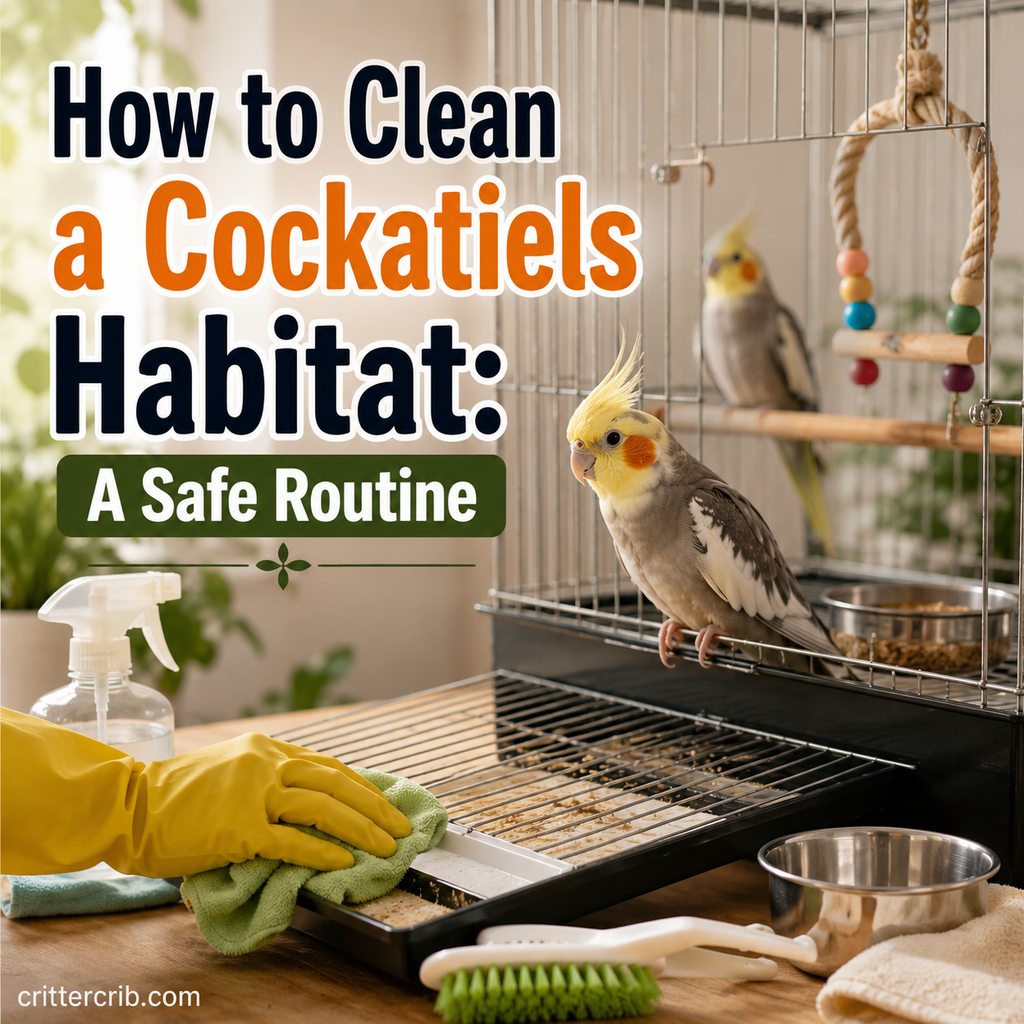
Cleaning a finch cage tray while two finches perch inside their habitat
Regular cleaning of cage liners, dishes, perches, and accessories helps keep a finch habitat clean, dry, and comfortable.

Finches may be tiny birds, but they can create an impressive amount of mess. Seed hulls collect beneath feeders, feathers drift around the cage, water dishes become contaminated, and droppings build up on perches and cage liners.

Keeping up with that mess isn’t just about making the cage look nice.

A clean habitat helps keep food and drinking water sanitary, prevents waste from accumulating, and gives you an opportunity to notice changes in your finches’ droppings, eating habits, and general condition.

Fortunately, you don’t need to completely dismantle the cage every morning. The easiest approach is a combination of quick daily maintenance and a more thorough cleaning on a regular schedule.

Here’s how to clean a finch habitat safely without making the routine unnecessarily complicated or stressful for your birds.

Continue reading “How to Clean a Finch Habitat: A Safe Routine”

How Much Space Do Canaries Need? Housing Size Guide

Yellow canary perched inside a spacious rectangular bird cage
Canaries benefit from wide, spacious cages that provide room for perching, movement, and short horizontal flights.

Canaries may be small birds, but that doesn’t mean they’re suited to tiny cages. These active little birds need enough room to move between perches, stretch their wings, and make short flights throughout the day.

In fact, the shape and width of a canary cage can be just as important as its overall size.

Unlike parrots that spend a lot of time climbing around cage bars, canaries primarily exercise by flying. A tall, narrow cage might look spacious to us, but it doesn’t necessarily provide the horizontal flight space a canary needs.

So, how much space does a canary actually need?

As a general starting point, a single canary should have a cage measuring at least about 18 inches wide, 18 inches deep, and 18 inches high. However, a cage around 24 inches wide or larger is a much better choice when space allows. Wider flight-style cages give canaries more opportunity to move naturally.

Here’s how to choose an appropriate canary cage and set it up without sacrificing valuable flying space.

Continue reading “How Much Space Do Canaries Need? Housing Size Guide”

Cockatiel Behavior Explained: What Common Behaviors Mean

Cockatiel displaying expressive body language with raised crest
Cockatiels use their crest, posture, vocalizations, and other body language to communicate how they’re feeling.

Cockatiels have a surprisingly expressive way of communicating. They whistle, hiss, grind their beaks, raise their crests, spread their wings, bob their heads, and sometimes scream for seemingly no reason at all.

Once you know what to look for, many of these behaviors become much easier to understand.

A cockatiel’s crest is particularly useful because it can provide clues about how the bird is feeling. But no single movement tells the whole story. A raised crest might mean excitement, curiosity, or alarm depending on what the rest of the bird is doing.

That’s why understanding cockatiel behavior is less about memorizing individual signals and more about learning to read combinations of posture, sounds, surroundings, and routine.

This guide explains common cockatiel behaviors, what they usually mean, and when a change in behavior deserves closer attention.

Continue reading “Cockatiel Behavior Explained: What Common Behaviors Mean”

Complete Budgies Care Guide: Habitat, Diet, and Daily Care

Budgies perched together with healthy foods for a complete budgie care guide
A complete guide to budgie habitat, diet, enrichment, and everyday care.

Budgies are small, colorful, social birds with personalities that can seem much bigger than their size. Also known as budgerigars or parakeets, these lively birds can learn routines, interact closely with their owners, mimic sounds, and become affectionate companions when given the right care.

Their small size sometimes gives people the impression that budgies are easy, low-maintenance pets. They certainly don’t need as much space as a large parrot, but they still require daily attention, a nutritious diet, room to exercise, mental stimulation, and a clean, thoughtfully arranged habitat.

A healthy budgie can live for many years, so bringing one home should be treated as a long-term commitment rather than an impulse purchase.

This complete budgie care guide covers the essentials, including cage setup, diet, exercise, enrichment, cleaning, handling, sleep, and everyday care.

Continue reading “Complete Budgies Care Guide: Habitat, Diet, and Daily Care”