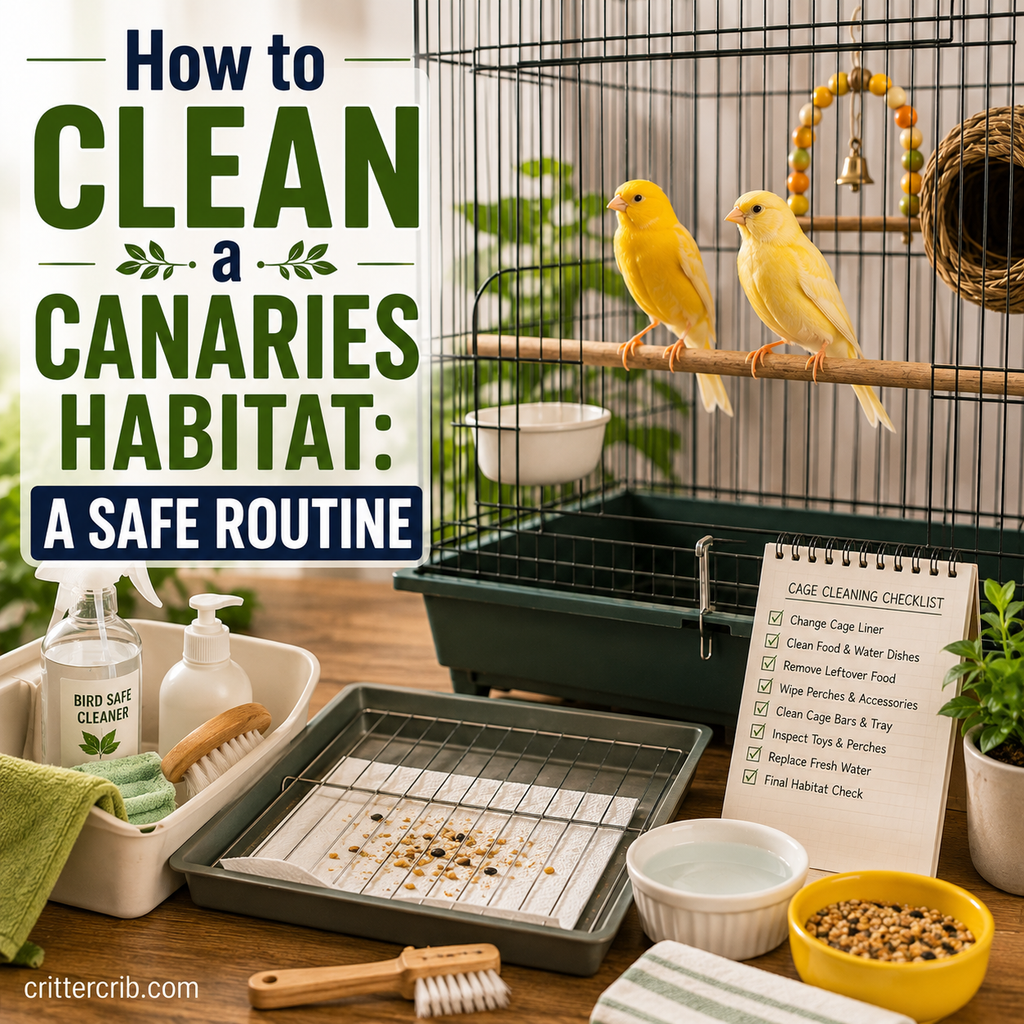
How to Clean a Canary’s Habitat: A Safe Routine

Canaries in a clean bird cage with cage liner, food bowls, brushes, and bird-safe cleaning supplies.
Regular cleaning helps keep a canary’s habitat fresh by removing droppings, discarded food, seed hulls, feathers, and other debris.

Canaries may be tiny, but they can create an impressive amount of mess. Seed hulls collect around the cage, feathers drift onto nearby furniture, food gets scattered, and droppings quickly build up on liners and favorite perches.

Fortunately, keeping a canary’s habitat clean doesn’t have to mean scrubbing the entire cage every day.

The easiest approach is a routine: take care of food, water, liners, and obvious messes daily, then give the cage a more thorough cleaning about once a week. This keeps waste from building up and gives you regular opportunities to inspect the cage, perches, dishes, and accessories.

Cleaning also has another benefit that’s easy to overlook. When you regularly change the cage liner and wash feeding areas, you become familiar with what’s normal for your bird. Changes in droppings, appetite, or the amount of food being eaten may become easier to notice.

Here’s how to clean a canary’s habitat safely, what supplies you’ll need, and which cleaning mistakes are best avoided.

Continue reading “How to Clean a Canary’s Habitat: A Safe Routine”
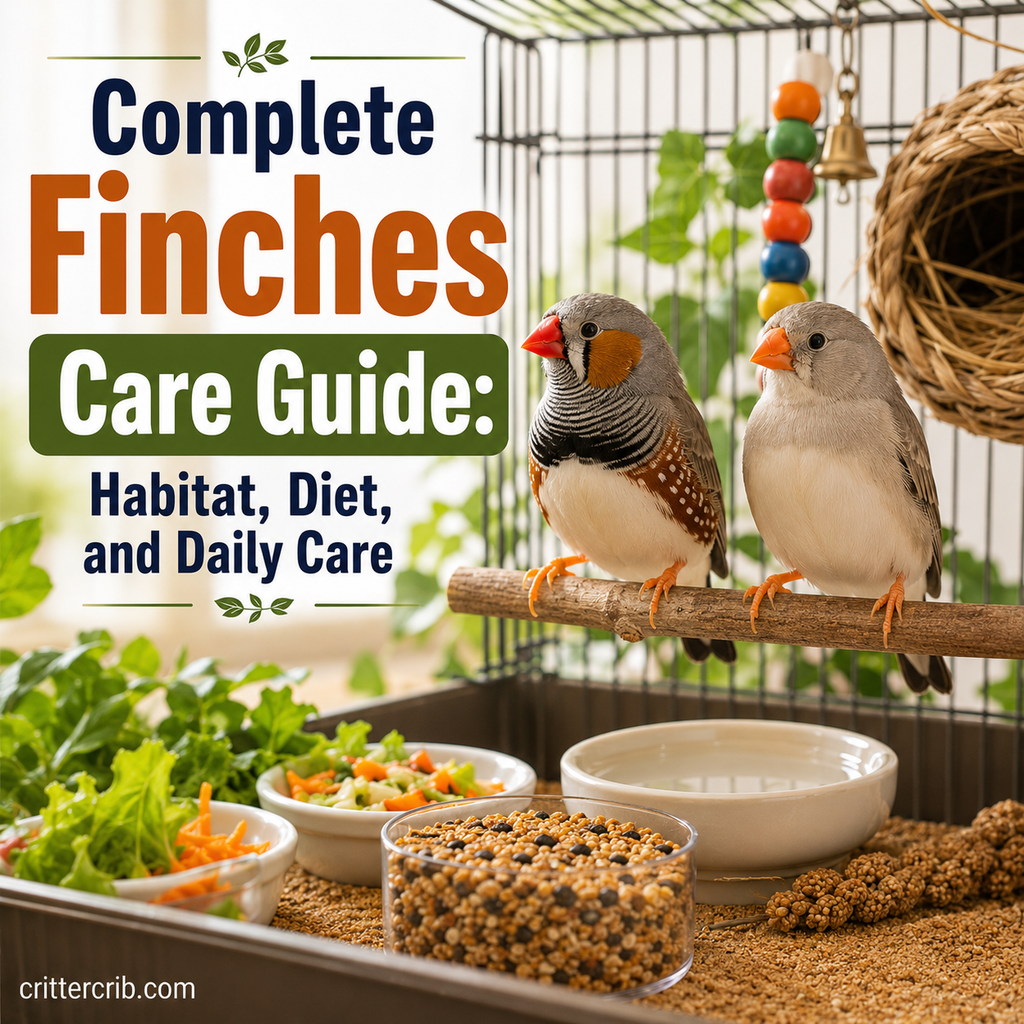
Complete Finches Care Guide: Habitat, Diet, and Daily Care

Two finches perched in a spacious cage with fresh food, water, natural perches, and enrichment.
Finches thrive with a spacious habitat, balanced nutrition, clean water, enrichment, companionship, and consistent daily care.

Finches are small, lively birds that can bring a surprising amount of activity to a home. They flutter between perches, chatter with one another, investigate their surroundings, and, depending on the species, may fill the room with gentle calls or songs.

They’re sometimes described as easy or low-maintenance pets. That’s only partly true.

Finches generally don’t demand the same hands-on interaction as many parrots, but they still need appropriate housing, good nutrition, companionship, enrichment, regular cleaning, and careful observation. Their small size also means subtle health changes can become serious quickly.

For many people, the appeal of finches is that they’re birds you can enjoy largely by watching rather than constantly handling. Give them a spacious, well-designed environment and you’ll see much more of their natural behavior.

This complete finch care guide covers the basics every beginner should understand, from choosing a habitat and feeding a balanced diet to bathing, cleaning, enrichment, sleep, and everyday health monitoring.

Continue reading “Complete Finches Care Guide: Habitat, Diet, and Daily Care”

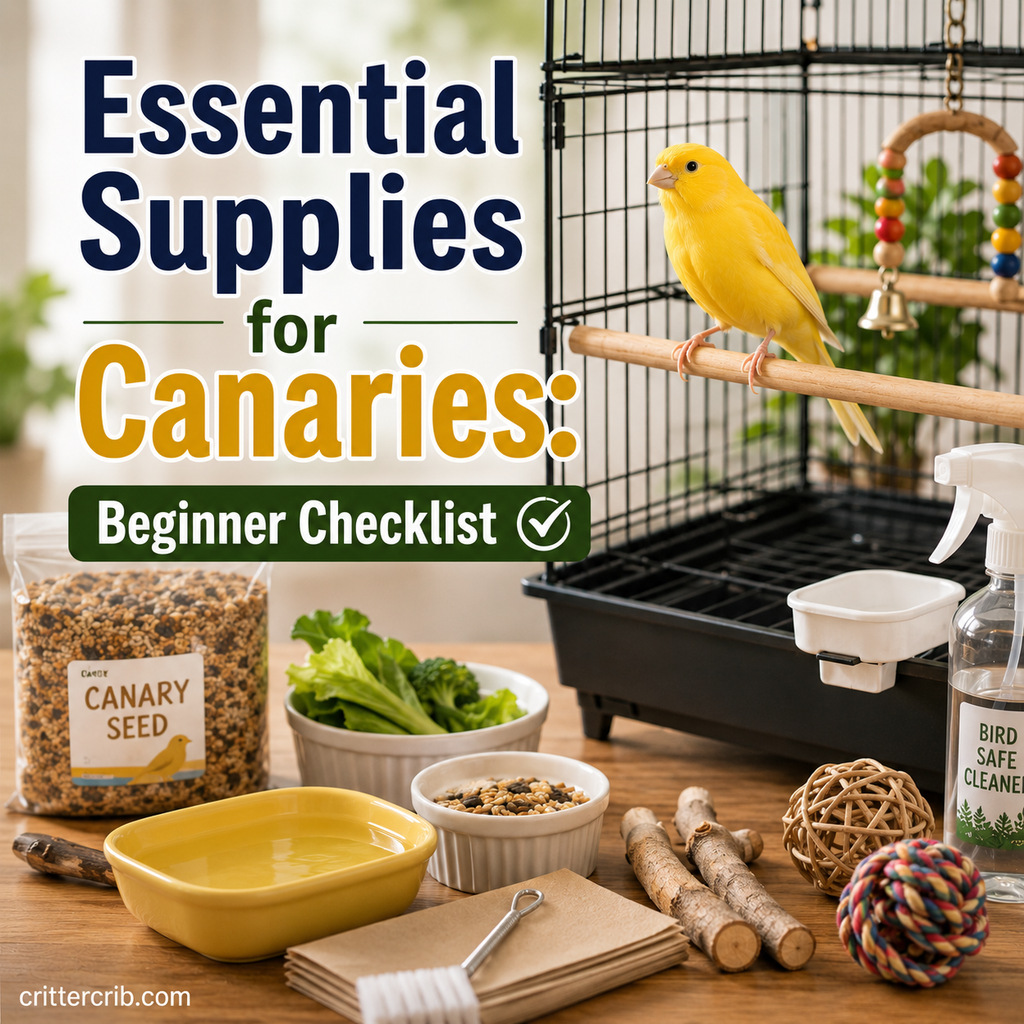
Essential Supplies for Canaries: Beginner Checklist

Yellow canary in a bird cage with essential supplies including food, water, perches, toys, cage liners, and cleaning supplies.
A beginner canary setup should include a spacious cage, suitable perches, nutritious food, fresh water, bathing access, enrichment, and cleaning supplies.

Bringing home a canary is exciting, but walking through the bird aisle at a pet store can make a simple setup feel surprisingly complicated. There are dozens of cages, perches, foods, toys, supplements, feeders, and accessories, and not everything marketed for small birds is actually necessary.

Fortunately, a canary doesn’t need an enormous collection of supplies to get started.

The essentials are straightforward: a safe and appropriately sized cage, several suitable perches, quality food, fresh water, feeding dishes, bathing opportunities, enrichment, cleaning supplies, and a secure carrier for travel.

Getting these basics right matters much more than filling the cage with accessories.

This beginner canary checklist covers what you’ll need before bringing your bird home, along with a few items that are useful but optional and others that are better avoided.

Continue reading “Essential Supplies for Canaries: Beginner Checklist”

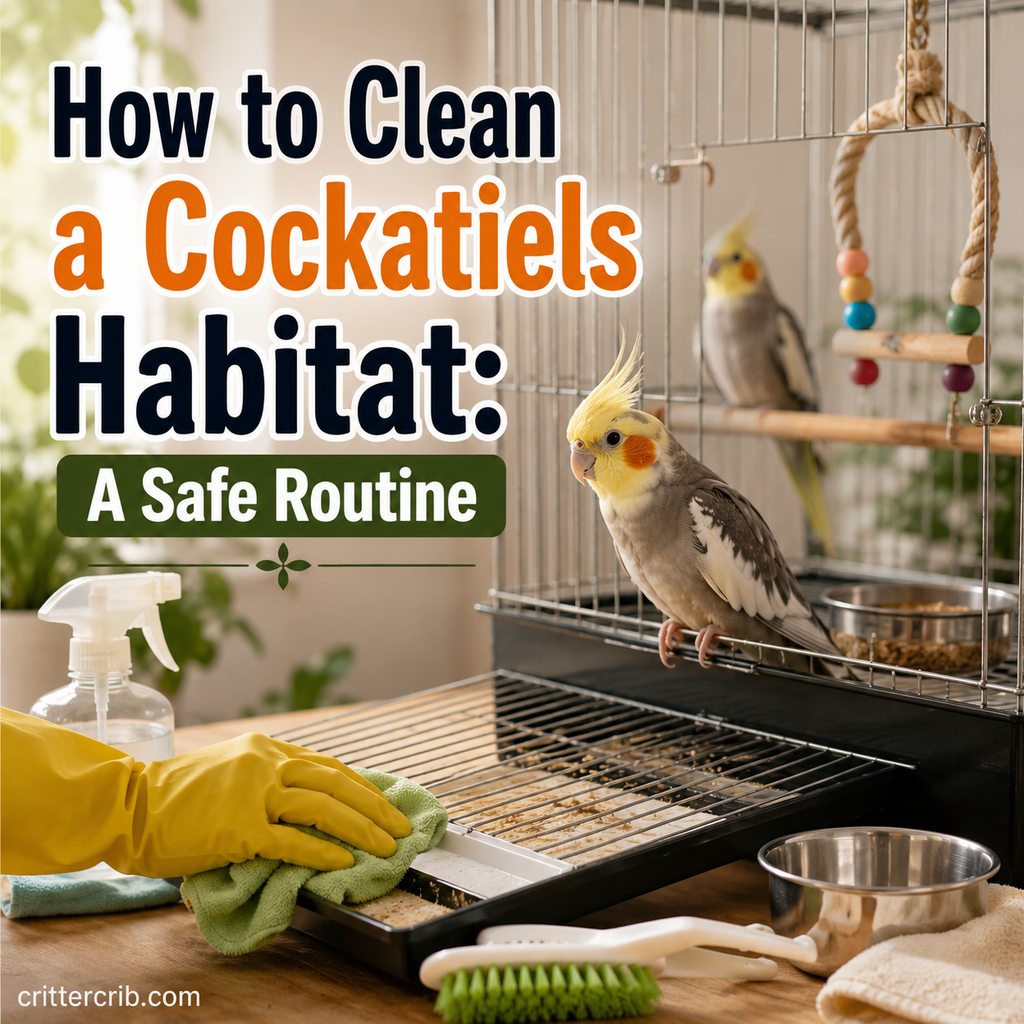
How to Clean a Cockatiel’s Habitat: A Safe Routine

Cockatiel beside a bird cage being cleaned with a cloth as part of a safe habitat cleaning routine.
Regular cage cleaning helps keep a cockatiel’s habitat fresh, comfortable, and free from accumulated food, feathers, and droppings.

Cockatiels can be surprisingly messy for such small birds. Seed hulls scatter across the floor, feathers collect around the cage, food gets dropped into unexpected places, and droppings quickly build up on liners and perches.

Regular cleaning isn’t just about making the cage look nice. A clean habitat helps keep your cockatiel’s food and water fresh, reduces odors, prevents waste from accumulating, and makes it easier to notice changes in your bird’s droppings or eating habits.

The good news is that maintaining a cockatiel cage doesn’t have to turn into a major project every few days. A simple routine works best: handle the small jobs daily, perform a more thorough cleaning weekly, and periodically inspect everything in the cage for wear or hidden grime.

Here’s how to clean a cockatiel’s habitat safely without making the process more complicated than it needs to be.

Continue reading “How to Clean a Cockatiel’s Habitat: A Safe Routine”

How Much Space Do Budgies Need? Housing Size Guide

Two budgies in a spacious bird cage illustrating how much space budgies need and proper cage sizing.
A properly sized cage gives budgies room to perch, play, stretch their wings, and move comfortably.

Budgies may be small birds, but they need more room than their size might suggest. These active little parrots spend much of the day climbing, hopping, playing, stretching their wings, and flying whenever space allows.

A cage that looks large compared with a budgie can still become cramped once you add perches, food dishes, toys, and other accessories. And if you keep two budgies together, providing enough usable space becomes even more important.

So, how much space do budgies actually need?

As a general rule, a budgie should have a cage that is at least about 18 inches wide, 18 inches deep, and 18 inches high, although larger is strongly preferable. For two budgies, aim for at least 30 inches of horizontal width and as much additional room as you can reasonably provide.

Those measurements are only a starting point. The shape of the cage, bar spacing, interior setup, number of birds, and amount of supervised time outside the cage all affect how suitable a home really is.

This guide explains how to choose a comfortable cage and create a living space that gives your budgie room to move, play, and behave naturally.

Continue reading “How Much Space Do Budgies Need? Housing Size Guide”

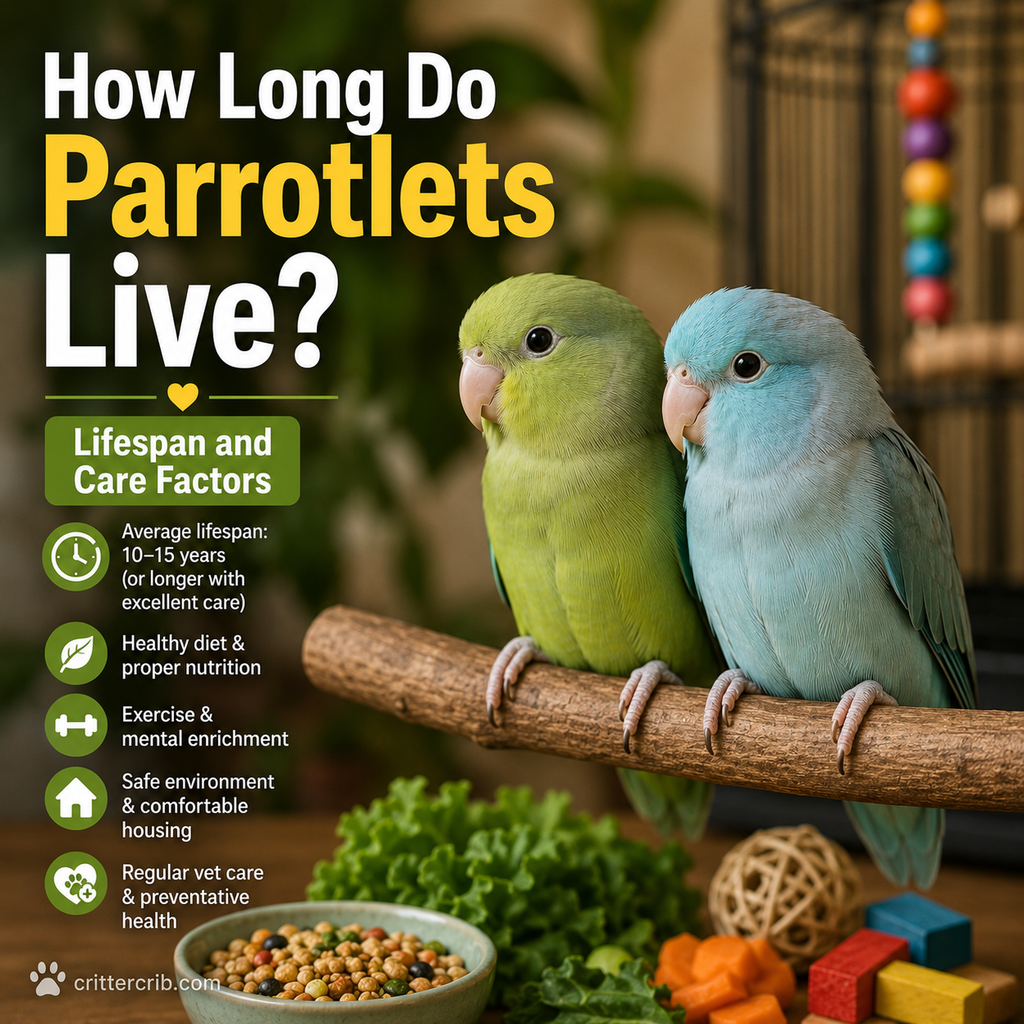
How Long Do Parrotlets Live? Lifespan and Care Factors

Two parrotlets with healthy food and enrichment illustrating lifespan and care factors
Parrotlets commonly live around 10 to 15 years, while good nutrition, exercise, safe housing, enrichment, and veterinary care can support long-term health.

Parrotlets may be among the smallest parrots kept as pets, but they’re anything but a short-term commitment. These tiny, energetic birds can potentially share your home for well over a decade.

So, how long do parrotlets live?

A pet parrotlet can commonly live around 10 to 15 years, while some well-cared-for birds may reach 15 to 20 years or potentially longer. There’s considerable individual variation, and no particular age is guaranteed.

Genetics play a role, but everyday care matters too. Diet, exercise, body weight, sleep, cage setup, mental stimulation, household safety, and access to an avian veterinarian can all influence a bird’s health and quality of life.

If you already have a parrotlet—or you’re considering bringing one home—here’s what you should know about their lifespan and the factors that can help support a long, healthy life.

Continue reading “How Long Do Parrotlets Live? Lifespan and Care Factors”

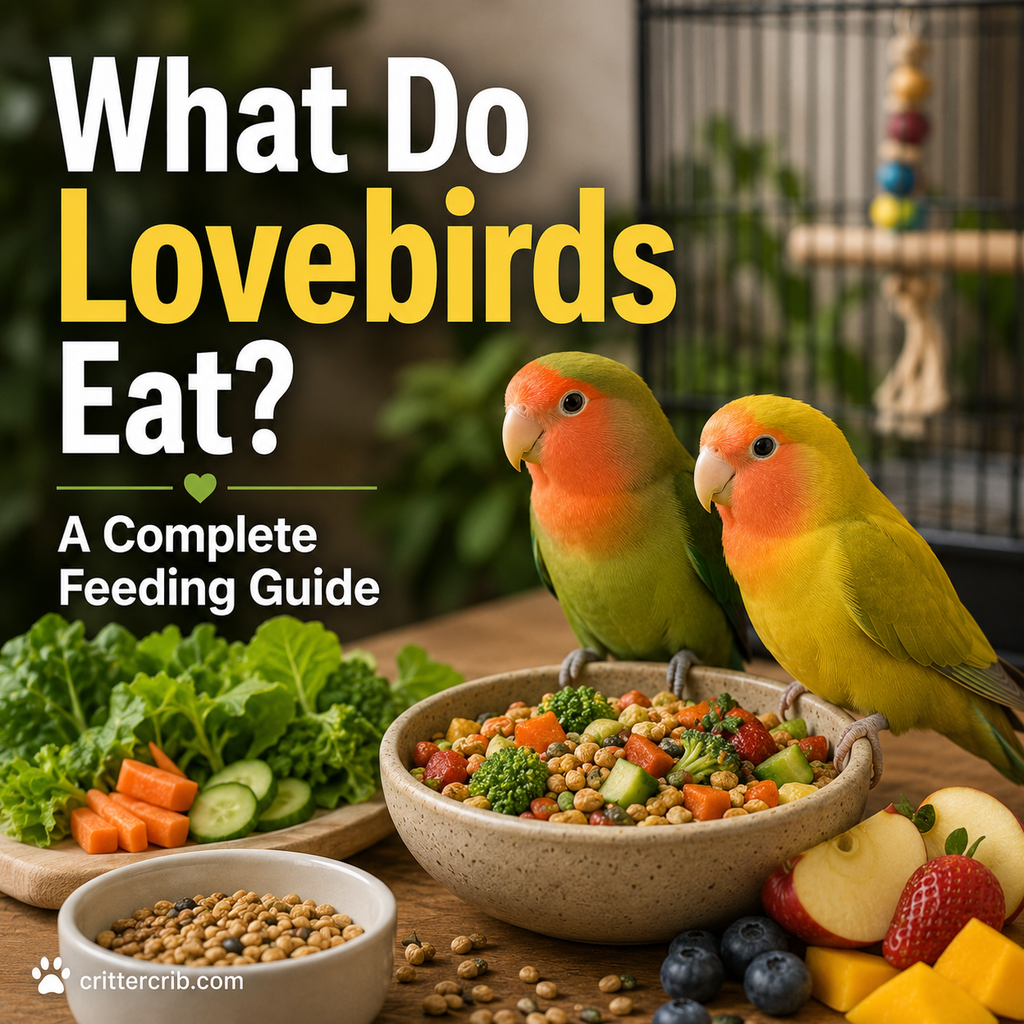
What Do Lovebirds Eat? A Complete Feeding Guide

Two lovebirds with pellets, seeds, fresh vegetables, leafy greens, and fruit
A balanced lovebird diet can include quality pellets, fresh vegetables, leafy greens, limited fruit, and appropriate amounts of seeds and nuts.

Lovebirds may be small parrots, but their nutritional needs go well beyond filling a bowl with birdseed.

A healthy lovebird diet should provide variety and balanced nutrition. For many pet lovebirds, that means using a quality formulated pellet as the foundation of the diet, supplemented with fresh vegetables, leafy greens, smaller amounts of fruit, and appropriate seeds or nuts.

The exact diet can vary depending on your bird’s age, health, activity level, reproductive status, and what it’s accustomed to eating. That’s why an avian veterinarian is the best person to help you fine-tune a feeding plan for an individual bird.

Still, there are some useful guidelines every lovebird owner should know.

Here’s what lovebirds can eat, what they should only have occasionally, which foods to avoid, and how to build a healthier daily feeding routine.

Continue reading “What Do Lovebirds Eat? A Complete Feeding Guide”

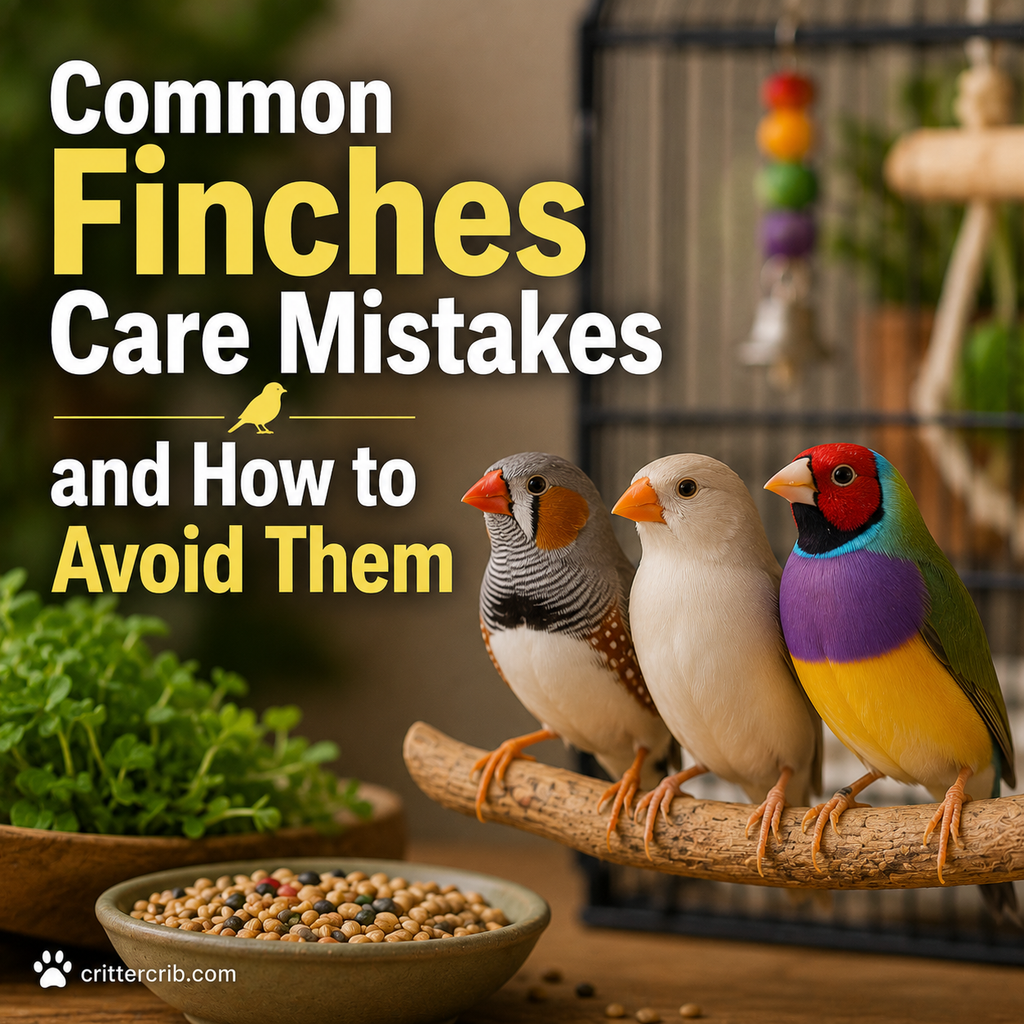
Common Finch Care Mistakes and How to Avoid Them

Three pet finches perched together beside their cage and food dish
Avoiding common mistakes with housing, diet, companionship, hygiene, and enrichment can help keep pet finches healthy and comfortable.

Finches have a reputation for being relatively easy pet birds. They don’t usually demand the same hands-on attention as many parrots, and watching a small group hop, fly, chirp, and interact can be incredibly enjoyable.

But easy doesn’t mean maintenance-free.

Some of the most common finch care mistakes happen because these little birds are treated as decorative cage pets rather than active, social animals with specific needs. A cage that’s too small, an unbalanced diet, poor air quality, or a lack of companionship can all affect their well-being.

The good news is that many problems are preventable.

Whether you’re bringing home your first finches or reviewing your current setup, here are the most common finch care mistakes and what you can do instead.

Continue reading “Common Finch Care Mistakes and How to Avoid Them”

How Much Do Canaries Cost? Setup and Ongoing Expenses

Pet canary with cage, food, supplies, calculator, and budget planner
Canary ownership costs include the bird, cage, food, perches, enrichment, supplies, and ongoing veterinary care.

Canaries are relatively small birds, but the cost of owning one goes well beyond the price you pay to bring the bird home.

The canary itself may cost roughly $50 to $200 or more, depending on the variety, age, breeder, location, and other factors. Your initial setup can easily add another $150 to $500 or more once you purchase an appropriate cage, perches, dishes, a carrier, and other essentials.

Then there are ongoing expenses.

Food, cage supplies, replacement accessories, and veterinary care continue throughout your bird’s life. You’ll also want money available for unexpected medical expenses, which can cost considerably more than the bird itself.

If you’re considering a canary, here’s a realistic look at what you may spend initially and what you should budget for ongoing care.

Continue reading “How Much Do Canaries Cost? Setup and Ongoing Expenses”

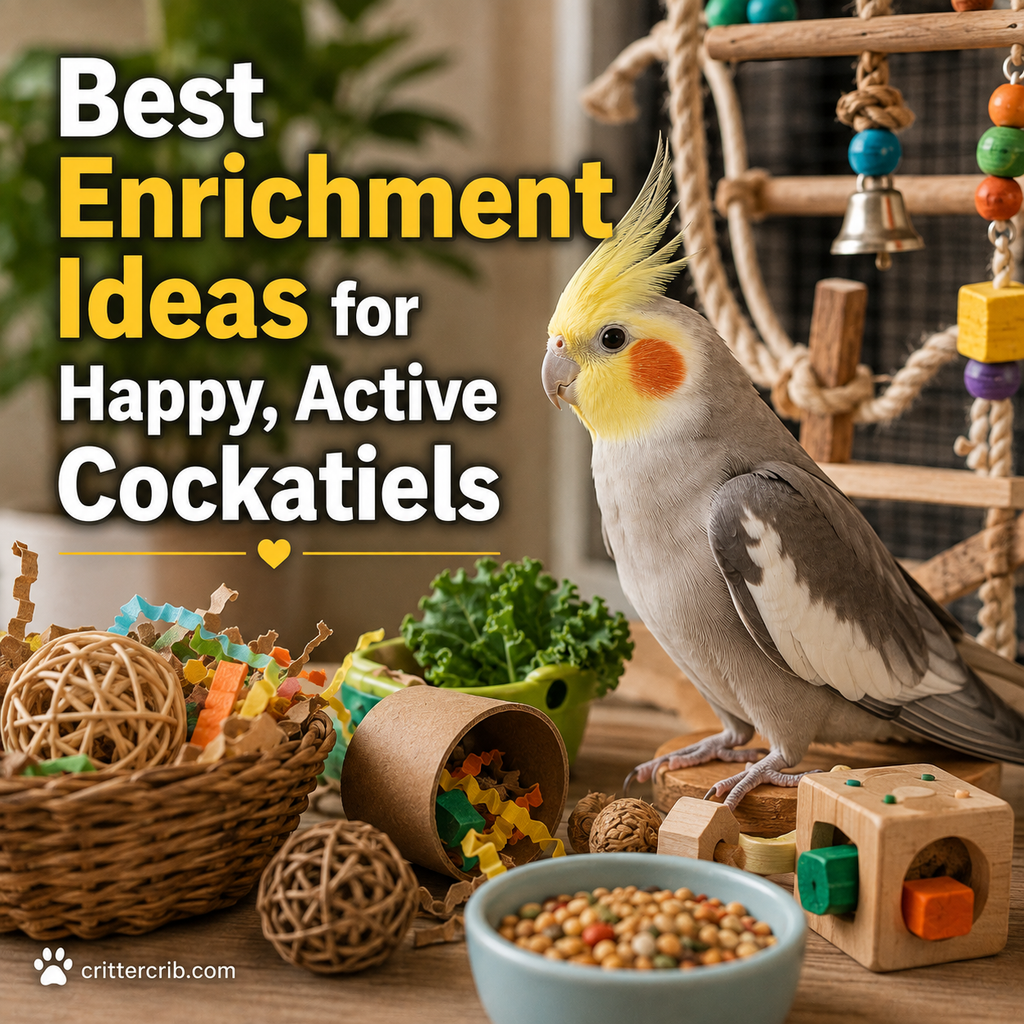
Best Enrichment Ideas for Happy, Active Cockatiels

Cockatiel with foraging toys, shredding materials, healthy food, and climbing activities
Foraging, shredding, climbing, training, toys, and supervised exercise can help keep cockatiels physically active and mentally engaged.

Cockatiels may spend part of their day relaxing on a favorite perch, but they’re definitely not birds that should sit in an empty cage with nothing to do.

They’re curious, social parrots that naturally explore, chew, forage, climb, fly, communicate, and investigate their surroundings. A good enrichment routine gives them safe ways to use those instincts at home.

And enrichment doesn’t have to mean buying a pile of expensive bird toys.

A cardboard box to shred, vegetables tucked into different feeding locations, a short training session, or an afternoon exploring a play stand can sometimes be more interesting than another colorful toy hanging from the cage.

The best approach is variety.

Here are some of the best enrichment ideas for cockatiels, along with practical ways to keep your bird mentally stimulated, physically active, and interested in its environment.

Continue reading “Best Enrichment Ideas for Happy, Active Cockatiels”