Essential Supplies for Millipedes: Beginner Checklist

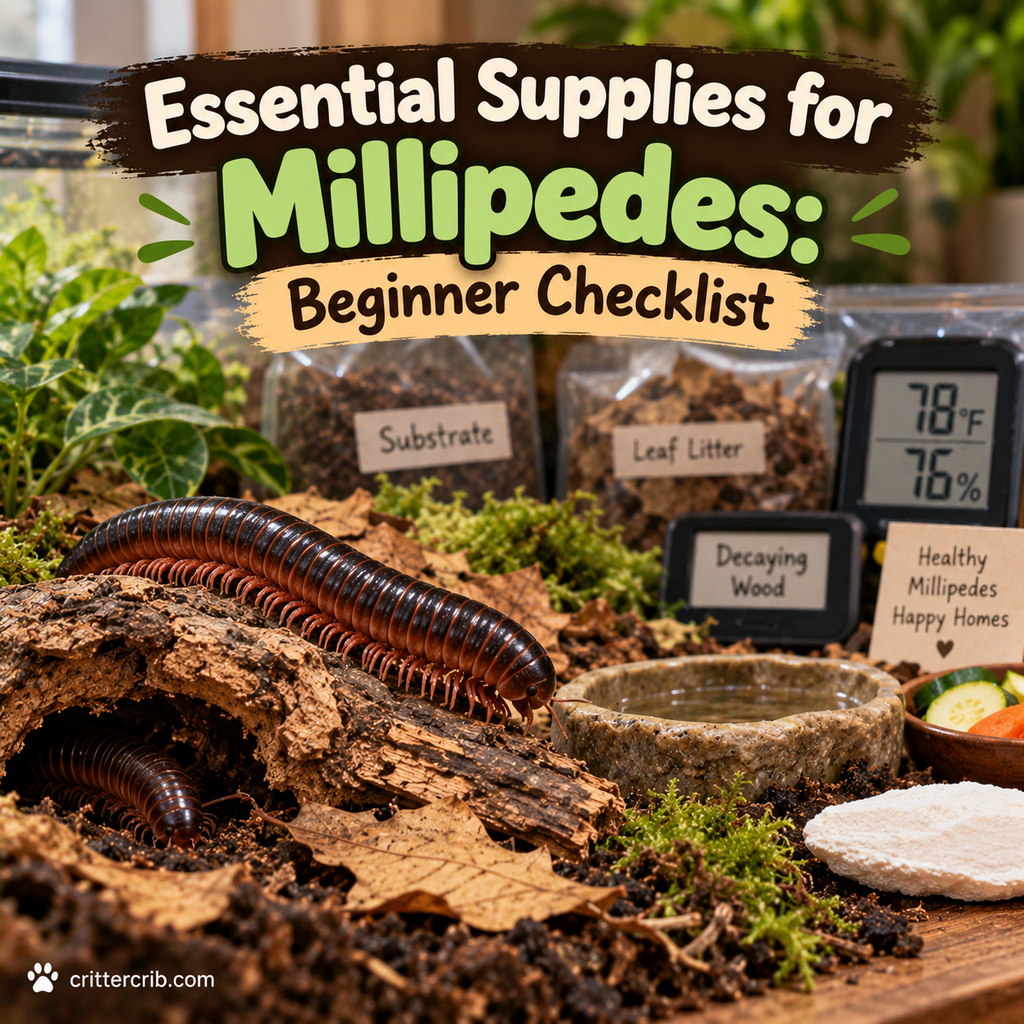
Millipede with essential habitat supplies including substrate, leaf litter, decaying wood, water, and food
The right millipede supplies include deep organic substrate, leaf litter, decaying wood, proper moisture, hides, food, and environmental monitoring.

Millipedes don’t need a room full of expensive equipment. Compared with many exotic pets, their setup can be surprisingly simple.

But simple doesn’t mean you can put a millipede in a plastic box with a little potting soil and call it done.

The most important part of a millipede enclosure is actually beneath its feet. Millipedes spend much of their lives crawling through, burrowing into, and eating material from the substrate. Getting that foundation right matters far more than buying fancy decorations.

If you’re preparing for your first pet millipede, this beginner checklist covers the essential supplies you’ll need, what each item does, and which extras are worth considering.

Continue reading “Essential Supplies for Millipedes: Beginner Checklist”
How to Clean an Isopod Habitat: A Safe Routine

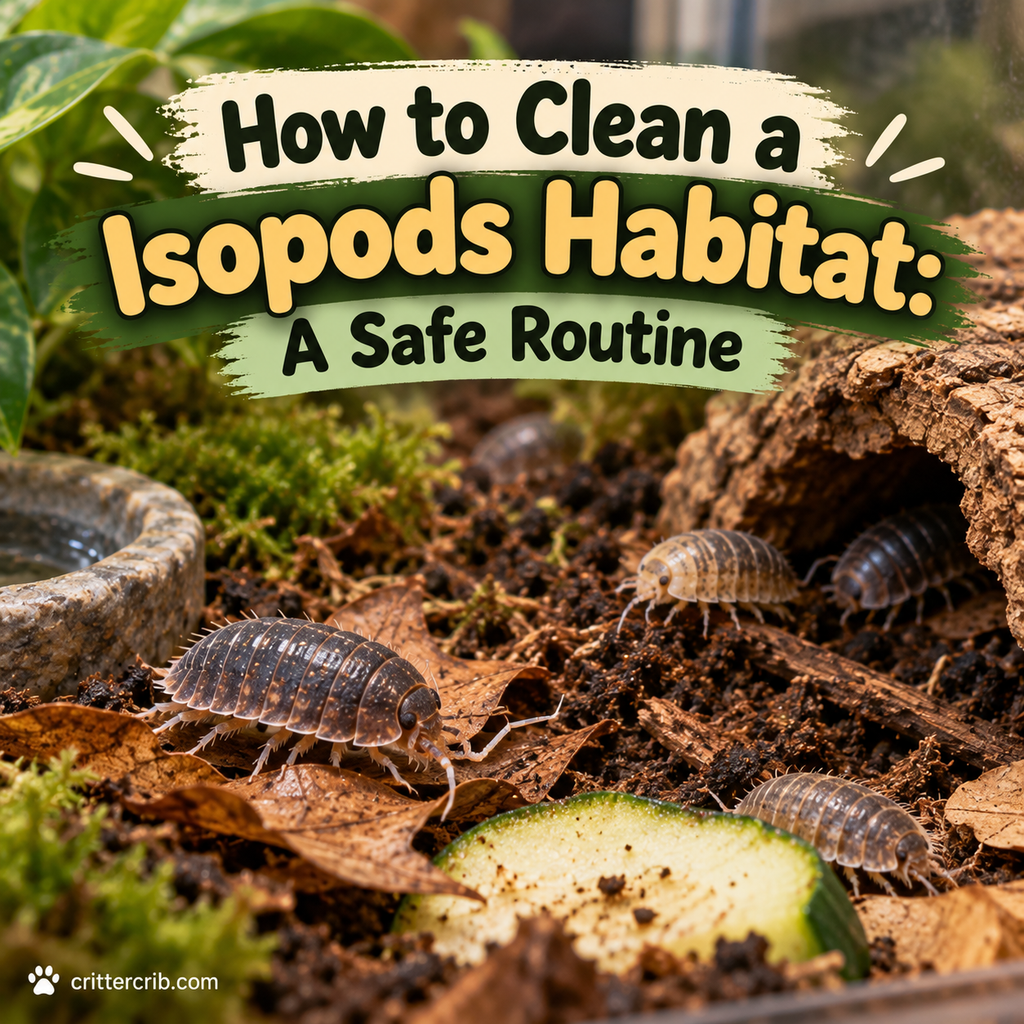
Isopods in a natural habitat with moist substrate, leaf litter, moss, cork bark, and food
Isopod habitats should be maintained with gentle spot cleaning rather than frequent complete cleanouts that disturb the colony and living substrate.

Cleaning an isopod habitat isn’t quite like cleaning a hamster cage or reptile tank. If your first instinct is to remove all the substrate, scrub the enclosure, and replace everything with fresh material, resist it.

A healthy isopod enclosure is a tiny ecosystem.

The substrate contains microorganisms, decomposing organic matter, and often springtails that work alongside your isopods. Completely replacing that environment every few weeks can cause more disruption than good.

Instead, isopod habitat cleaning is mostly about maintenance: removing problem food, dealing with mold when necessary, replenishing leaf litter and decaying wood, keeping ventilation clear, and watching moisture levels.

Done properly, cleaning should disturb the colony as little as possible.

Here’s how to keep an isopod habitat clean without constantly tearing apart the ecosystem you’ve worked to establish.

Continue reading “How to Clean an Isopod Habitat: A Safe Routine”

How Much Space Do Tarantulas Need? Housing Size Guide

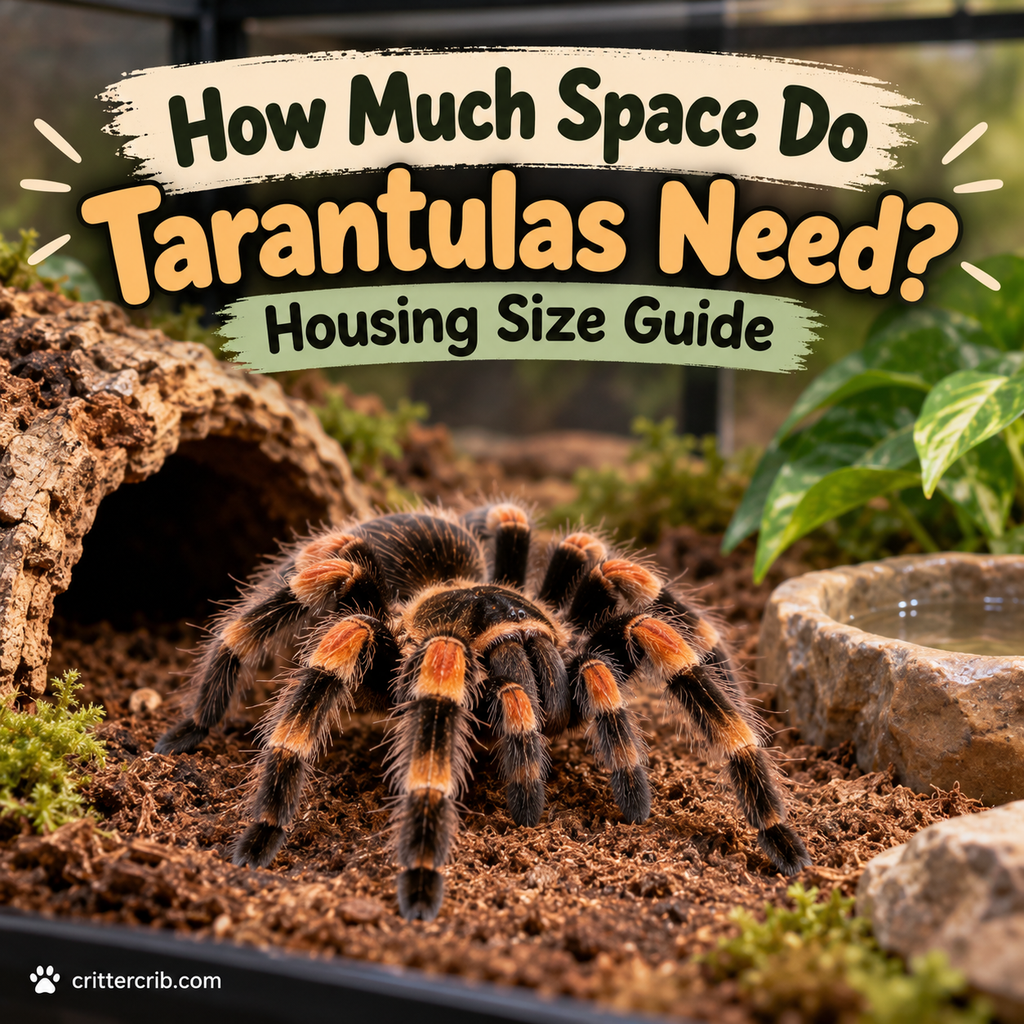
Tarantula in a natural terrarium with substrate, hide, plants, and water dish
The right tarantula enclosure size depends on the spider’s size, life stage, and whether it is terrestrial, fossorial, or arboreal.

Tarantulas don’t need enormous enclosures to live comfortably. In fact, giving one a huge tank isn’t necessarily better and can sometimes make feeding, monitoring, and maintaining the right conditions more difficult.

What matters most is providing the right kind of space.

A terrestrial tarantula needs enough floor area and substrate to move around safely. A burrowing species needs considerably deeper substrate. An arboreal tarantula needs vertical room and climbing surfaces instead.

So, how much space does a tarantula actually need?

There isn’t one enclosure size that works for every species, but there are practical guidelines you can use to choose an appropriate home.

Continue reading “How Much Space Do Tarantulas Need? Housing Size Guide”

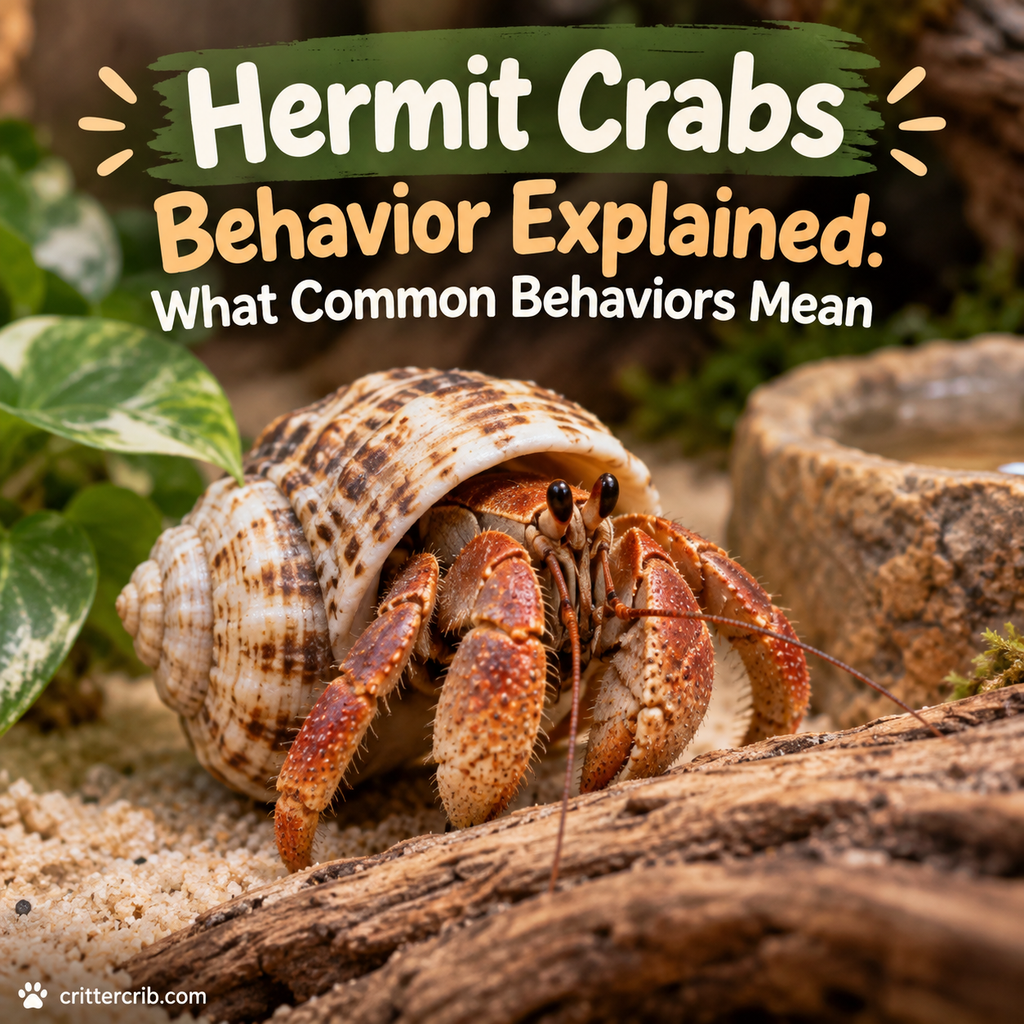
Hermit Crabs Behavior Explained: What Common Behaviors Mean

Hermit crab in a natural terrarium illustrating common hermit crab behaviors
Common hermit crab behaviors such as digging, climbing, hiding, and changing shells can reveal a lot about what your crab is doing.

Hermit crabs can be surprisingly expressive little animals. They climb, dig, swap shells, disappear underground, knock things over, and sometimes spend hours doing what looks like absolutely nothing.

If you’re new to keeping hermit crabs, some of these behaviors can be confusing. A crab that suddenly buries itself might seem sick. One that keeps changing shells might look uncomfortable. And when two crabs interact, it isn’t always obvious whether they’re socializing or fighting.

Many of these behaviors are completely normal. Others can tell you something important about your hermit crab’s environment, health, or relationships with its tank mates.

Understanding the difference makes hermit crab care much easier.

Continue reading “Hermit Crabs Behavior Explained: What Common Behaviors Mean”

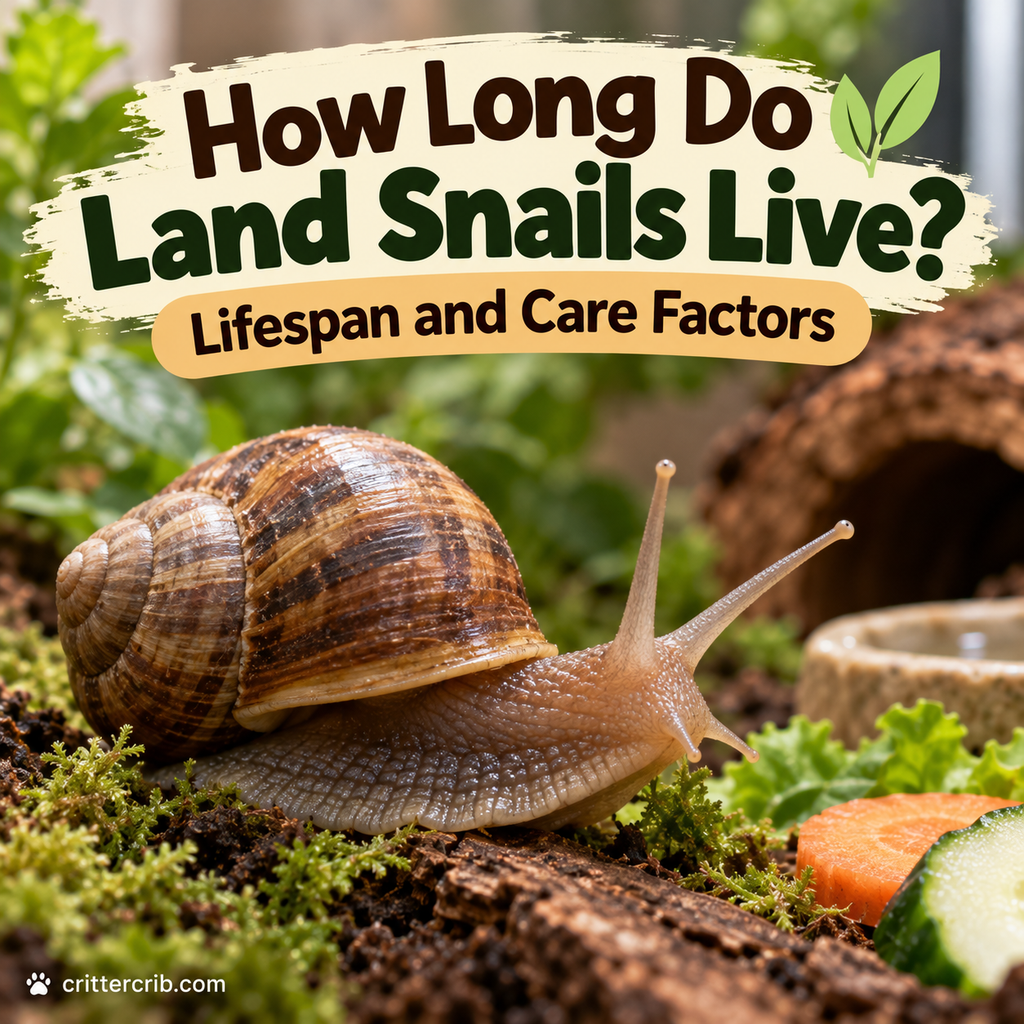
How Long Do Land Snails Live? Lifespan and Care Factors

Land snail in a natural enclosure with moss, soil, cork bark, and fresh vegetables.
Land snail lifespan varies by species, with diet, calcium, moisture, temperature, and habitat conditions all playing important roles in long-term health.

Land snails may move slowly, but some of them stick around for a surprisingly long time.

Depending on the species, a land snail can live anywhere from a couple of years to well over a decade. Many commonly kept pet land snails live roughly 2–7 years, while some larger or particularly long-lived species may survive 10 years or more under favorable conditions.

There’s no single lifespan that applies to every snail.

Species and genetics play a major role, but captivity introduces factors you can control. Diet, calcium, moisture, temperature, enclosure safety, cleanliness, and handling can all affect a snail’s health and potentially influence how long it lives.

If you’re keeping land snails as pets—or thinking about bringing some home—understanding their lifespan helps you plan for more than just the first few months.

Here’s what determines how long land snails live and how good care can give them the best chance at reaching their natural lifespan.

Continue reading “How Long Do Land Snails Live? Lifespan and Care Factors”

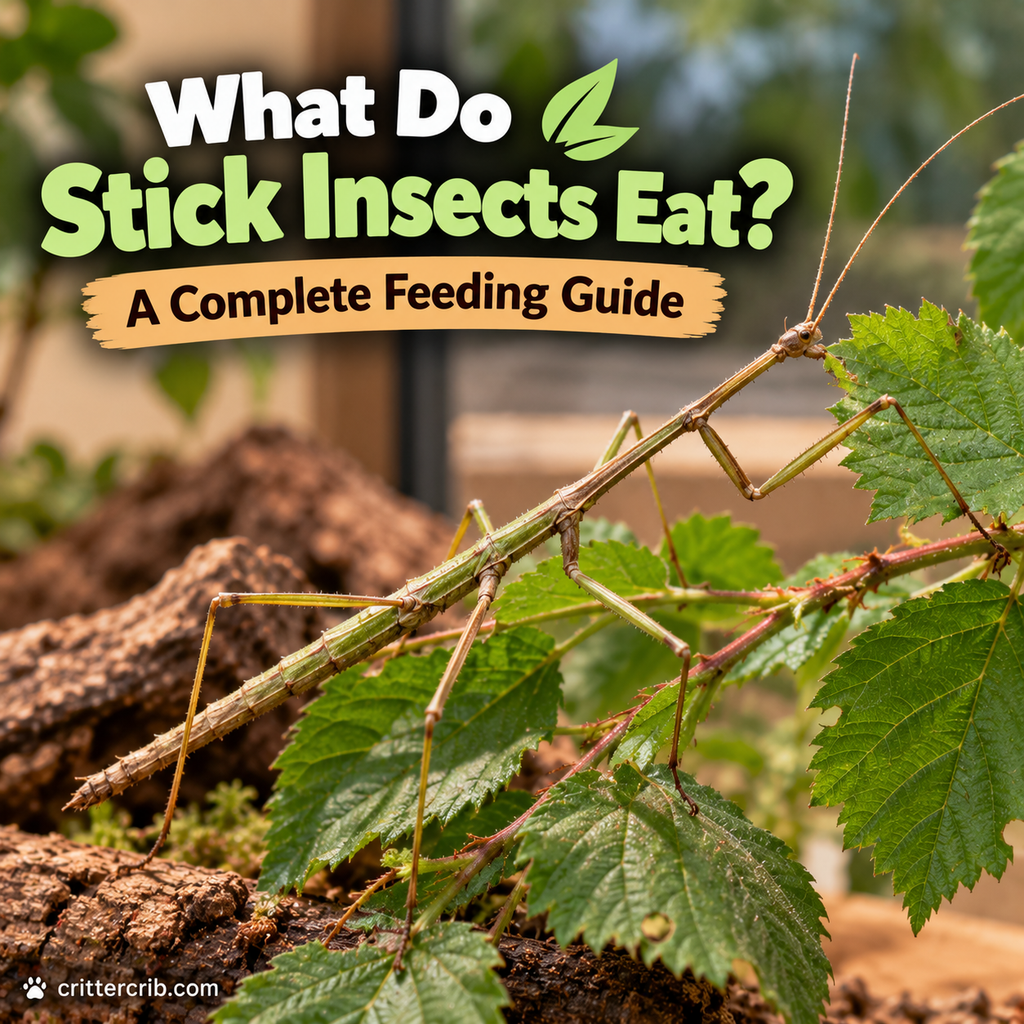
What Do Stick Insects Eat? A Complete Feeding Guide

Stick insect feeding on fresh green leaves in a natural pet enclosure.
Stick insects are herbivores that primarily eat fresh leaves, with suitable food plants varying by species.

Stick insects aren’t complicated eaters, but they are particular.

Unlike many pet invertebrates that eat fruit, vegetables, or feeder insects, stick insects are herbivores. Their diet consists primarily of fresh leaves, and the exact plants they’ll accept depend on the species you’re keeping.

For many commonly kept species, bramble leaves are a reliable staple. Others readily eat oak, rose, privet, eucalyptus, or additional plants. The challenge isn’t usually preparing the food. It’s identifying safe plants, keeping the leaves fresh, and making sure your particular stick insect will actually eat them.

That’s especially important with young nymphs, which need consistent access to suitable foliage as they grow.

So, what do stick insects eat, how often should you feed them, and how do you safely provide fresh branches inside an enclosure? Here’s what you need to know.

Continue reading “What Do Stick Insects Eat? A Complete Feeding Guide”

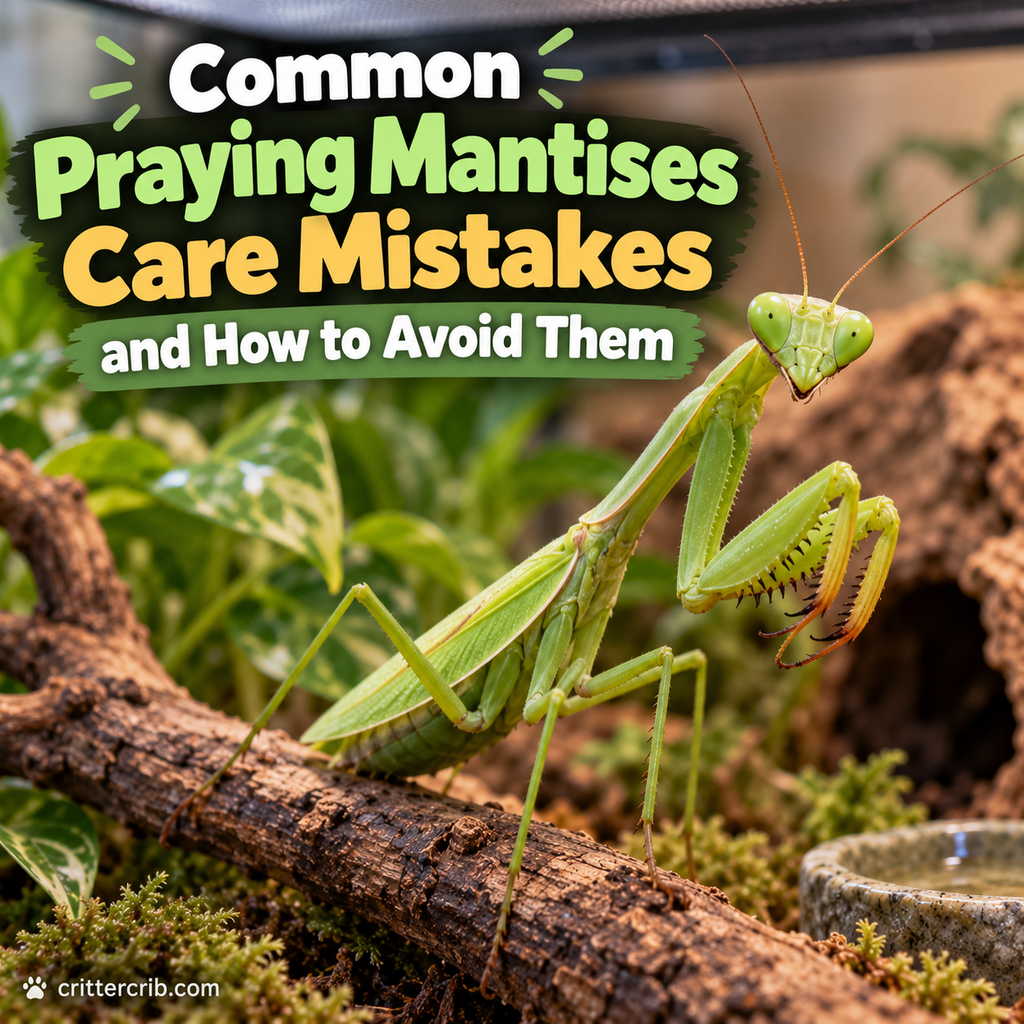
Common Praying Mantis Care Mistakes and How to Avoid Them

Green praying mantis perched on a branch inside a natural terrarium with plants and moss.
Proper enclosure setup, feeding, humidity, ventilation, and safe molting space can help prevent common praying mantis care mistakes.

Praying mantises can seem like easy pets. Give them a container, add a branch, toss in a cricket, and you’re done—right?

Not quite.

Mantises don’t require complicated care, but some of their needs are surprisingly specific. An enclosure that’s too short can interfere with molting. Poor ventilation can create stagnant conditions. Prey that’s too large can injure a mantis, while the wrong temperature or humidity can cause additional problems.

Many praying mantis care mistakes are easy to prevent once you understand how these insects actually live.

Whether you’re raising a tiny nymph or caring for an adult mantis, here are some of the most common mistakes to watch for and what to do instead.

Continue reading “Common Praying Mantis Care Mistakes and How to Avoid Them”

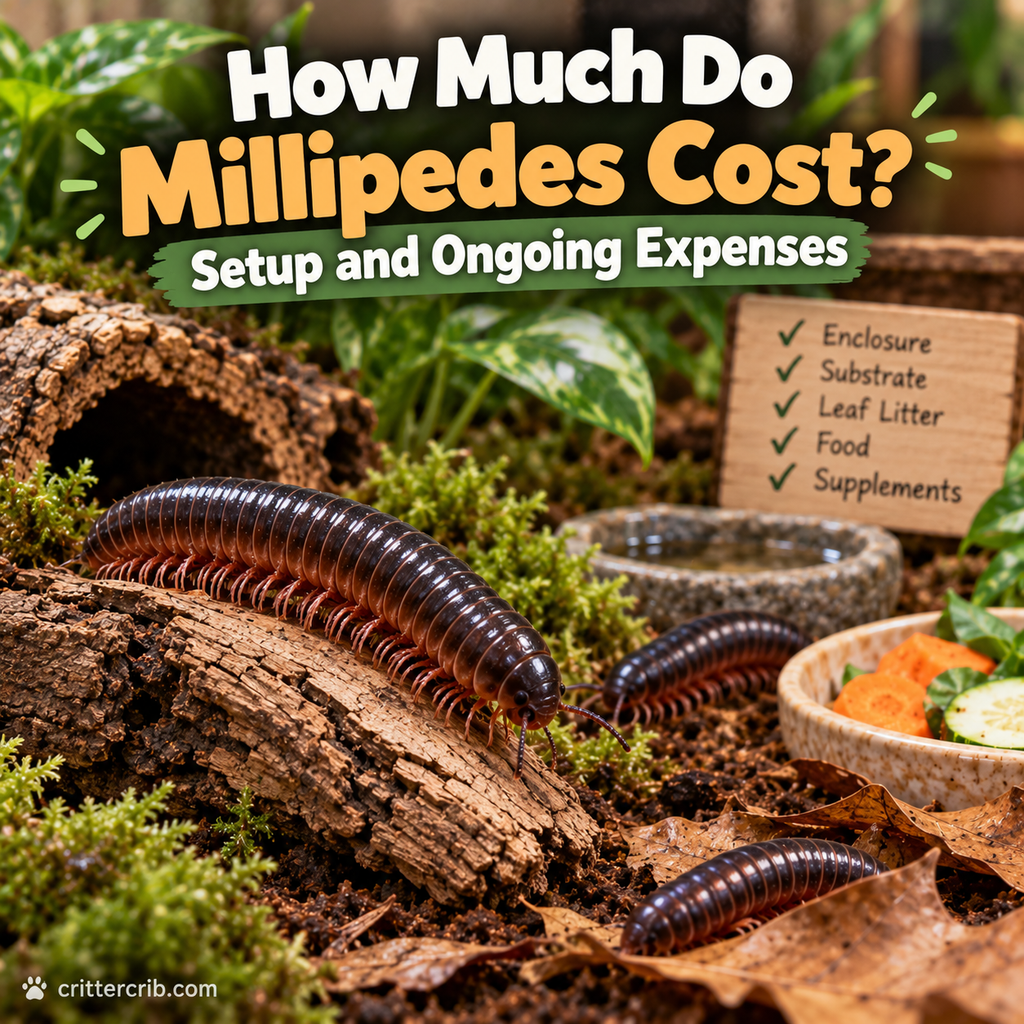
How Much Do Millipedes Cost? Setup and Ongoing Expenses

Pet millipedes in a natural enclosure with substrate, leaf litter, moss, food, water, and hides.
The cost of keeping millipedes includes the animal, enclosure, nutritious substrate, leaf litter, food, calcium, and other basic habitat supplies.

Millipedes can be surprisingly affordable pets. They don’t need huge enclosures, expensive lighting systems, or a freezer full of feeder insects. Once their habitat is established, ongoing costs are usually modest.

But the millipede itself is only part of the price.

You’ll also need an appropriate enclosure, deep substrate, leaf litter, decaying wood, a moisture source, calcium, and a few basic supplies. Depending on the species and how elaborate you want the habitat to be, your initial setup can cost more than the animal.

So, how much do millipedes cost?

Common pet millipedes may cost roughly $10 to $50 each, while larger, less common, or more desirable species can cost considerably more. A basic enclosure might add another $50 to $150 or more to your startup expenses.

Here’s a closer look at what you can expect to spend when keeping millipedes.

Continue reading “How Much Do Millipedes Cost? Setup and Ongoing Expenses”

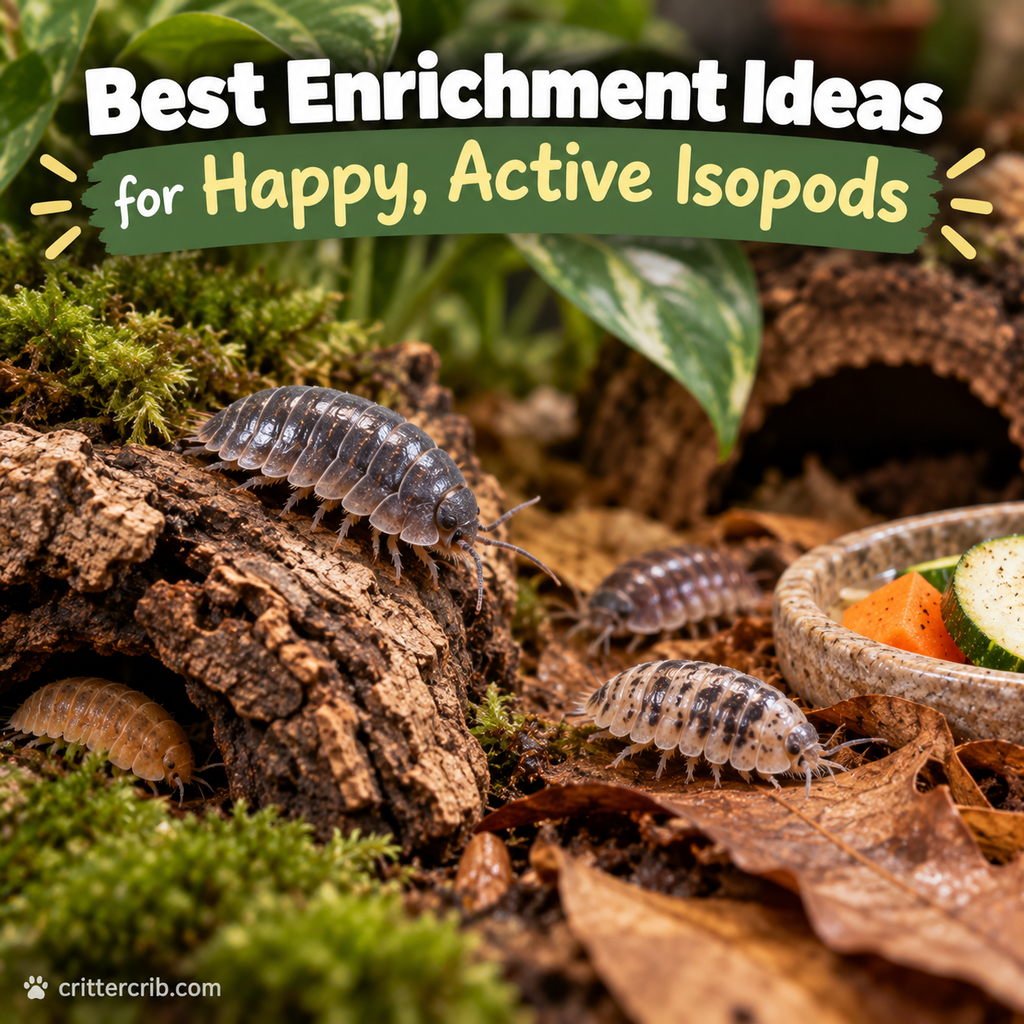
Best Enrichment Ideas for Happy, Active Isopods

Isopods exploring cork bark, moss, leaf litter, and natural enrichment in a terrarium.
Natural enrichment such as cork bark, leaf litter, moss, hiding places, and varied terrain encourages isopods to explore and forage.

Isopods aren’t exactly known for demanding entertainment. You won’t find them chasing toys around their enclosure or waiting at the glass for playtime. But that doesn’t mean their environment should be an empty container with a little substrate and food.

For isopods, enrichment is mostly about creating opportunities to behave naturally.

A well-designed enclosure gives them places to hide, climb, burrow, forage, gather together, and move between different moisture levels. Many of the best enrichment ideas aren’t really “toys” at all. They’re natural materials that make the habitat more complex and interesting.

The good news is that isopod enrichment can be simple and inexpensive. A piece of cork bark, a generous layer of leaves, decaying wood, and varied terrain can transform an ordinary enclosure into a much more naturalistic habitat.

Here’s how to create an enriching setup while still keeping your isopods’ basic care needs front and center.

Continue reading “Best Enrichment Ideas for Happy, Active Isopods”

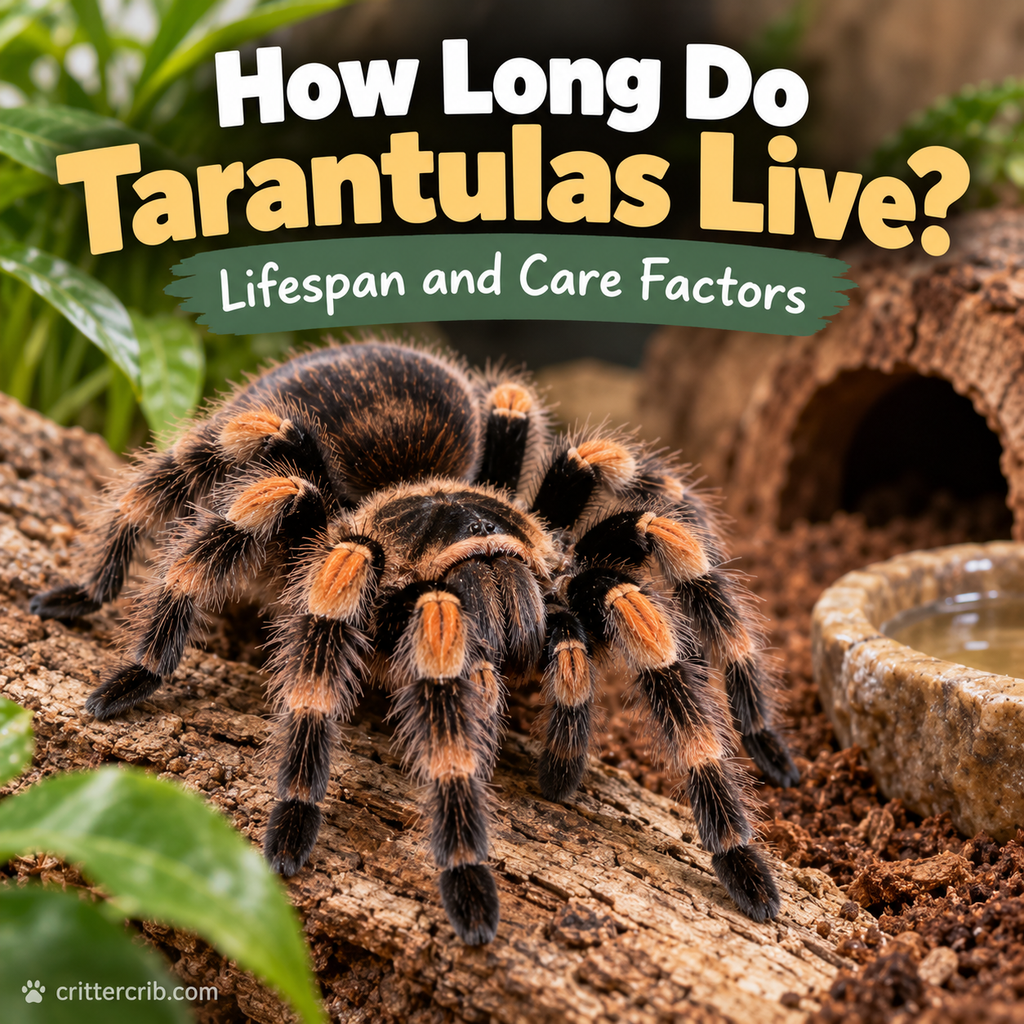
How Long Do Tarantulas Live? Lifespan and Care Factors

Tarantula in a natural terrarium enclosure with substrate, plants, a hide, and water dish.
Tarantula lifespan varies significantly by species and sex, with females of some species living for 20 years or longer.

Tarantulas aren’t usually the first animals that come to mind when you think of long-lived pets. They’re small, don’t require daily walks, and spend a surprising amount of time doing very little. Yet some tarantulas can live for decades.

The catch is that lifespan varies dramatically between males and females.

Female tarantulas generally live much longer than males, with females of some species potentially surviving 20 years or more under good conditions. Males often live only several years because their lifespan is closely tied to reaching sexual maturity.

Species, sex, temperature, diet, hydration, enclosure conditions, and general husbandry can all influence how long a pet tarantula lives.

If you’re considering keeping one—or already have one sitting quietly in an enclosure—here’s what to expect.

Continue reading “How Long Do Tarantulas Live? Lifespan and Care Factors”