Blue-Tongued Skink Behavior Explained: What Common Behaviors Mean

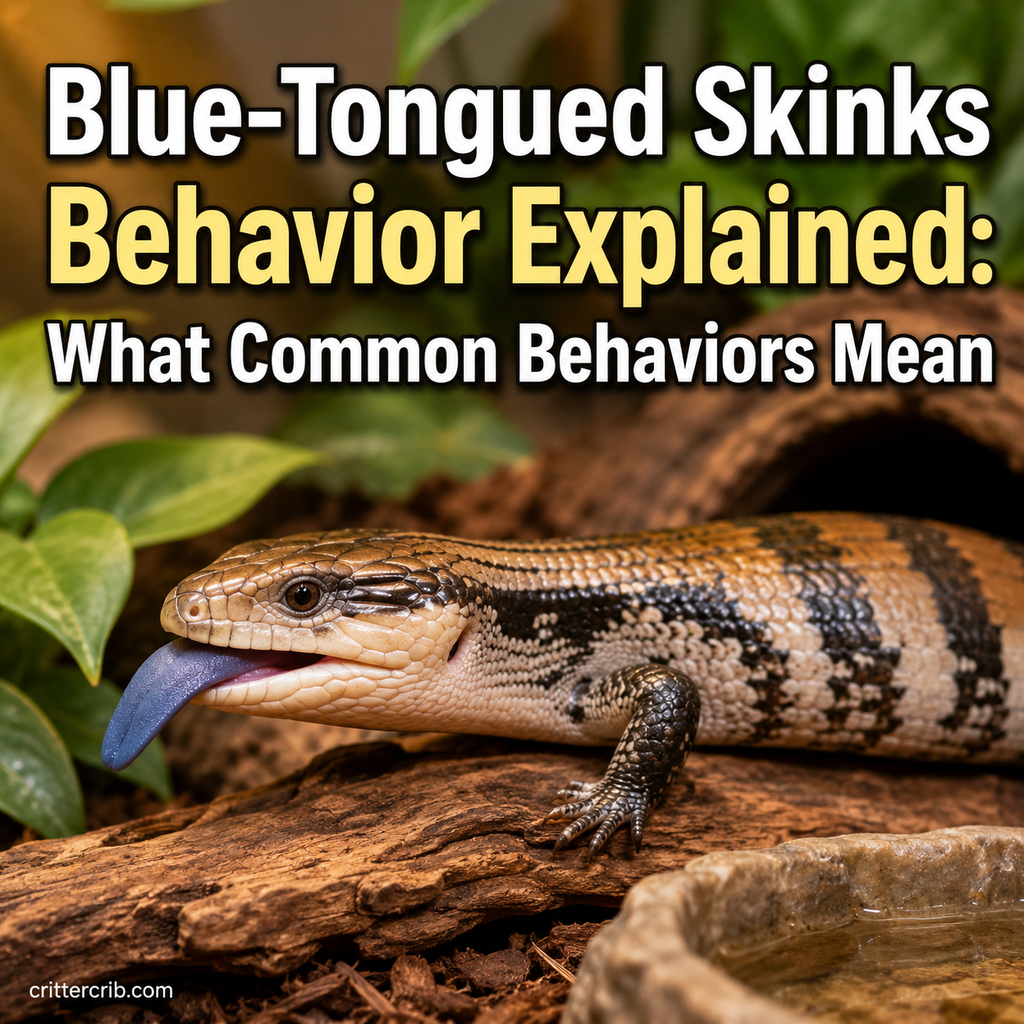
Blue-tongued skink displaying its blue tongue in a naturalistic terrarium.
Understanding common blue-tongued skink behaviors can help owners recognize signs of curiosity, stress, defense, and normal activity.

Blue-tongued skinks can be surprisingly expressive reptiles. They may not bark, chirp for attention, or wag their tails like more familiar pets, but they communicate quite a bit through posture, movement, breathing, appetite, and that unmistakable blue tongue.

For a new owner, some perfectly normal behaviors can look concerning. A skink that spends most of the day hiding might seem unhappy. Hissing can sound aggressive. Burrowing for hours may make you wonder whether something is wrong with the enclosure.

In many cases, these behaviors are simply part of being a blue-tongued skink.

Learning what your skink’s behavior means makes it easier to recognize when your pet is comfortable, stressed, defensive, curious, or potentially unwell. It also helps you understand your individual skink’s personality and normal routine.

This guide explains common blue-tongued skink behaviors, why they happen, and when a change in behavior deserves closer attention.

Continue reading “Blue-Tongued Skink Behavior Explained: What Common Behaviors Mean”

Complete Corn Snake Care Guide: Habitat, Diet, and Daily Care

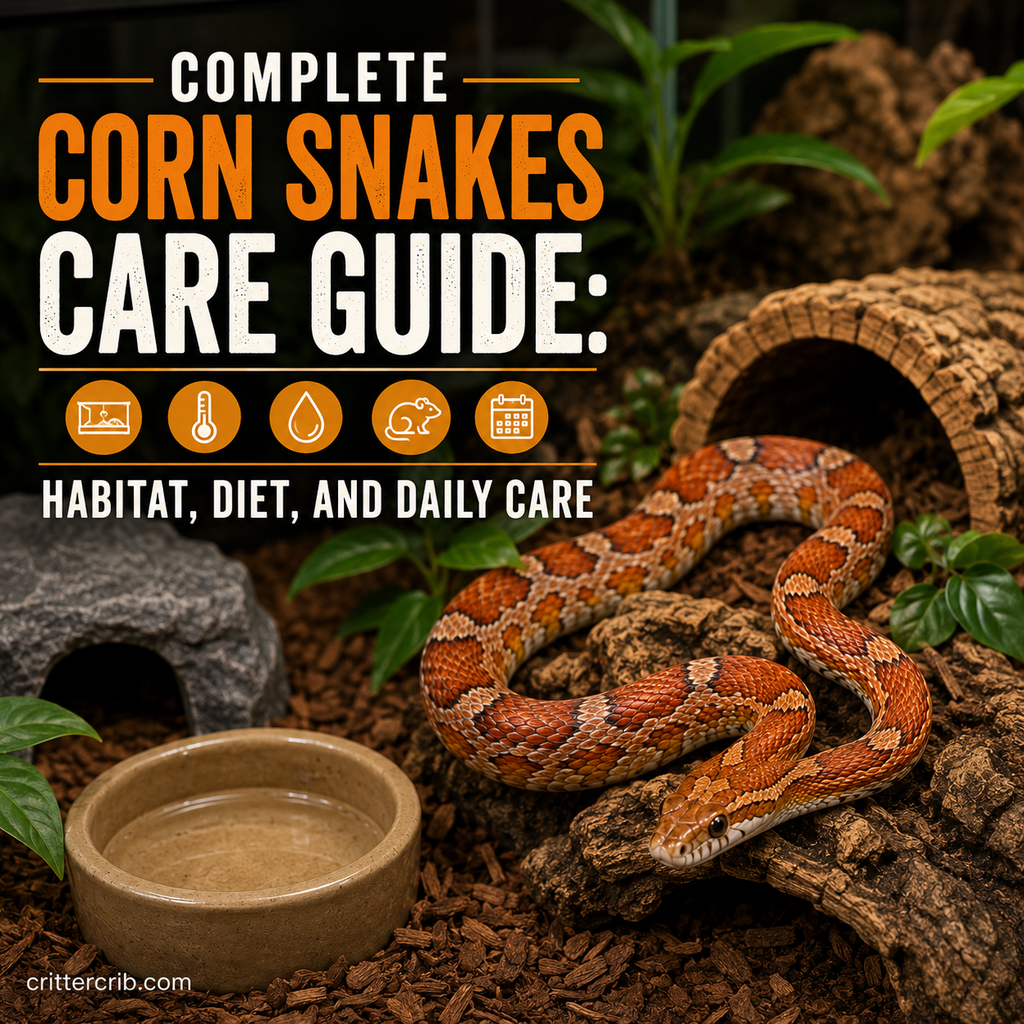
Corn snake in a naturalistic habitat with hides, substrate, plants, climbing areas, and a water bowl
Proper corn snake care starts with a secure habitat, suitable temperatures and humidity, fresh water, appropriate feeding, and plenty of places to hide and explore.

Corn snakes are popular pet snakes for good reason. They’re generally manageable in size, usually adapt well to captivity, and don’t require an overly complicated setup once their basic needs are understood.

That doesn’t mean they’re a “set it and forget it” pet.

A corn snake still needs a secure enclosure, appropriate temperatures, suitable humidity, plenty of places to hide, a balanced feeding routine, fresh water, and regular monitoring. They’re also excellent escape artists, which is something many first-time owners discover a little too late.

The good news is that corn snake care becomes fairly straightforward once the habitat is properly established.

This guide covers the essentials, from setting up the enclosure and choosing substrate to feeding, handling, shedding, cleaning, and recognizing when something may be wrong.

Continue reading “Complete Corn Snake Care Guide: Habitat, Diet, and Daily Care”

Essential Supplies for Ball Pythons: Beginner Checklist

Ball python habitat with essential supplies including hides, substrate, thermostat, thermometer, water bowl, and feeding tongs
A beginner ball python setup should include a secure enclosure, controlled heating, hides, substrate, fresh water, monitoring equipment, and feeding supplies.

Bringing home a ball python is much easier when the enclosure is completely set up before the snake arrives.

The good news is that ball pythons don’t need an endless collection of accessories. They do, however, need a few essentials that work together properly: a secure enclosure, controlled heat, suitable humidity, hiding places, substrate, water, and reliable equipment for monitoring conditions.

Getting those basics right matters far more than filling the habitat with decorative reptile products.

If you’re preparing for your first ball python, use this checklist to figure out what you actually need, what can wait, and which supplies deserve extra attention.

Continue reading “Essential Supplies for Ball Pythons: Beginner Checklist”

How to Clean a Crested Gecko’s Habitat: A Safe Routine

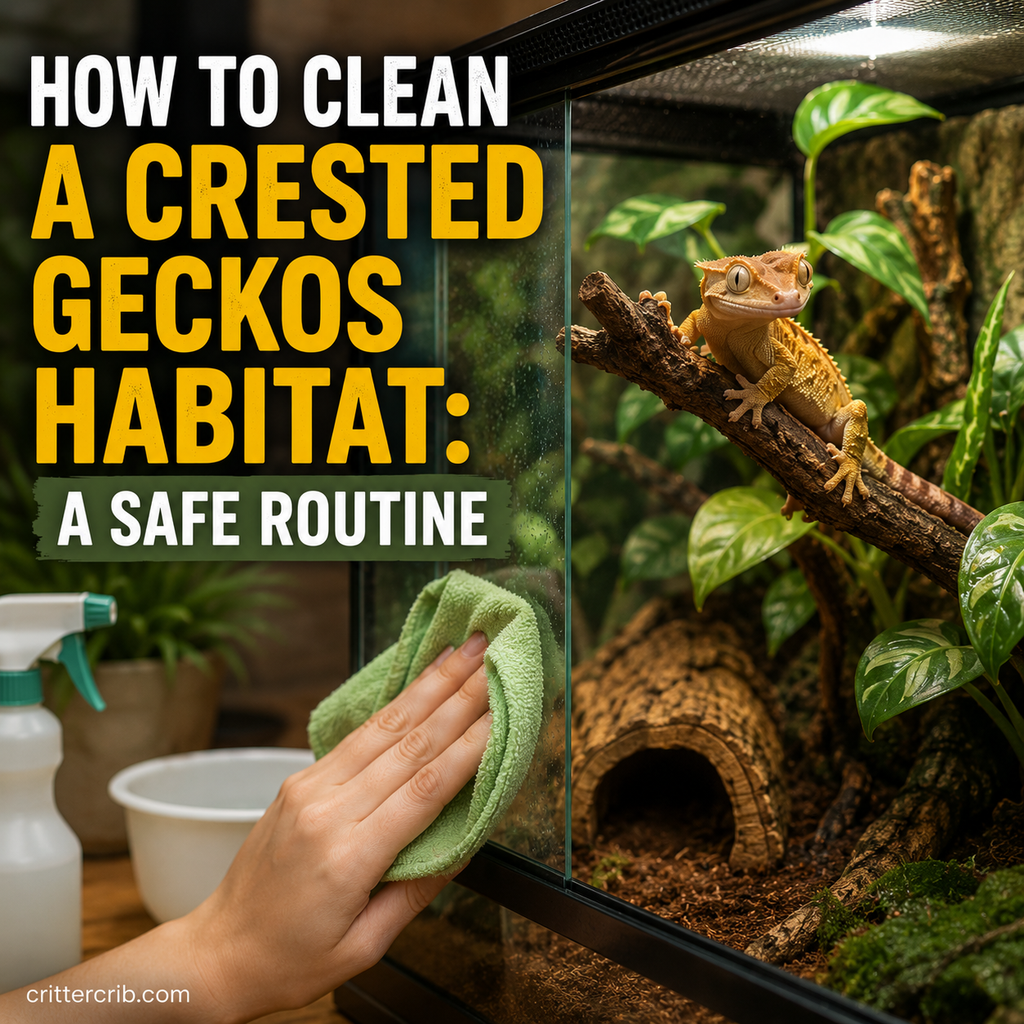
Cleaning a crested gecko habitat safely with the gecko resting on a branch inside its terrarium
Regular spot cleaning and occasional deeper cleaning help keep a crested gecko habitat sanitary without unnecessarily disrupting the enclosure.

A clean crested gecko habitat isn’t supposed to look sterile. In fact, a healthy enclosure will usually contain plants, branches, hides, substrate, and plenty of places where your gecko can climb and explore.

The goal is to keep that environment sanitary without constantly tearing it apart.

For most crested gecko enclosures, a combination of quick daily maintenance, regular cleaning of food and water dishes, and occasional deeper cleaning works much better than waiting until the habitat looks dirty.

The routine also depends on your setup. A traditional enclosure with replaceable substrate requires different maintenance than a bioactive habitat containing live plants and a cleanup crew.

Here’s how to clean a crested gecko habitat safely while keeping disruption to your gecko to a minimum.

Continue reading “How to Clean a Crested Gecko’s Habitat: A Safe Routine”

How Much Space Do Leopard Geckos Need? Housing Size Guide

Leopard gecko in a spacious terrarium showing recommended enclosure size and housing setup
A properly sized leopard gecko enclosure provides enough floor space for warm and cool zones, multiple hides, and natural exploration.

Leopard geckos may be small reptiles, but that doesn’t mean they should live in tiny enclosures.

A good leopard gecko habitat needs enough room for more than simply turning around and finding a food dish. Your gecko needs space to move between warm and cool areas, use multiple hides, explore at night, and choose the conditions that feel comfortable at any given moment.

For most adult leopard geckos, an enclosure with roughly a 36-by-18-inch footprint is an excellent target. Smaller enclosures have traditionally been used, but providing more usable floor space makes it much easier to create a proper temperature gradient and a more interesting environment.

The enclosure itself is only part of the equation, though. How you arrange that space matters just as much.

Here’s how to choose the right leopard gecko enclosure size and turn that space into a functional habitat.

Continue reading “How Much Space Do Leopard Geckos Need? Housing Size Guide”

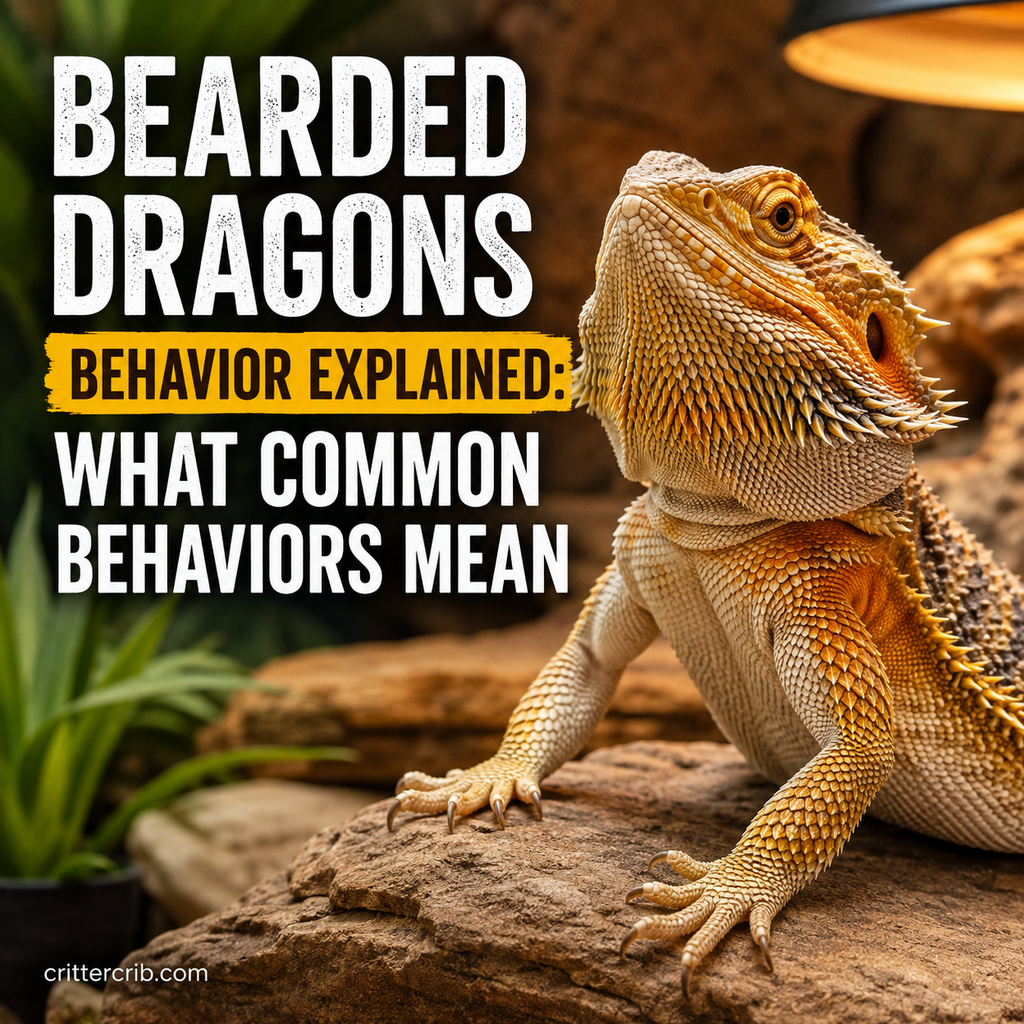
Bearded Dragon Behavior Explained: What Common Behaviors Mean

Bearded dragon behavior explained with a bearded dragon in a natural terrarium setting
Common bearded dragon behaviors can provide clues about communication, stress, temperature regulation, breeding instincts, and overall well-being.

Bearded dragons are often described as calm, easygoing reptiles, but that doesn’t mean they’re boring. Spend enough time around one and you’ll notice head bobbing, arm waving, glass surfing, digging, puffing up, changing colors, and plenty of intense staring.

Some of these behaviors are simple forms of communication. Others are connected to temperature, breeding instincts, shedding, stress, or the way a bearded dragon interacts with its surroundings.

Learning what your bearded dragon’s behavior means can make everyday care much easier. It helps you recognize when your dragon is comfortable, when something in the enclosure needs attention, and when a behavior may be worth discussing with a reptile veterinarian.

Here are some of the most common bearded dragon behaviors and what may be behind them.

Continue reading “Bearded Dragon Behavior Explained: What Common Behaviors Mean”
Best Enrichment Ideas for Happy, Active Turtles

Pet turtle exploring an enriched habitat with plants, swimming space, basking area, food, and natural features
A well-designed habitat gives turtles opportunities to swim, forage, explore, bask, climb, and perform other natural behaviors.

A turtle may not chase a ball or beg for a walk, but that doesn’t mean it wants to spend every day doing exactly the same thing.

Turtles explore, forage, climb, dig, investigate unfamiliar objects, search for food, and interact with different parts of their environment. A bare enclosure might provide the basics needed for survival, but a thoughtfully designed habitat gives a turtle more opportunities to behave naturally.

That’s where enrichment comes in.

Turtle enrichment doesn’t need to involve expensive toys or complicated activities. Often, the best enrichment comes from improving the habitat, changing how food is presented, and giving your turtle safe opportunities to investigate its surroundings.

Here are some of the best enrichment ideas for keeping pet turtles active and engaged.

Continue reading “Best Enrichment Ideas for Happy, Active Turtles”

How Long Do Tortoises Live? Lifespan and Care Factors

Pet tortoise in a natural habitat illustrating tortoise lifespan and important long-term care factors
Many tortoise species can live for 50 years or longer, making proper diet, housing, UVB, temperature, and long-term planning especially important.

Bringing home a tortoise is very different from adopting most other pets. With proper care, some tortoises can live for many decades—and certain species may even outlive their owners.

So, how long do tortoises live?

Many commonly kept pet tortoises can live for 50 years or longer, while some species have the potential to reach 80, 100, or even more years under favorable conditions. Exactly how long an individual tortoise lives depends on its species, genetics, environment, nutrition, veterinary care, and overall husbandry.

That extraordinary lifespan is one of the things that makes tortoises fascinating. It’s also why getting one shouldn’t be an impulsive decision.

Here’s what prospective and current owners should know about tortoise lifespan and the care factors that can influence how long these reptiles live.

Continue reading “How Long Do Tortoises Live? Lifespan and Care Factors”

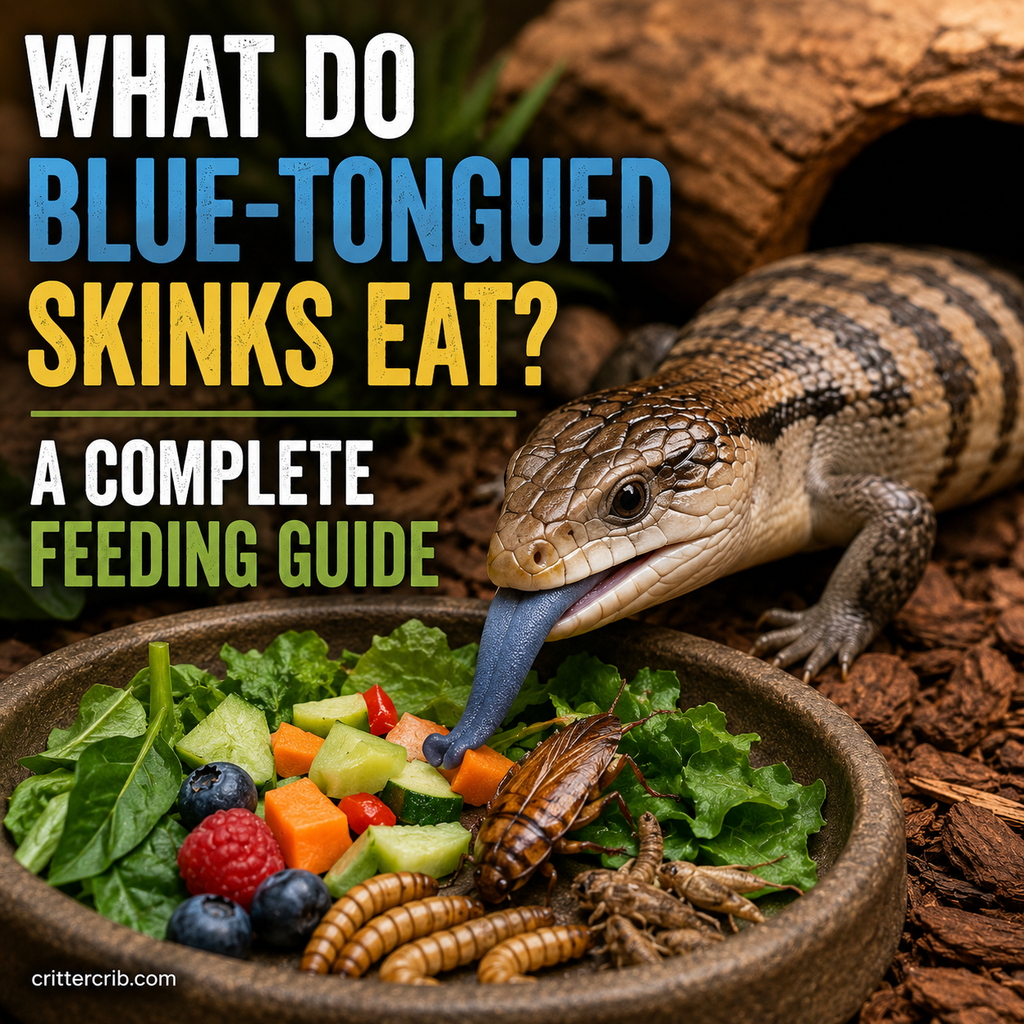
What Do Blue-Tongued Skinks Eat? A Complete Feeding Guide

Blue-tongued skink eating vegetables, greens, fruit and insects as part of a balanced diet
Blue-tongued skinks are omnivores that benefit from a varied diet of nutritious plant foods and appropriate animal-based proteins.

Blue-tongued skinks have an appetite that can make feeding time one of the most entertaining parts of owning one. They’re omnivores, which means their diet includes both animal-based foods and plant matter.

That flexibility is convenient, but it can also make their diet confusing.

What should go into the bowl? How much protein does a blue-tongued skink need? Can it eat fruit? And how often should an adult skink actually be fed?

A healthy diet is about more than finding foods your skink is willing to eat. Variety, portion size, calcium, age, and overall nutritional balance all matter.

This guide covers what blue-tongued skinks eat, how their diet changes as they grow, foods you can offer regularly or occasionally, and common feeding mistakes to avoid.

Continue reading “What Do Blue-Tongued Skinks Eat? A Complete Feeding Guide”

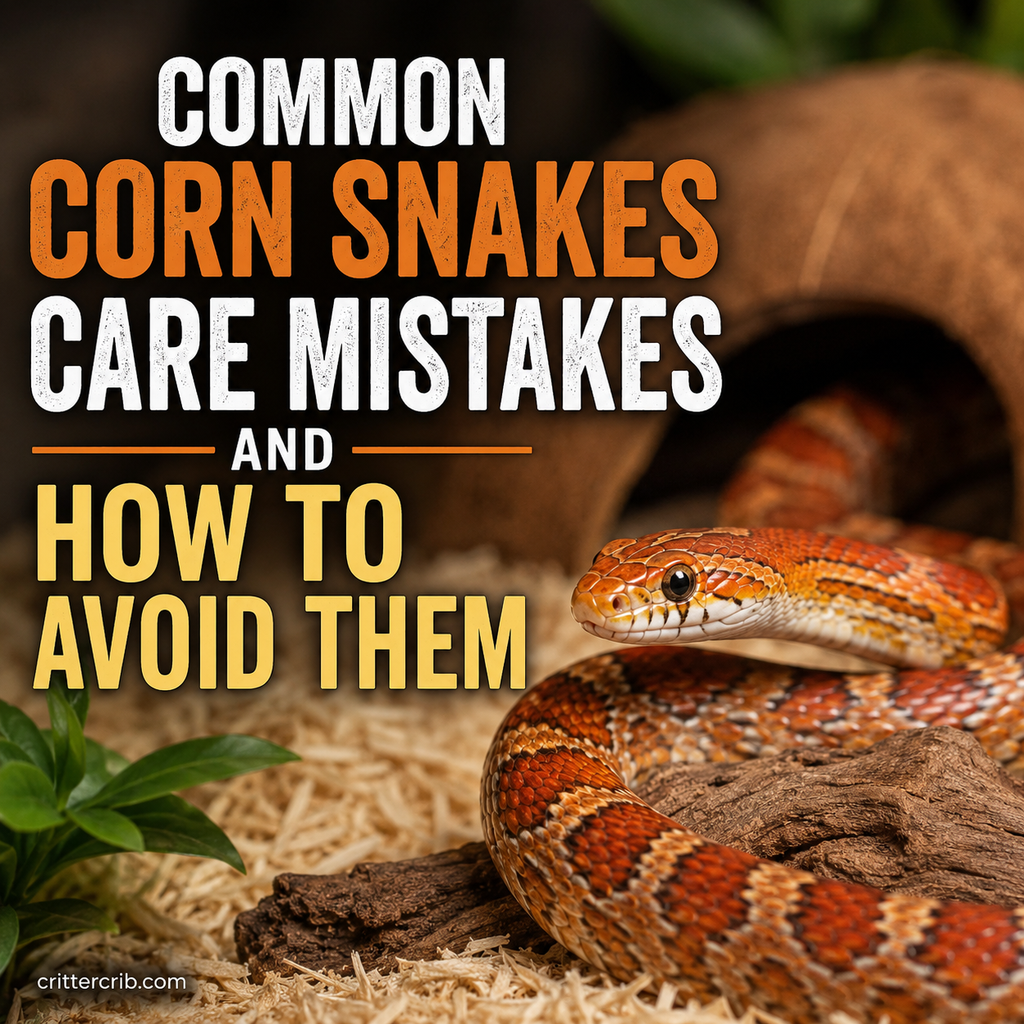
Common Corn Snake Care Mistakes and How to Avoid Them

Corn snake in a natural enclosure illustrating common corn snake care mistakes and how to avoid them
Avoiding common mistakes with heating, humidity, feeding, handling, and enclosure setup can help keep your corn snake healthy.

Corn snakes are often recommended as beginner-friendly reptiles, and for good reason. They’re generally calm, manageable in size, and easier to care for than many exotic pets.

But “beginner-friendly” doesn’t mean their care is foolproof.

Many corn snake health and behavior problems can be traced back to fairly simple husbandry mistakes: incorrect temperatures, poor humidity management, feeding too often, an insecure enclosure, or overlooking subtle signs that something isn’t right.

The good news is that most of these problems are preventable.

Whether you’re preparing for your first corn snake or trying to improve your current setup, here are some of the most common corn snake care mistakes and what to do instead.

Continue reading “Common Corn Snake Care Mistakes and How to Avoid Them”