
How Much Do Ball Pythons Cost? Setup and Ongoing Expenses

Ball python beside an enclosure and cost checklist illustrating setup and ongoing ownership expenses
The ball python itself may be affordable, but a proper enclosure, heating, thermostat, food, supplies, and veterinary care all contribute to the true cost of ownership.

Ball pythons have a reputation for being relatively affordable reptiles, and the snake itself often is.

The enclosure is where the real spending begins.

A typical ball python may cost around $50–$150, while certain morphs can cost several hundred dollars or considerably more. Once you add an appropriately sized enclosure, heating, thermostat, hides, substrate, monitoring equipment, food, and veterinary care, the total cost of getting started can easily reach several hundred dollars.

Then there are ongoing expenses.

The good news is that a healthy adult ball python generally isn’t an especially expensive animal to feed. Once you have a quality enclosure set up correctly, routine monthly costs can be fairly manageable.

Here’s what you should realistically budget before bringing one home.

Continue reading “How Much Do Ball Pythons Cost? Setup and Ongoing Expenses”

Best Enrichment Ideas for Happy, Active Crested Geckos

Crested gecko climbing a branch in an enriched enclosure with plants, foliage, and hiding areas
Branches, plants, hides, vines, and other enrichment give crested geckos opportunities to climb, explore, hide, and display natural behaviors.

A crested gecko enclosure needs more than food, water, and somewhere to sleep.

In the wild, crested geckos spend their nights climbing through vegetation, navigating branches, searching for food, and exploring their surroundings. A captive gecko doesn’t need to hunt for survival, but it can still benefit from opportunities to move, investigate, climb, hide, and make choices.

That’s where enrichment comes in.

Good enrichment doesn’t mean constantly handling your gecko or filling the enclosure with complicated toys. In fact, some of the best enrichment comes from simply designing the habitat around natural crested gecko behavior.

Here are practical ways to make your crested gecko’s environment more interesting while keeping safety and comfort first.

Continue reading “Best Enrichment Ideas for Happy, Active Crested Geckos”

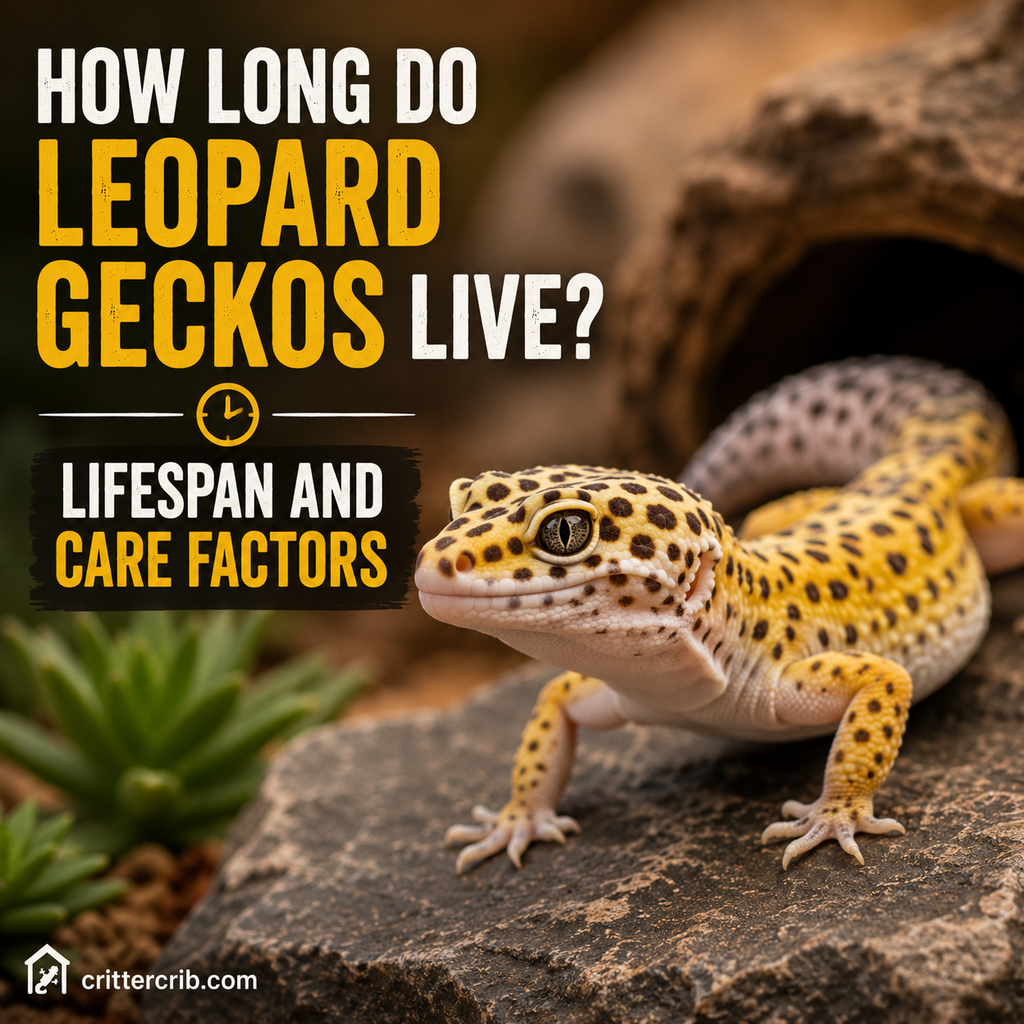
How Long Do Leopard Geckos Live? Lifespan and Care Factors

Leopard gecko in a naturalistic terrarium illustrating leopard gecko lifespan and care
Leopard geckos commonly live around 10–20 years in captivity, and some can live even longer with consistent, appropriate care.

Leopard geckos may be small, but bringing one home can be a surprisingly long commitment.

With proper care, a leopard gecko can live for many years—often considerably longer than new reptile owners expect.

In captivity, leopard geckos commonly live around 10–20 years, although lifespan varies from one animal to another. Some well-cared-for individuals can reach or exceed 20 years.

That’s a big difference from treating a leopard gecko as a short-term starter pet.

Genetics play a role in longevity, but everyday care matters too. Diet, heating, supplementation, enclosure conditions, body weight, stress, and access to veterinary care can all influence how well a gecko ages.

Here’s what to expect from a leopard gecko’s lifespan and what you can do to give yours the best chance at a long, healthy life.

Continue reading “How Long Do Leopard Geckos Live? Lifespan and Care Factors”

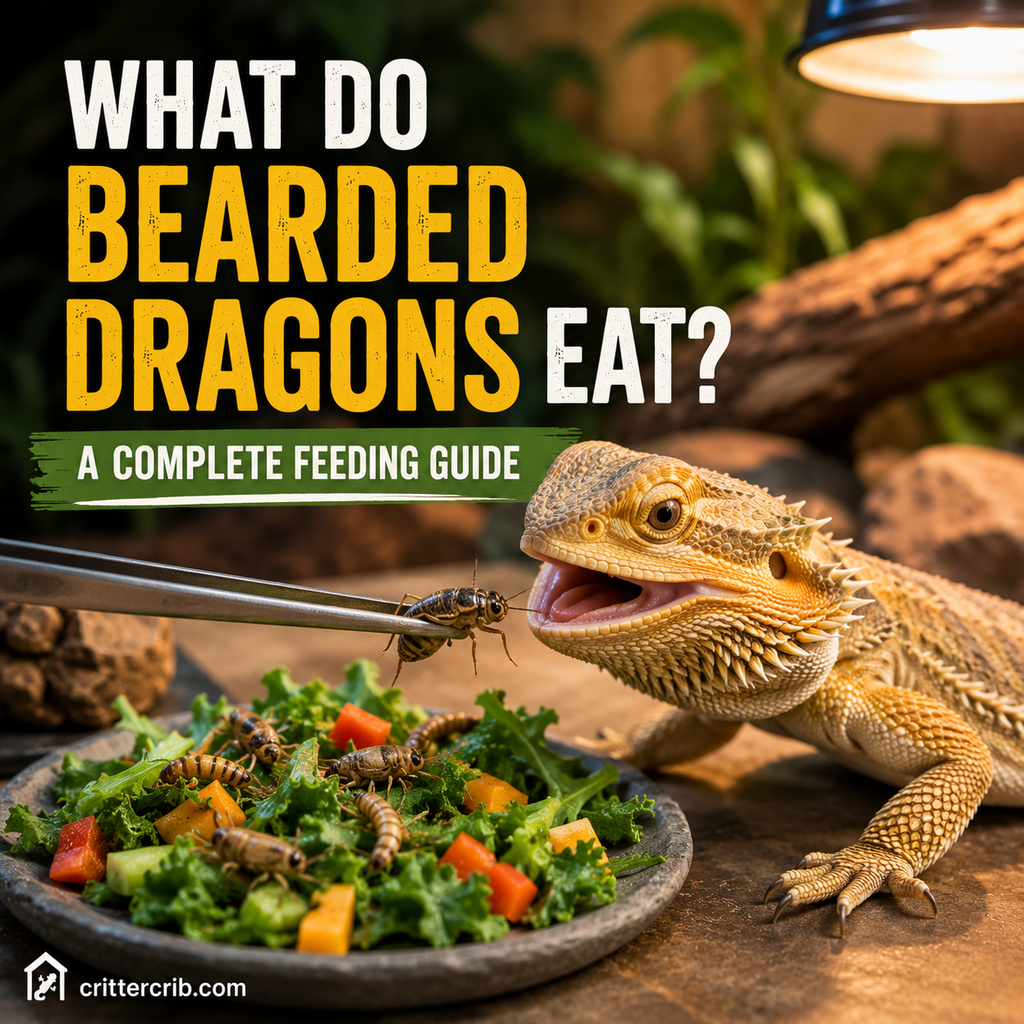
What Do Bearded Dragons Eat? A Complete Feeding Guide

Bearded dragon eating insects alongside a bowl of leafy greens and vegetables
Bearded dragons eat a varied diet of live insects, leafy greens, and vegetables, with the balance changing as they grow from juveniles into adults.

Bearded dragons aren’t picky-looking animals. Put something interesting in front of them and there’s a good chance they’ll investigate it, lick it, or try to eat it.

That doesn’t mean everything they’ll eat is good for them.

A healthy bearded dragon diet includes both animal and plant foods, but the balance changes significantly as the dragon grows. Young bearded dragons need more protein to support rapid growth, while adults should get a much larger portion of their diet from leafy greens and vegetables.

Variety matters too. Feeding the same insect or vegetable every day isn’t the best way to provide balanced nutrition.

So, what should your bearded dragon actually eat?

Here’s how to build a practical feeding routine from the juvenile stage through adulthood.

Continue reading “What Do Bearded Dragons Eat? A Complete Feeding Guide”

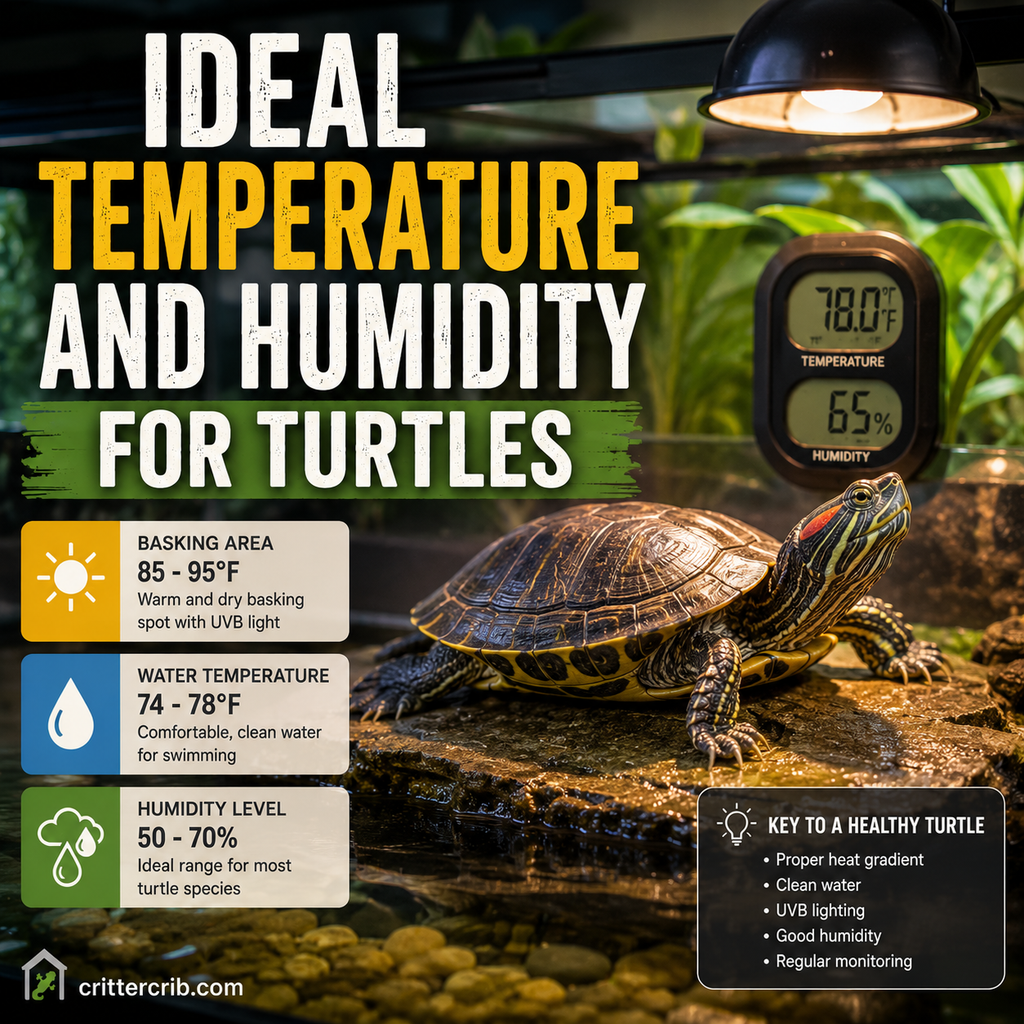
Ideal Temperature and Humidity for Turtles

Turtle basking in a habitat with temperature and humidity monitoring
Proper water temperature, a warm basking area, UVB lighting, and species-appropriate humidity help turtles regulate their body temperature and stay healthy.

Getting the temperature right is one of the most important parts of keeping a pet turtle healthy. Humidity matters too, although exactly how much depends heavily on the type of turtle you’re keeping and whether it’s aquatic, semi-aquatic, or primarily terrestrial.

That’s the first thing every turtle owner should understand: there isn’t one perfect temperature and humidity level that works for every turtle.

A red-eared slider has different environmental needs from a box turtle. Even turtles that appear similar may come from very different habitats.

Still, there are useful starting points.

Many commonly kept aquatic turtles need water in roughly the mid-70s°F, along with a much warmer, completely dry basking area. Terrestrial and semi-terrestrial turtles often require more attention to substrate moisture and humidity.

Here’s how to create the right environment without getting lost in the numbers.

Continue reading “Ideal Temperature and Humidity for Turtles”

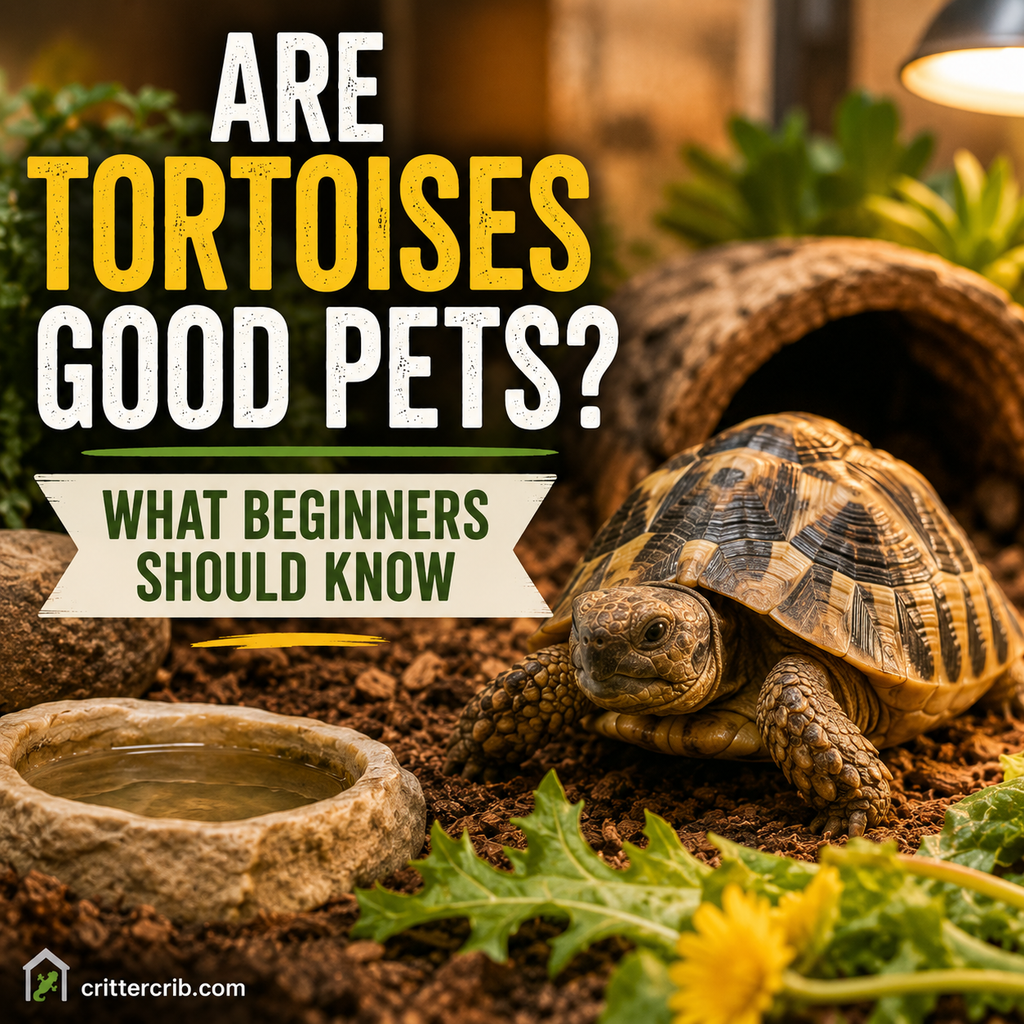
Are Tortoises Good Pets? What Beginners Should Know

Pet tortoise in a naturalistic enclosure with water, greens, hide, and basking light
Tortoises can make fascinating pets, but beginners should be prepared for specialized housing, UVB, proper nutrition, plenty of space, and decades of care.

Tortoises can make fascinating pets. They’re quiet, don’t need daily walks, and can become surprisingly confident and curious around the people who care for them.

They’re also a much bigger commitment than their slow-moving appearance might suggest.

Depending on the species, a tortoise may live for several decades, require a large enclosure, need specialized heating and UVB lighting, and eventually become much larger than the tiny animal you first brought home.

So, are tortoises good pets?

For the right person, absolutely. But they’re not necessarily easy or low-maintenance pets, and they’re definitely not a good choice for someone looking for a short-term commitment.

Before getting one, here’s what beginners should know.

Continue reading “Are Tortoises Good Pets? What Beginners Should Know”

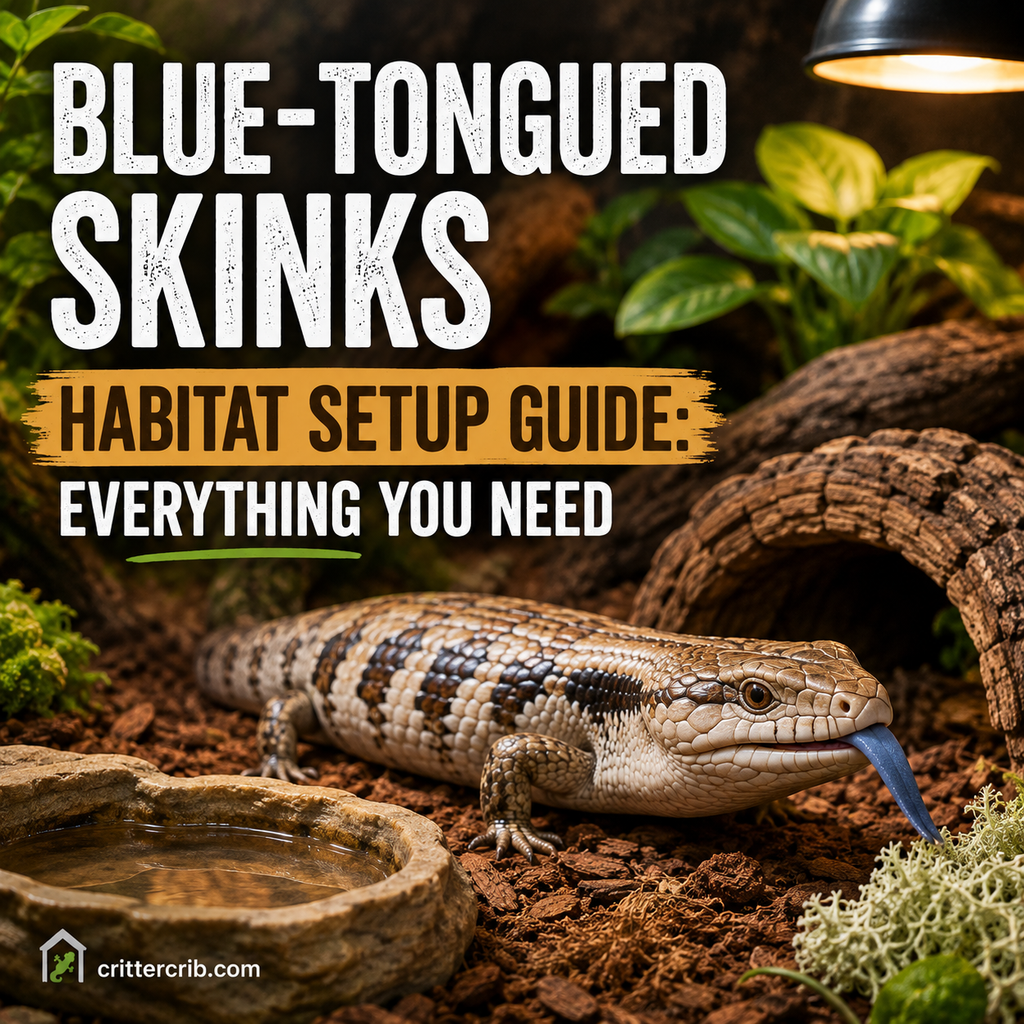
Blue-Tongued Skink Habitat Setup Guide: Everything You Need

Blue-tongued skink in a naturalistic habitat with substrate, hide, plants, water, and basking light
A well-designed blue-tongued skink habitat provides plenty of floor space, proper heating and UVB, deep substrate, secure hides, water, and enrichment.

Blue-tongued skinks are sturdy, curious reptiles with one feature that’s impossible to miss: that brilliant blue tongue.

They’re also fairly large, ground-dwelling lizards. That means setting up a blue-tongued skink habitat requires more space and equipment than putting together a small gecko enclosure.

A good setup needs room to explore, a proper temperature gradient, UVB lighting, suitable humidity, deep substrate, secure hiding places, and plenty of enrichment.

There’s another important consideration, too. “Blue-tongued skink” describes several species and subspecies, and they don’t all have identical husbandry requirements. An Indonesian blue-tongued skink, for example, generally requires higher humidity than an Australian species.

So before buying equipment, find out exactly which type of blue-tongued skink you have.

Once you know that, you can build the habitat around its specific needs.

Continue reading “Blue-Tongued Skink Habitat Setup Guide: Everything You Need”

How to Tell if Your Corn Snake Is Happy and Comfortable

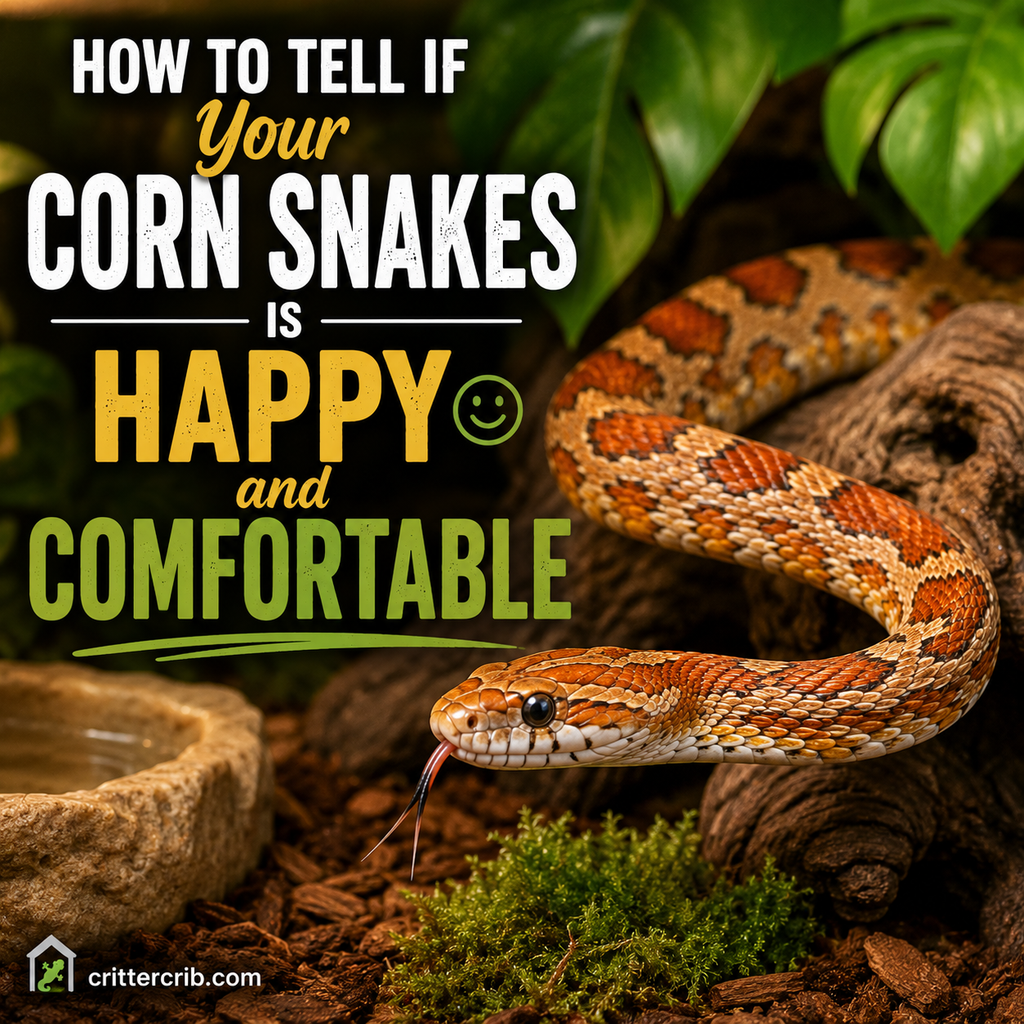
Happy and comfortable corn snake calmly exploring a naturalistic enclosure
Calm exploration, normal tongue flicking, healthy feeding, and relaxed body language can all indicate that a corn snake feels secure and comfortable.

Corn snakes don’t wag their tails when they’re excited to see you or curl up beside you when they’re content. That can make it difficult for new snake owners to know whether their pet is actually happy.

With snakes, “happy” is better understood as comfortable, secure, healthy, and relatively free from stress.

A comfortable corn snake generally eats normally, explores its surroundings, uses different areas of its enclosure, sheds successfully, and doesn’t spend most of its time displaying defensive or frantic behavior.

The trick is learning what’s normal for your individual snake.

Here’s what to watch for and how to tell whether your corn snake is comfortable in its home.

Continue reading “How to Tell if Your Corn Snake Is Happy and Comfortable”

How to Handle Ball Pythons Safely and Build Trust

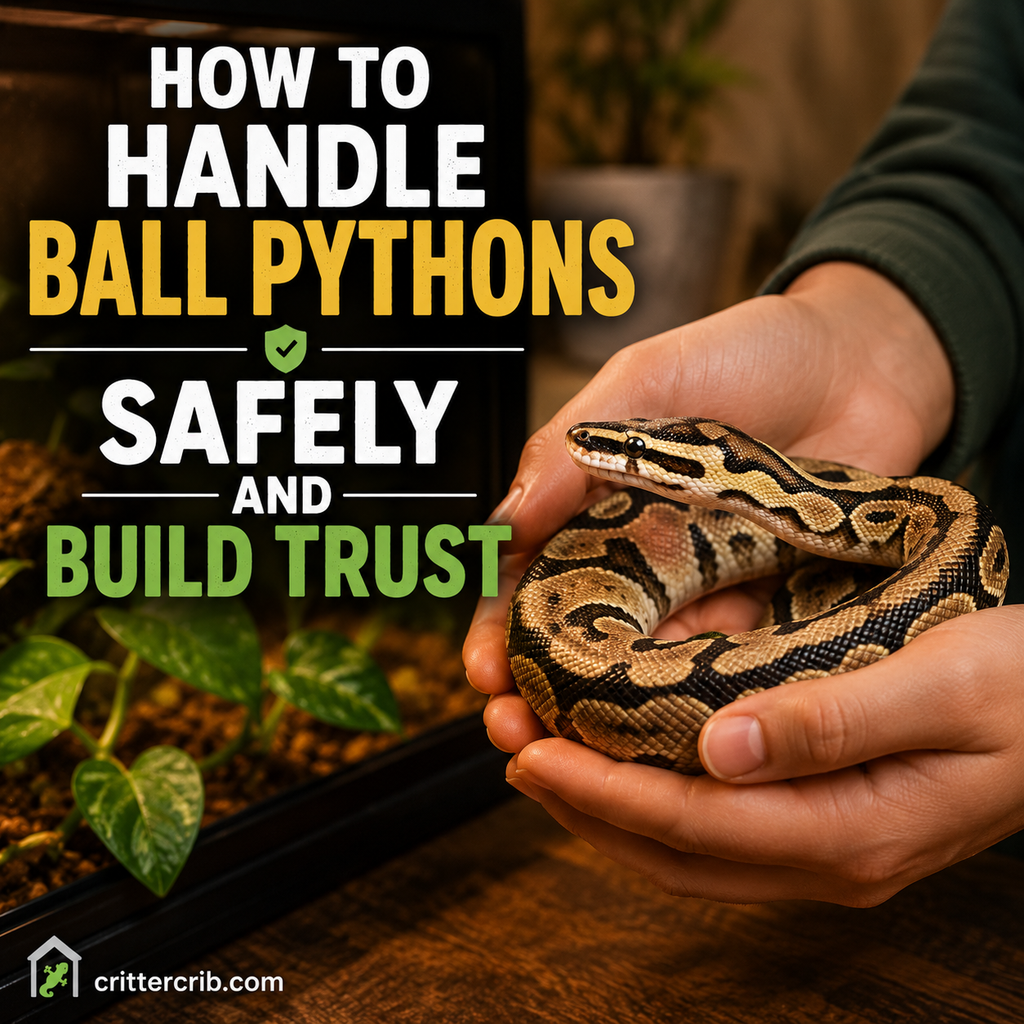
Person safely handling a ball python with both hands while building trust
Proper handling helps a ball python become accustomed to calm, predictable interactions while keeping the snake supported and secure.

Ball pythons are known for their calm personalities, manageable size, and tendency to tolerate handling well. But even a naturally docile snake needs time to become comfortable with a new home and the person caring for it.

Building trust with a ball python isn’t quite the same as bonding with a dog or cat. Snakes experience interactions differently. Your goal is to help your ball python learn that your presence and handling aren’t threats.

That happens through patience, predictable interactions, and proper handling.

Whether you’ve just brought home your first ball python or you’re trying to make an established snake more comfortable around you, here’s how to handle a ball python safely while keeping stress to a minimum.

Continue reading “How to Handle Ball Pythons Safely and Build Trust”

Ideal Temperature and Humidity for Crested Geckos

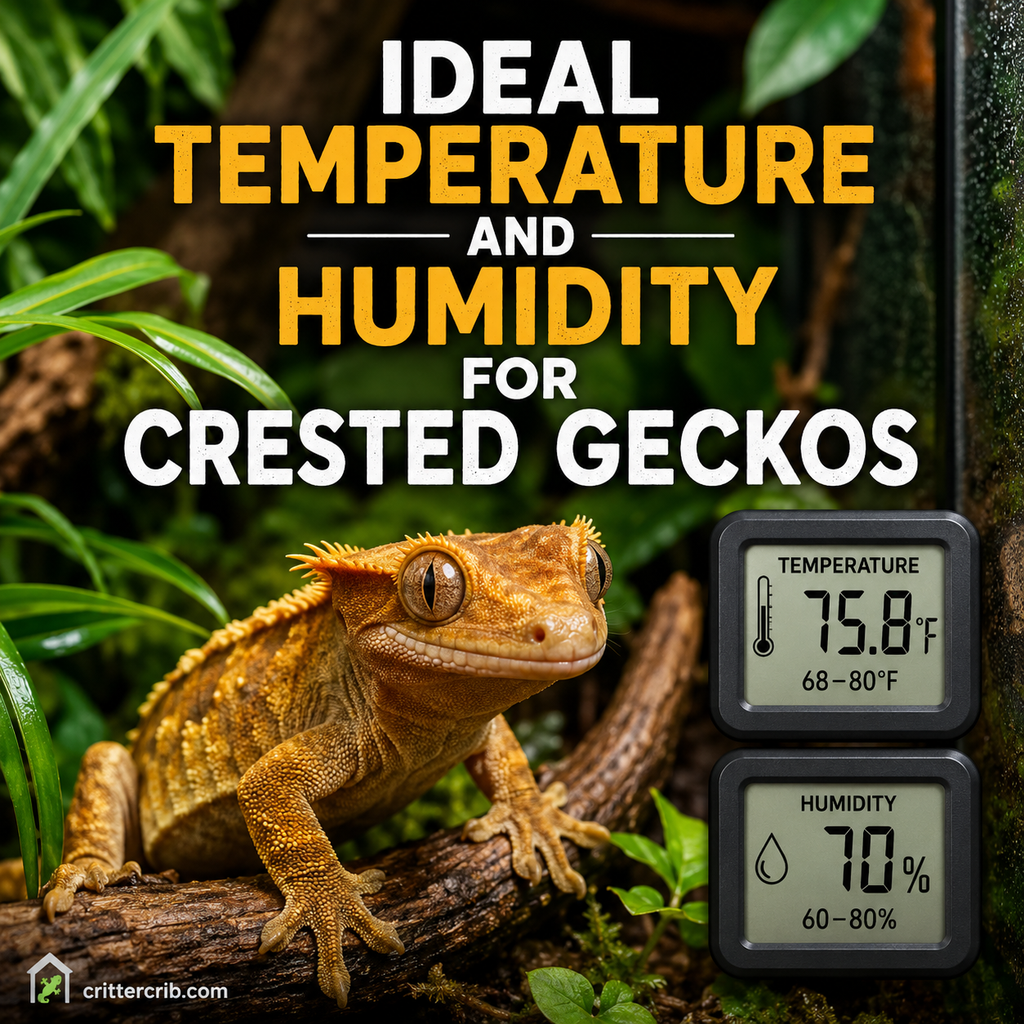
Crested gecko in a terrarium showing ideal temperature and humidity levels
Ideal temperature and humidity conditions help keep crested geckos comfortable, hydrated, and healthy.

Getting the temperature and humidity right is one of the most important parts of keeping a crested gecko healthy. Fortunately, crested geckos don’t require the intense heat that many other reptiles do. Their needs are relatively moderate, which is one reason they’re often considered beginner-friendly reptiles.

That doesn’t mean you can simply put a crested gecko in a room-temperature enclosure and forget about the environment, though.

Crested geckos are ectothermic, meaning they depend on their surroundings to regulate their body temperature. They also come from the humid forests of New Caledonia, so moisture plays an important role in hydration, shedding, and overall health.

The goal isn’t to keep the enclosure at one exact temperature and humidity level around the clock. Instead, you want to create natural fluctuations, including a temperature gradient and a humidity cycle that rises after misting and falls as the enclosure dries.

Here’s how to get those conditions right.

Continue reading “Ideal Temperature and Humidity for Crested Geckos”