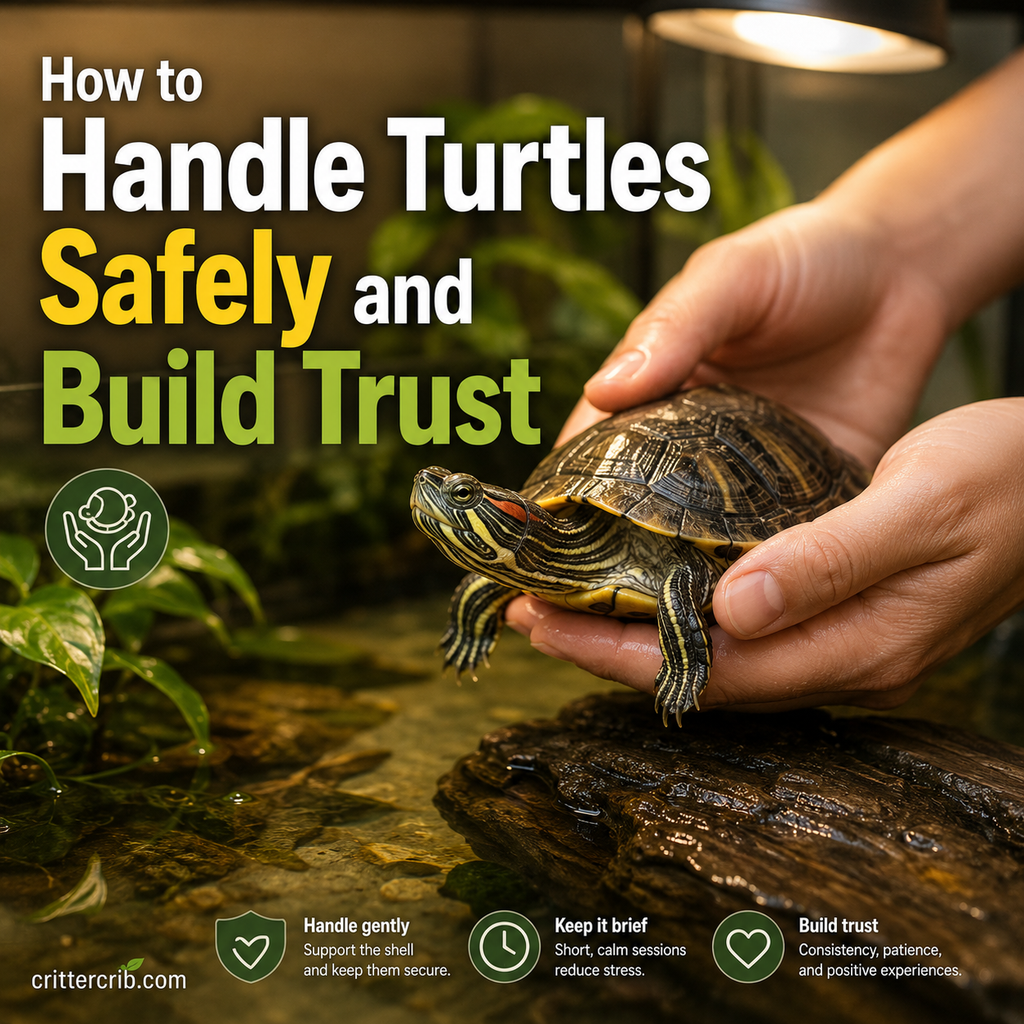
How to Handle Turtles Safely and Build Trust

Pet turtle being gently supported with both hands during safe handling
Safe turtle handling means supporting the shell and body securely, keeping interactions brief, and allowing trust to develop gradually without forcing physical contact.

Turtles aren’t typically pets that want to be picked up and cuddled. Even a turtle that’s completely comfortable around its owner may prefer keeping all four feet on a solid surface.

That doesn’t mean you can’t build trust with one.

Over time, many pet turtles learn that their keeper isn’t a threat. They may approach when you enter the room, remain relaxed during routine care, take food comfortably in your presence, and tolerate necessary handling without immediately retreating into their shell.

The key is understanding handling from the turtle’s perspective. Rather than trying to make your turtle enjoy being held, focus on making interactions predictable, gentle, and as stress-free as possible.

Here’s how to do it safely.

Continue reading “How to Handle Turtles Safely and Build Trust”
Ideal Temperature and Humidity for Tortoises

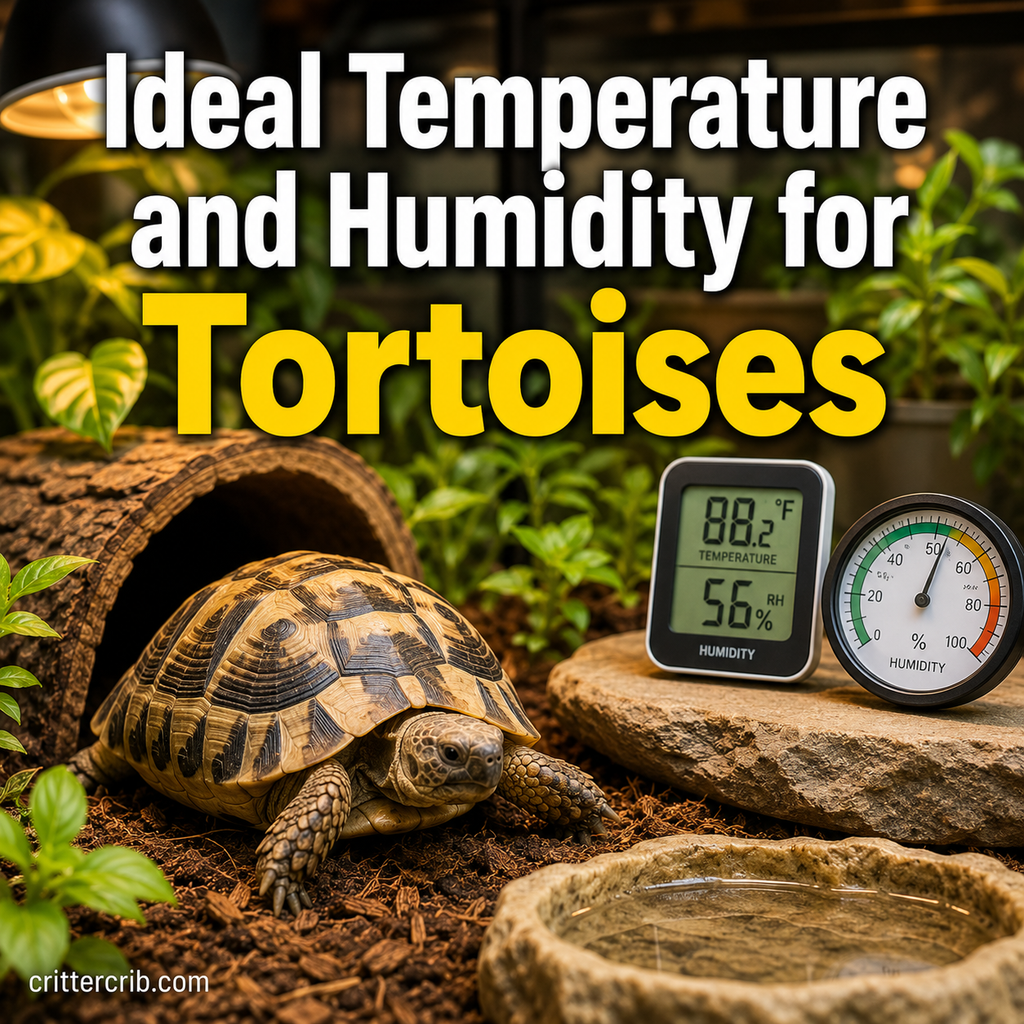
Tortoise enclosure with thermometer and hygrometer for monitoring temperature and humidity
The right temperature and humidity depend on your tortoise’s species and age, making reliable thermometers and hygrometers essential for maintaining a healthy habitat.

Getting the temperature and humidity right is one of the most important parts of keeping a tortoise healthy. Unfortunately, it’s also an area where generic advice can cause problems.

There isn’t one perfect temperature or humidity level for every tortoise.

A sulcata from a relatively dry environment has different needs from a red-footed tortoise adapted to humid tropical conditions. Young tortoises may also need different conditions from adults of the same species.

The goal isn’t simply to make an enclosure “warm.” Your tortoise needs a temperature gradient that allows it to move between warmer and cooler areas, along with humidity appropriate for its species, age, and environment.

Here’s how to get those conditions right—and how to recognize when something needs adjusting.

Continue reading “Ideal Temperature and Humidity for Tortoises”

Are Blue-Tongued Skinks Good Pets? What Beginners Should Know

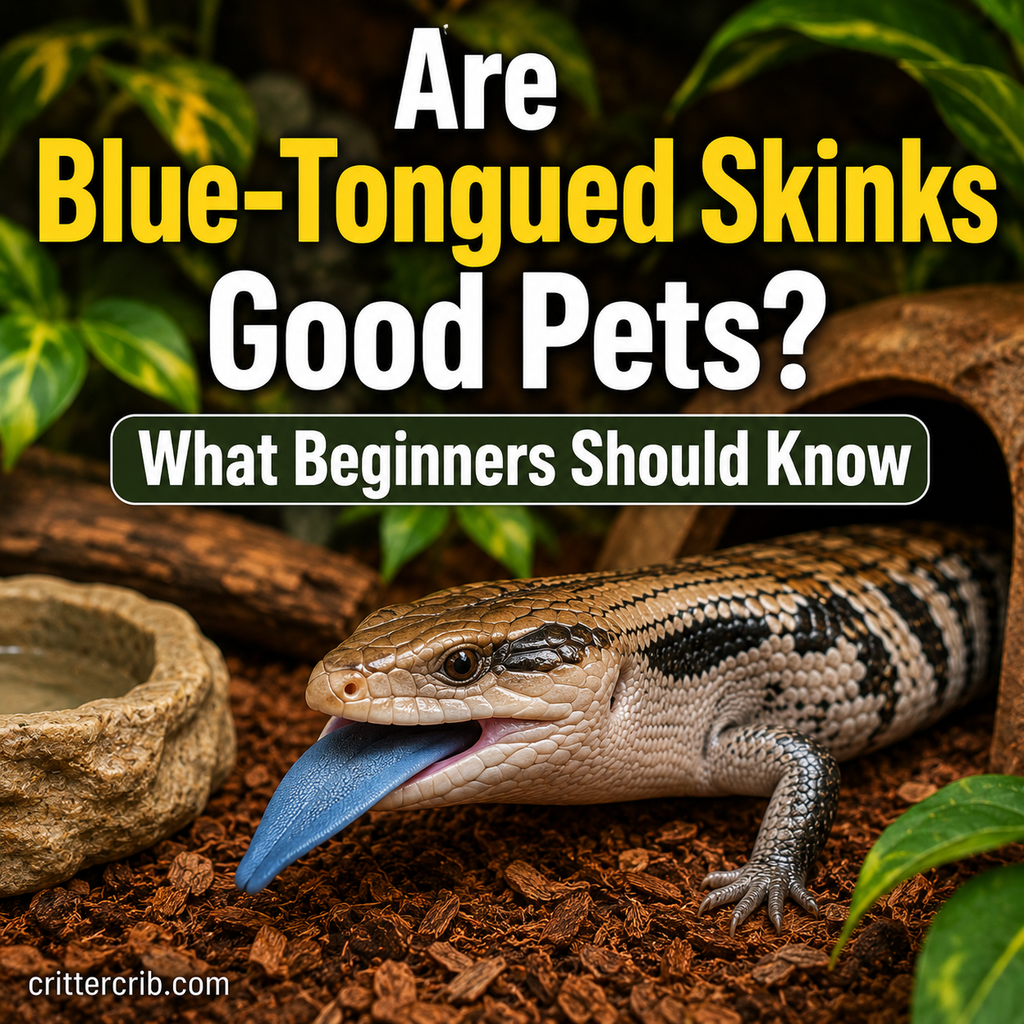
Blue-tongued skink displaying its blue tongue in a naturalistic pet enclosure
Blue-tongued skinks can make excellent pets for prepared beginners, but they require plenty of space, proper heating and lighting, a varied diet, and a long-term commitment.

Blue-tongued skinks have a lot going for them as pets. They’re sturdy, fascinating to watch, and often become quite tolerant of regular handling. Compared with many smaller, faster lizards, their slower movements can also make them feel much less intimidating to someone who’s new to reptiles.

Then there’s that tongue.

When threatened, a blue-tongued skink can open its mouth and display its striking blue tongue—a defensive behavior that’s made these unusual lizards instantly recognizable.

But does that mean a blue-tongued skink is a good beginner pet?

For the right person, absolutely. They can be excellent pet reptiles, including for dedicated beginners. They’re not necessarily “easy,” though. Blue-tongued skinks require a large enclosure, carefully managed heating and lighting, a varied diet, and a commitment that can last well over a decade.

Before bringing one home, it’s worth understanding exactly what you’re signing up for.

Continue reading “Are Blue-Tongued Skinks Good Pets? What Beginners Should Know”

Corn Snake Habitat Setup Guide: Everything You Need

Corn snake in a naturalistic habitat with hides, branches, plants, substrate, and water
A well-designed corn snake habitat provides secure hides, appropriate temperatures, fresh water, suitable substrate, cover, and opportunities to climb and explore.

Setting up a corn snake habitat isn’t especially complicated, but getting the basics right makes a huge difference. Your snake needs more than a tank, some bedding, and a water bowl. A good enclosure should provide the right temperatures, secure hiding places, room to explore, and an environment where your corn snake can behave naturally.

Corn snakes are active, curious animals and surprisingly capable climbers. They’re also talented escape artists. A habitat that looks perfectly adequate at first glance can quickly become a problem if the lid isn’t secure, the temperature is wrong, or there aren’t enough places to hide.

Whether you’re preparing for your first corn snake or upgrading an existing enclosure, this guide walks through everything you need to create a safe and comfortable home.

Continue reading “Corn Snake Habitat Setup Guide: Everything You Need”

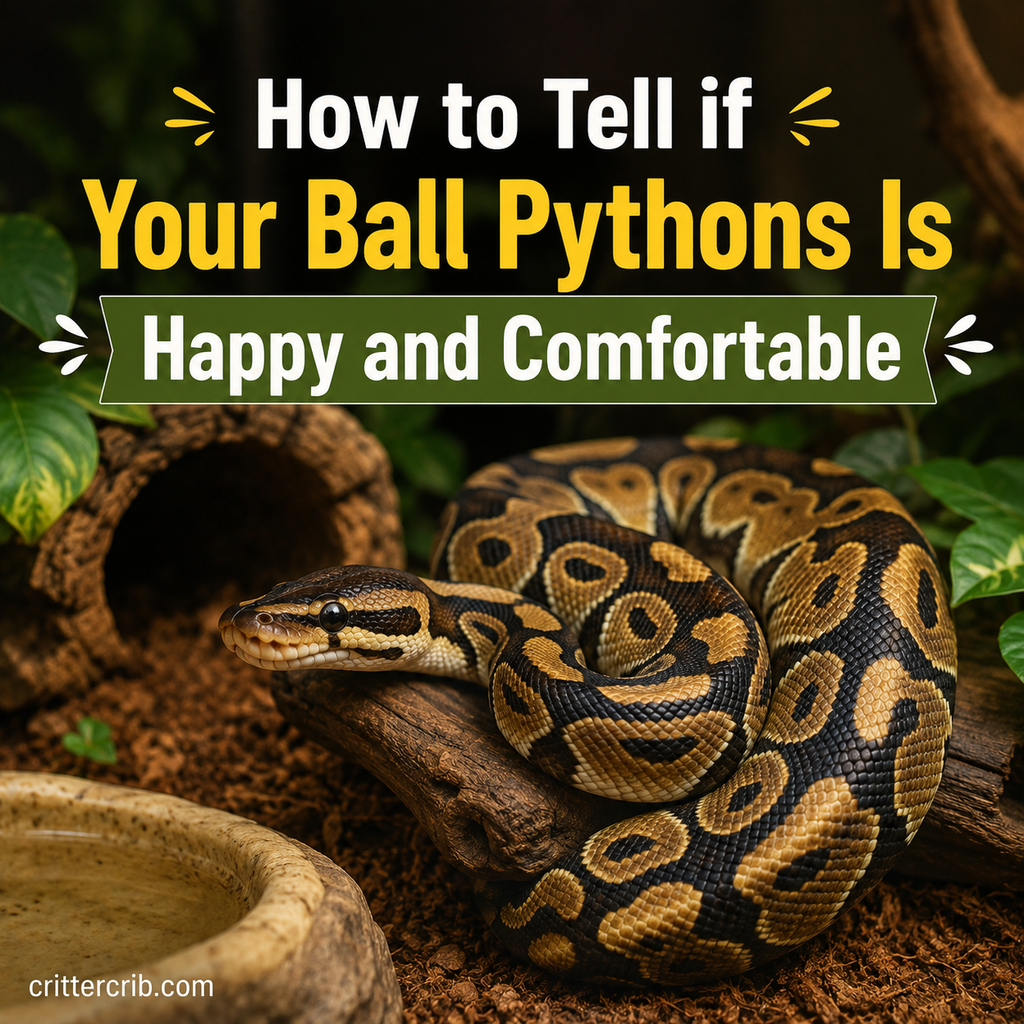
How to Tell if Your Ball Python Is Happy and Comfortable

Happy and comfortable ball python resting calmly in its enclosure
A comfortable ball python will typically show calm movement, normal hiding behavior, periodic exploration, and other signs of feeling secure in its enclosure.

Ball pythons aren’t exactly known for wearing their emotions on their sleeves. They don’t wag their tails when you walk into the room, and they aren’t going to come running when they’re excited to see you.

That can leave new owners wondering: How do I know if my ball python is actually happy?

With snakes, “happy” is probably better understood as comfortable, secure, and free from unnecessary stress. A ball python that feels safe in its environment will generally show predictable behaviors, maintain a healthy body condition, and comfortably move between resting, exploring, feeding, and other normal activities.

Once you know what to look for, your snake’s behavior can tell you quite a bit.

Continue reading “How to Tell if Your Ball Python Is Happy and Comfortable”

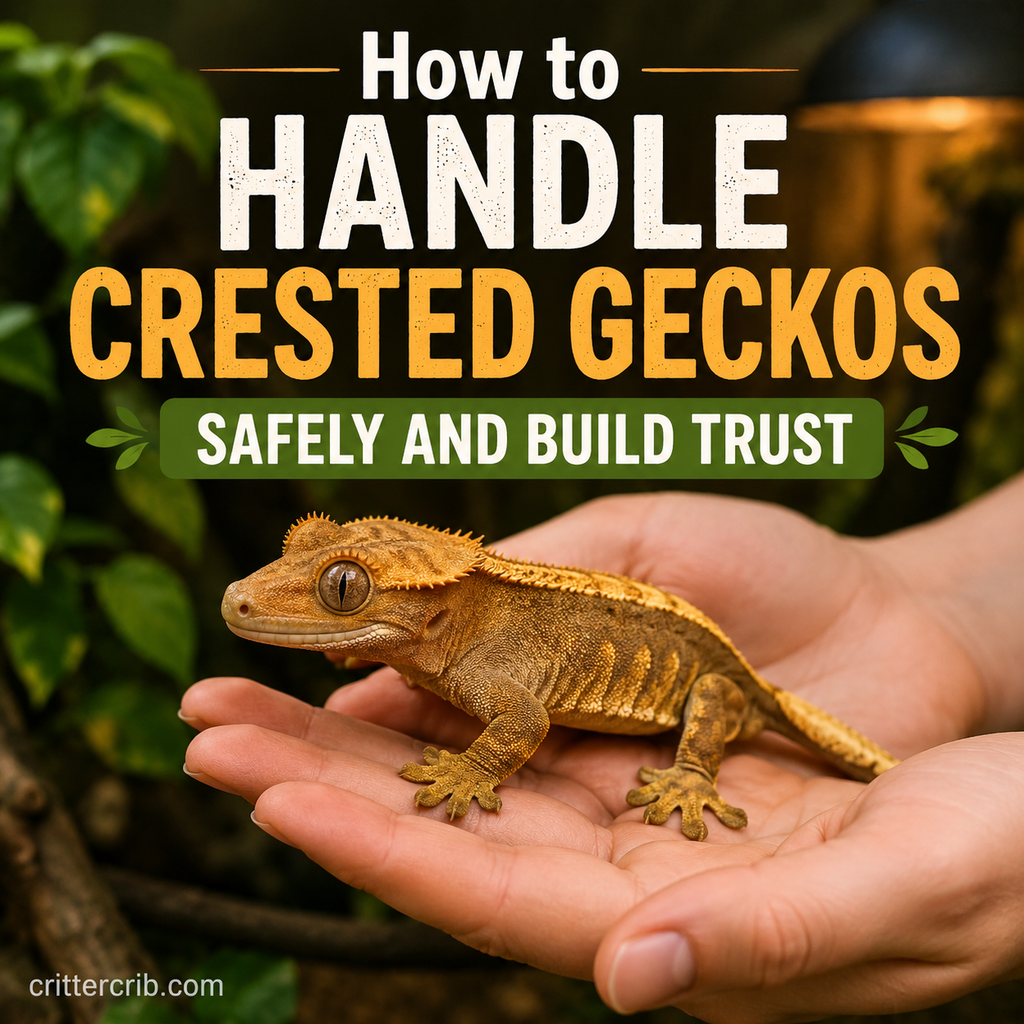
How to Handle Crested Geckos Safely and Build Trust

Crested gecko being safely handled in a person's hands
Safe, gentle handling can help a crested gecko gradually become more comfortable with its owner.

Crested geckos can become surprisingly comfortable around their keepers, but that doesn’t mean they naturally enjoy being picked up. To a small gecko, a hand reaching into the enclosure can initially look more like a threat than an invitation.

The good news is that most crested geckos can learn to tolerate—and sometimes seem quite comfortable with—gentle handling. The key is patience. Instead of trying to force interaction, you want your gecko to gradually learn that your presence and hands are nothing to worry about.

Whether you recently brought home your first crested gecko or you’re trying to gain the trust of a particularly nervous one, the following approach can make handling safer and less stressful for both of you.

Continue reading “How to Handle Crested Geckos Safely and Build Trust”

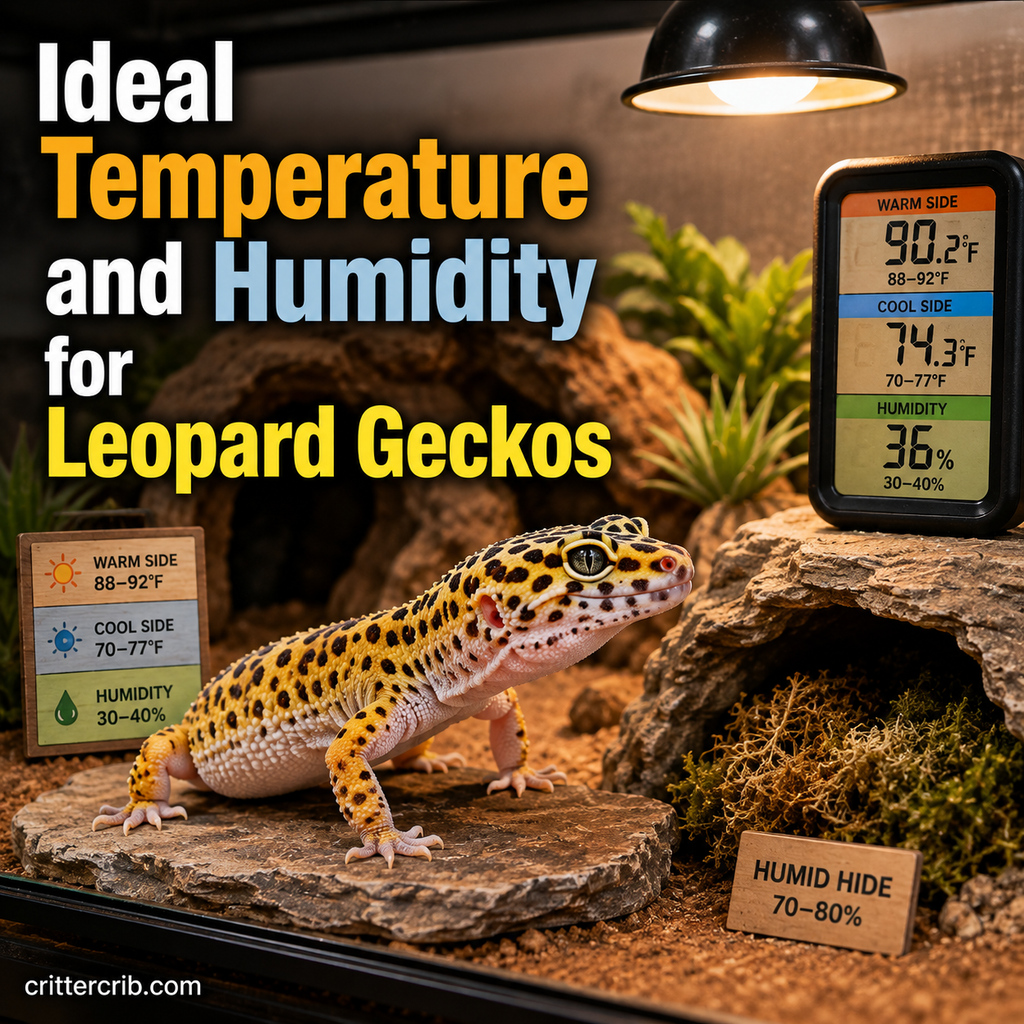
Ideal Temperature and Humidity for Leopard Geckos

Leopard gecko in a naturalistic terrarium with warm and cool temperature zones, a humid hide, and digital temperature and humidity monitoring.
Leopard geckos need a proper temperature gradient, moderate ambient humidity, and access to a humid hide for shedding and moisture.

Getting the temperature and humidity right is one of the most important parts of keeping a leopard gecko healthy.

Fortunately, leopard geckos don’t need a tropical enclosure with complicated misting systems. They come from relatively dry environments and generally do well with moderate ambient humidity. What they do need is a proper temperature gradient, a warm place to digest food, and access to a humid hide when they need additional moisture.

The important word is gradient.

A leopard gecko enclosure shouldn’t be one temperature from end to end. Your gecko needs warmer and cooler areas so it can move around and regulate its body temperature naturally.

As a general starting point, aim for a warm hide and warm-side surface temperature of roughly 88–92°F (31–33°C), with a cooler side around 70–77°F (21–25°C). General enclosure humidity can usually remain around 30–40%, while the humid hide should be noticeably more humid.

Those numbers are useful targets, but knowing where and how to measure them is just as important.

Here’s how to create and maintain the right temperature and humidity for a leopard gecko.

Continue reading “Ideal Temperature and Humidity for Leopard Geckos”

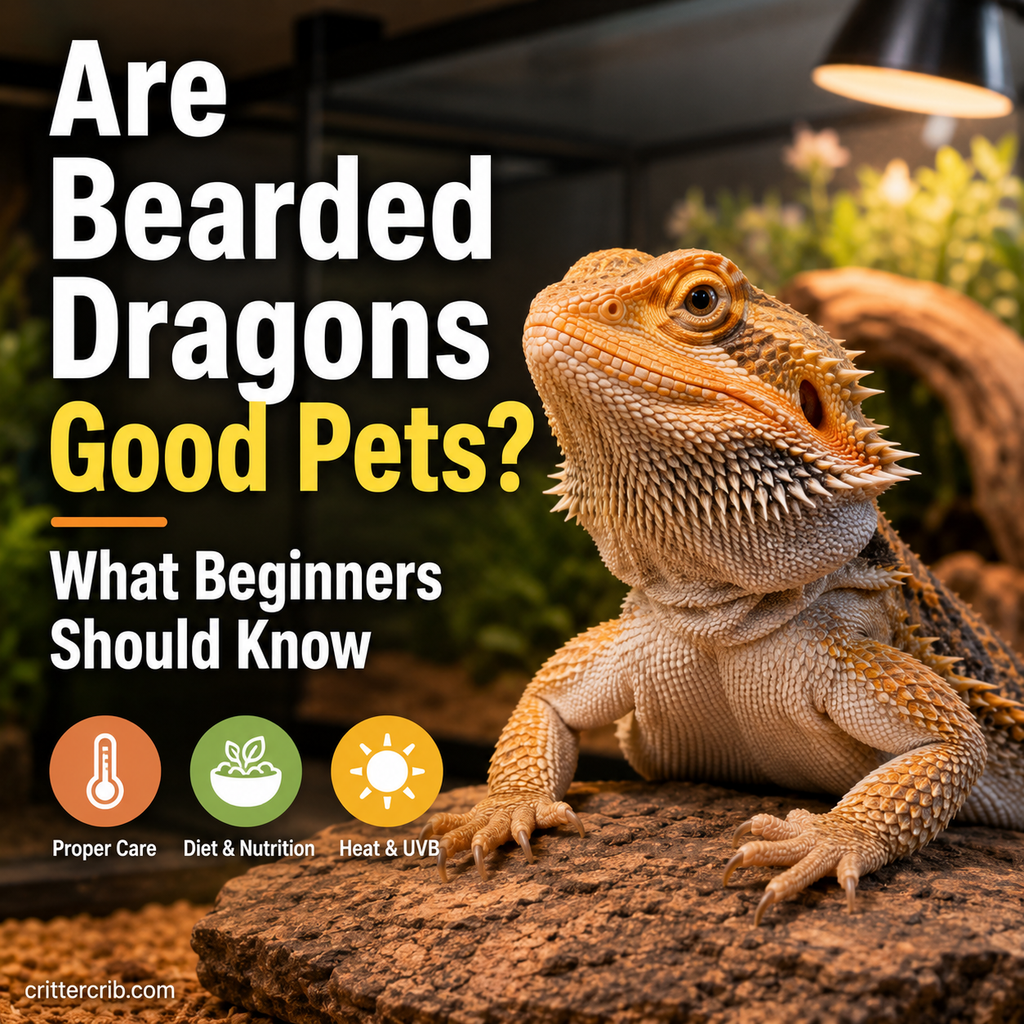
Are Bearded Dragons Good Pets? What Beginners Should Know

Bearded dragon resting in a naturalistic terrarium with proper heat and UVB lighting.
Bearded dragons can make excellent pets for beginners who are prepared to provide proper housing, heating, UVB lighting, diet, and regular care.

Bearded dragons are often recommended as beginner reptiles, and there are some good reasons for that. They’re generally manageable in size, many become comfortable with handling, and their behavior is much easier to observe than that of a reptile that spends most of the day hiding.

But calling a bearded dragon an “easy pet” can give new owners the wrong impression.

A bearded dragon still needs a properly sized enclosure, specialized heating and UVB lighting, a varied diet, regular cleaning, and ongoing attention to temperatures and overall health. Setting everything up correctly also costs more than many first-time owners expect.

So, are bearded dragons good pets?

For the right person, absolutely. They can be engaging, relatively calm reptiles that are fascinating to watch and interact with. They’re especially appealing if you want a reptile that’s active during the day and can usually become accustomed to regular handling.

They’re not, however, low-maintenance decorations that can live in a small tank with a heat lamp.

Here’s what beginners should know before deciding whether a bearded dragon is the right pet.

Continue reading “Are Bearded Dragons Good Pets? What Beginners Should Know”

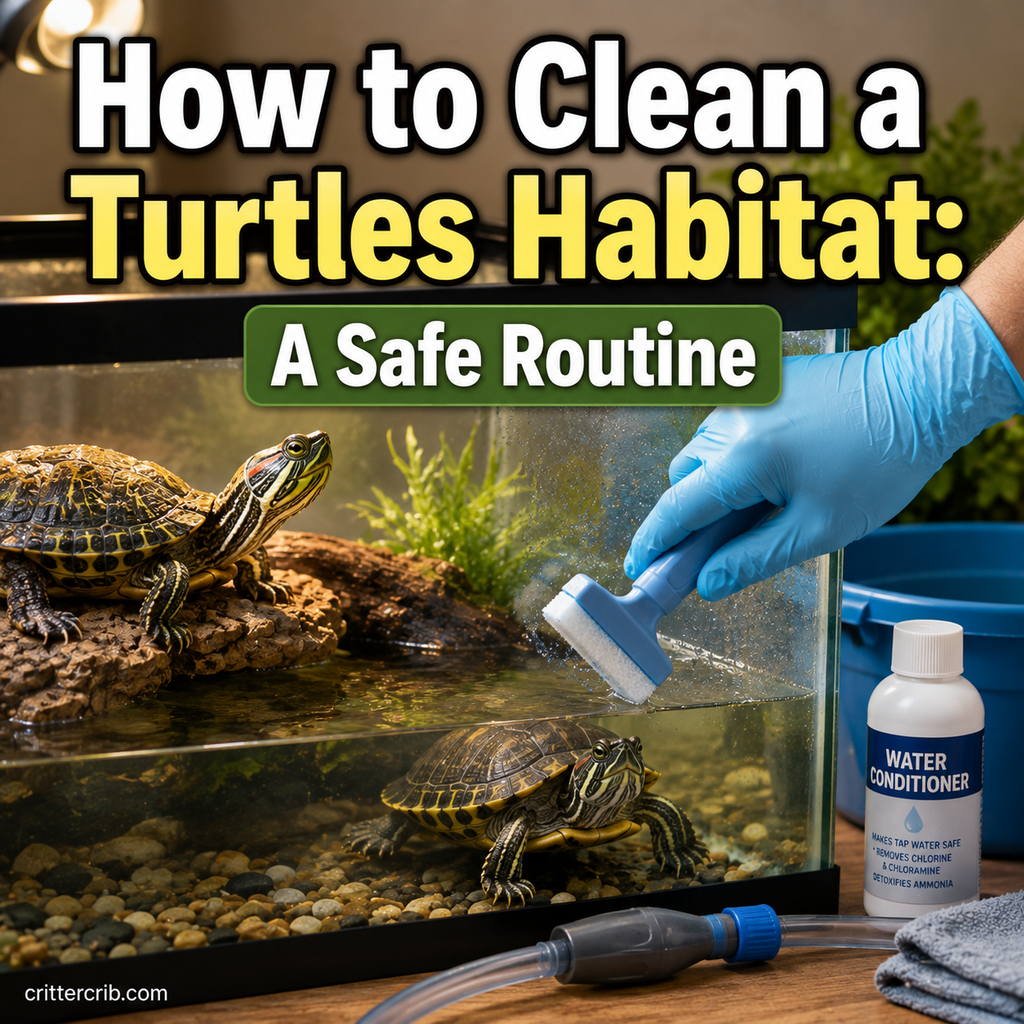
How to Clean a Turtle’s Habitat: A Safe Routine

Cleaning an aquatic turtle habitat with an aquarium-safe brush, water conditioner, siphon, and dedicated cleaning supplies.
Regular waste removal, partial water changes, filter maintenance, and aquarium-safe cleaning help keep a turtle’s habitat clean and healthy.

Keeping a turtle’s habitat clean isn’t just about making the tank look nice. Water quality, leftover food, waste, algae, and dirty equipment can all affect the environment your turtle lives in every day.

The good news is that turtle habitat cleaning doesn’t have to mean completely tearing apart the enclosure every weekend.

A better approach is to use a routine: remove obvious waste regularly, perform partial water changes, maintain the filter, clean surfaces as needed, and periodically give the habitat a more thorough cleaning.

The exact schedule depends on your turtle, enclosure size, filtration, feeding habits, and whether you’re caring for an aquatic, semi-aquatic, or terrestrial species.

Here’s how to clean a turtle habitat safely without making the process more complicated than it needs to be.

Continue reading “How to Clean a Turtle’s Habitat: A Safe Routine”

How Much Space Do Tortoises Need? Housing Size Guide

Tortoise walking through a spacious naturalistic outdoor enclosure with plants, shelter, substrate, and water.
Tortoises need enough floor space to walk, explore, bask, hide, and regulate their body temperature comfortably.

Tortoises may move slowly, but that doesn’t mean they need a small living space.

In fact, one of the most common mistakes new tortoise owners make is choosing an enclosure based on the animal’s current size. A young tortoise can look tiny in a large habitat, but many species grow considerably and spend a surprising amount of time walking, exploring, grazing, digging, and moving between warmer and cooler areas.

So, how much space does a tortoise actually need?

There isn’t one enclosure size that works for every tortoise. The right amount of space depends on the species, adult size, age, climate, and whether the tortoise lives primarily indoors or outside.

This guide explains how much room tortoises need, how enclosure requirements change as they grow, and why providing enough usable floor space is such an important part of responsible tortoise care.

Continue reading “How Much Space Do Tortoises Need? Housing Size Guide”