Are Aquatic Snails Good Pets? What Beginners Should Know

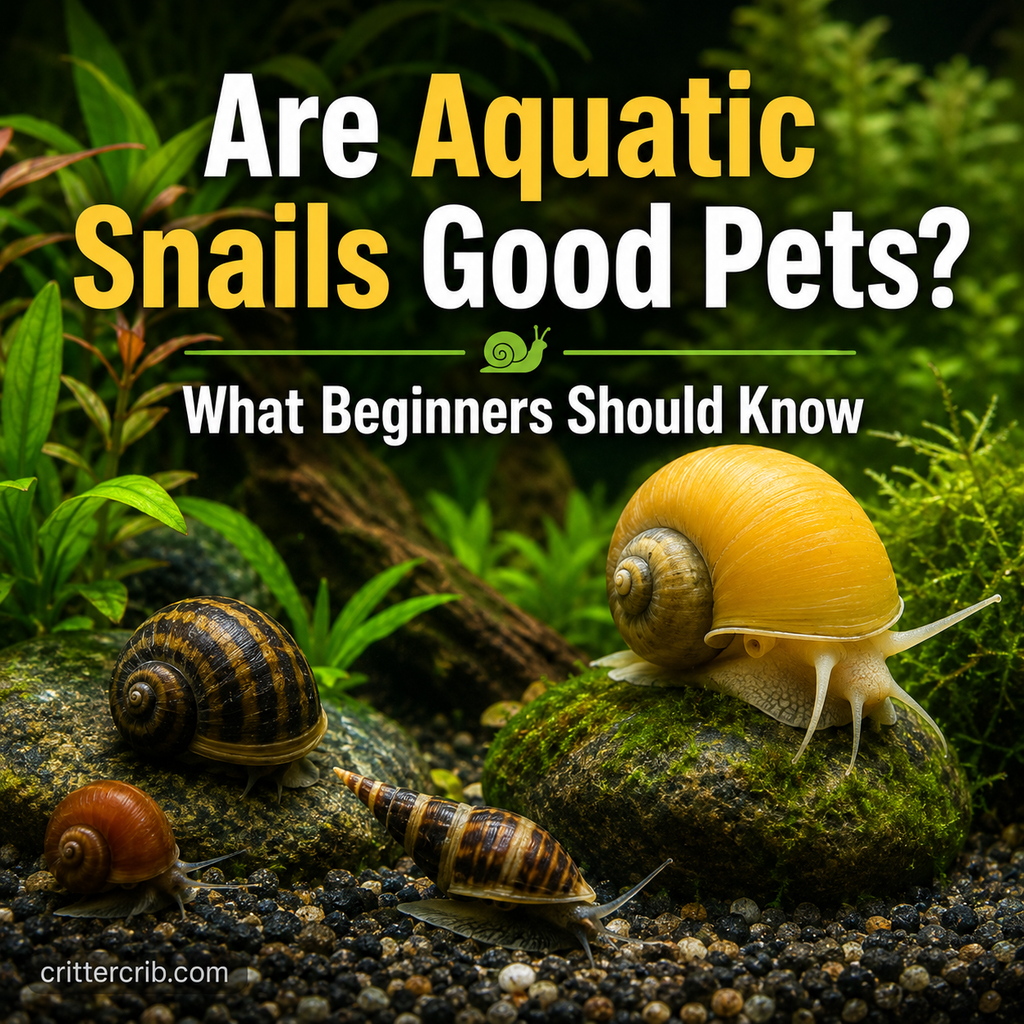
Aquatic snails exploring rocks and plants in a freshwater aquarium
Aquatic snails can make fascinating beginner pets when provided with stable water conditions, proper nutrition, and a species-appropriate aquarium.

Aquatic snails don’t usually get the same attention as colorful fish or freshwater shrimp. Sometimes they aren’t even intentionally added to an aquarium. A tiny snail appears on a plant one day, and suddenly you’re wondering whether you’ve gained a new pet.

But intentionally kept aquatic snails can be surprisingly interesting animals.

They explore the aquarium at their own pace, climb plants and decorations, graze on surfaces, and display more personality than many first-time keepers expect. They’re also relatively quiet pets that don’t require a huge amount of space.

That doesn’t mean they’re maintenance-free.

Aquatic snails still need appropriate water conditions, food, minerals, filtration, and regular aquarium care. Some species reproduce rapidly, while others may lay eggs above the waterline or require specific conditions to breed.

So, are aquatic snails good pets?

For the right person, absolutely. Here’s what you should know before bringing one home.

Continue reading “Are Aquatic Snails Good Pets? What Beginners Should Know”

Freshwater Shrimp Habitat Setup Guide: Everything You Need

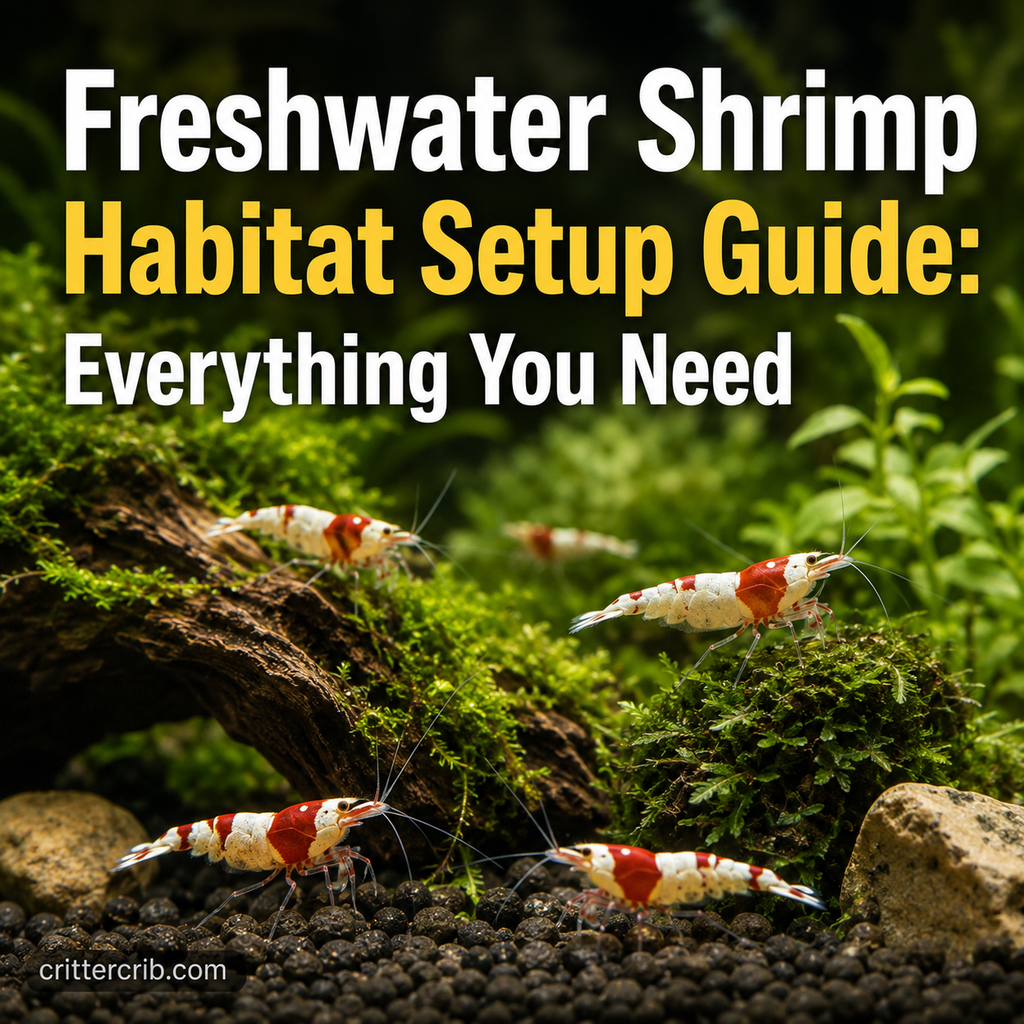
Freshwater shrimp in a planted aquarium with moss, driftwood, rocks, and shrimp-safe substrate
A healthy freshwater shrimp habitat provides stable water conditions, gentle filtration, plants, and plenty of surfaces for natural grazing.

Freshwater shrimp are tiny compared with most aquarium fish, but setting up a good home for them takes more thought than simply filling a small tank with water.

Shrimp spend much of their day grazing. They’ll pick through moss, plants, wood, rocks, and other surfaces looking for biofilm and tiny bits of food. A well-established shrimp habitat gives them plenty of places to explore while keeping water conditions stable.

The good news is that a shrimp tank doesn’t need to be complicated.

A properly cycled aquarium, gentle filtration, suitable water parameters, plenty of surfaces to graze on, and a few carefully chosen plants can create an excellent environment.

This freshwater shrimp habitat setup guide walks through the process from an empty aquarium to introducing your first shrimp.

Continue reading “Freshwater Shrimp Habitat Setup Guide: Everything You Need”

How to Tell if Your Corydoras Is Happy and Comfortable

Happy Corydoras catfish foraging together on the bottom of a planted aquarium
Healthy Corydoras typically forage, explore, eat well, and interact with other Corys when they feel comfortable in their aquarium.

Corydoras catfish have a reputation for being peaceful, busy little bottom dwellers. Watch a comfortable group for a while and you’ll see why they’re so popular. They search through the substrate, rest together, explore the aquarium, and occasionally make surprisingly quick trips toward the surface.

But how can you actually tell whether your Corydoras are happy?

Fish can’t show happiness in quite the same way a dog or cat might, so it’s more useful to look for signs that they’re healthy, comfortable, and behaving normally. Their activity level, appetite, social behavior, breathing, and even the way they rest can tell you quite a bit.

Once you become familiar with your Corydoras’ normal routine, changes become much easier to spot.

Continue reading “How to Tell if Your Corydoras Is Happy and Comfortable”

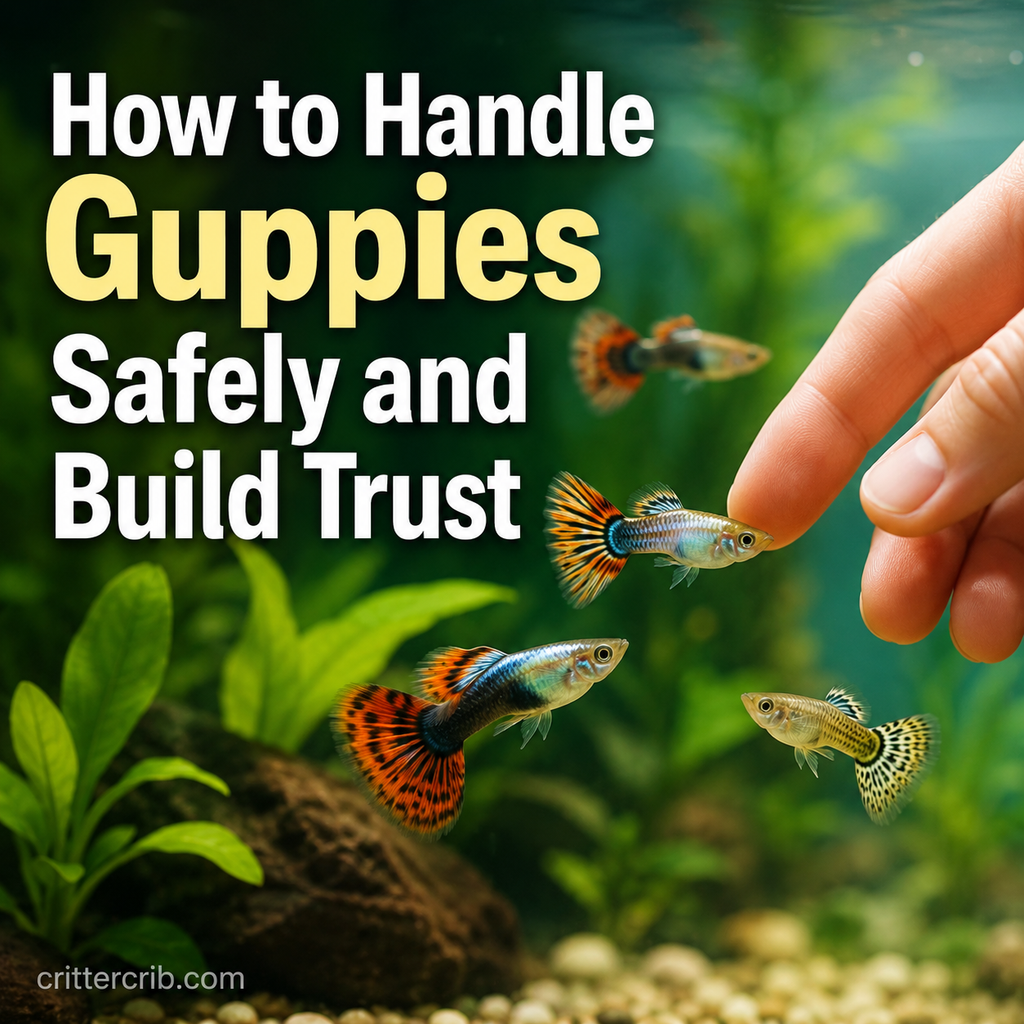
How to Handle Guppies Safely and Build Trust

Colorful guppies swimming near a person's hand in a planted aquarium
Building trust with guppies is best done through calm, gentle interaction rather than unnecessary handling.

Guppies are active, curious little fish, and it’s easy to feel like they recognize you when they swim toward the front of the aquarium. Over time, they may even gather near your hand during feeding or follow your movements along the glass.

But building trust with a guppy is different from bonding with a dog, cat, or other pet you can physically handle.

In fact, one of the most important parts of learning how to handle guppies safely is knowing when not to touch them. Guppies have delicate bodies and a protective slime coat that can be damaged through unnecessary handling.

Fortunately, you don’t need to pick up your guppies to interact with them. With patience, predictable routines, and gentle movements, you can help them become comfortable around you while keeping stress to a minimum.

Continue reading “How to Handle Guppies Safely and Build Trust”

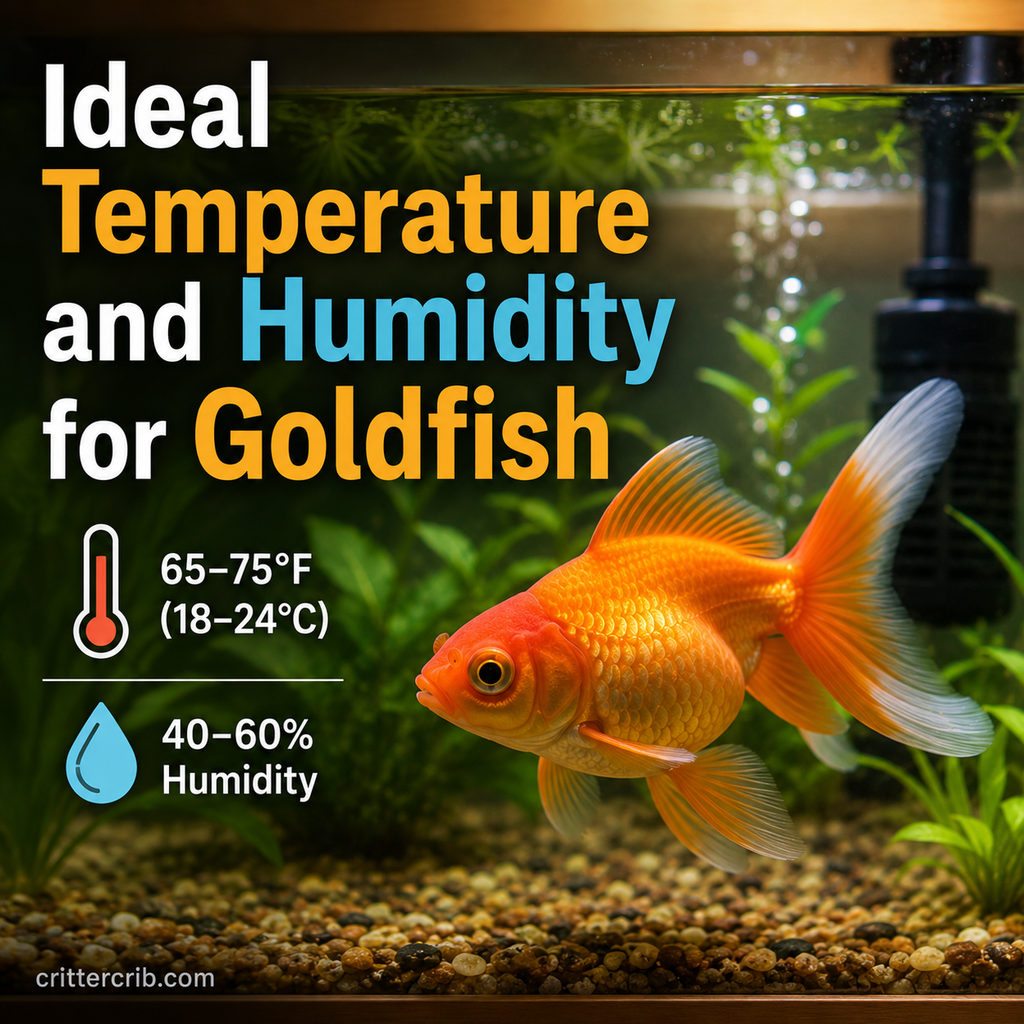
Ideal Temperature and Humidity for Goldfish

Goldfish swimming in a planted aquarium illustrating the ideal water temperature for healthy goldfish care.
Most pet goldfish do well in water around 65–75°F (18–24°C), while room humidity generally does not need to be controlled specifically for goldfish.

Goldfish have a reputation for being hardy, adaptable fish. While that’s true to a point, they still do best when their environment stays within a comfortable and reasonably stable temperature range.

One thing that sometimes causes confusion is humidity. You may see temperature and humidity discussed together for reptiles, amphibians, and other pets, but goldfish are fully aquatic. The humidity of the room around their aquarium generally isn’t something you need to manage for the fish themselves.

Water temperature, on the other hand, matters quite a bit.

Whether you have a common goldfish, comet, fantail, or another variety, understanding temperature can help you provide a more stable environment and recognize potential problems before they become serious.

Here’s what goldfish keepers should know about temperature, seasonal changes, heaters, humidity, and keeping aquarium conditions consistent.

Continue reading “Ideal Temperature and Humidity for Goldfish”

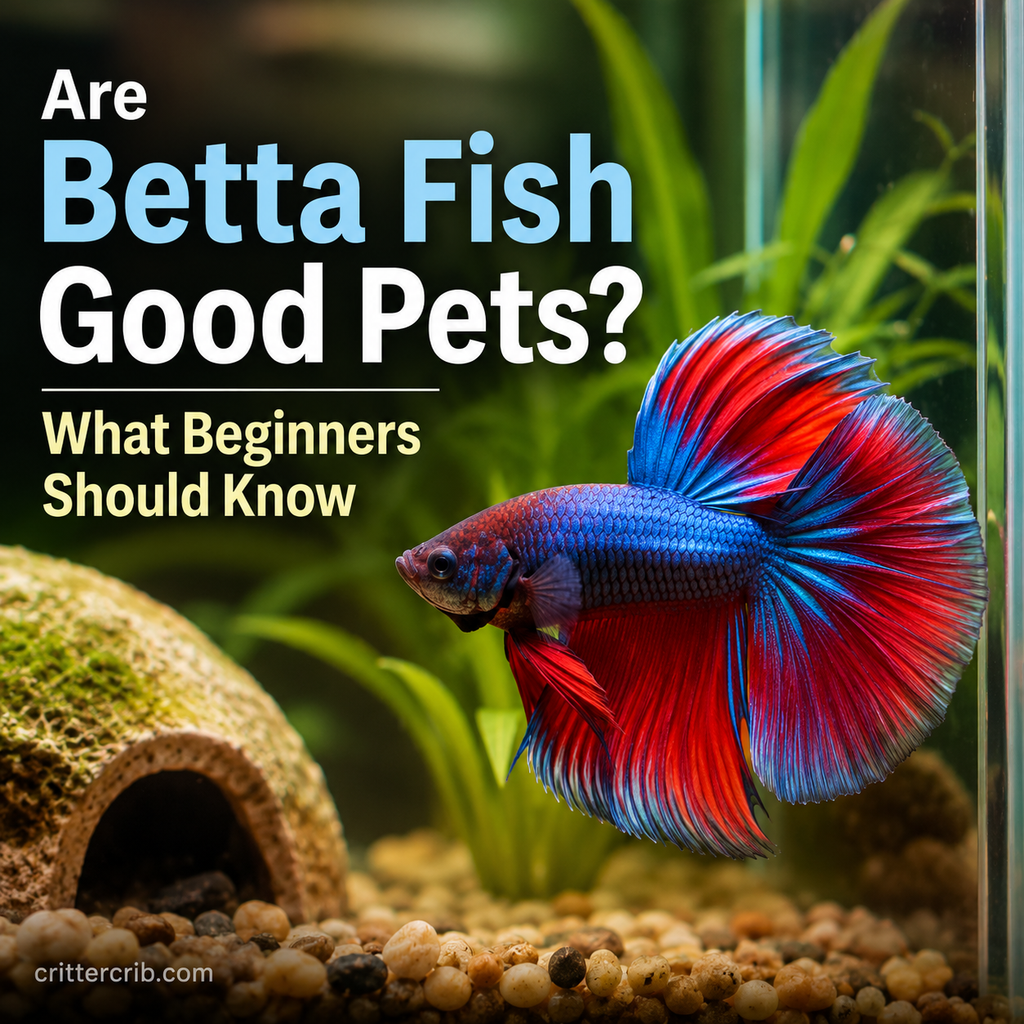
Are Betta Fish Good Pets? What Beginners Should Know

Colorful betta fish swimming in a planted aquarium for a beginner betta fish care guide.
Betta fish can make excellent pets for beginners when provided with a properly sized, heated, and filtered aquarium.

Betta fish are colorful, widely available, and often described as easy pets. Walk through almost any pet store and you’ll probably see them displayed in small individual containers, which can make it seem like they need little more than a bowl of water and some food.

The reality is a little different.

Betta fish can be excellent pets for beginners, but they still need a properly set up aquarium, stable water conditions, appropriate food, and regular care. They’re relatively manageable compared with many larger aquarium fish, but they aren’t a maintenance-free pet.

If you’re thinking about bringing home your first betta, here’s what you should know before deciding whether one is right for you.

Continue reading “Are Betta Fish Good Pets? What Beginners Should Know”
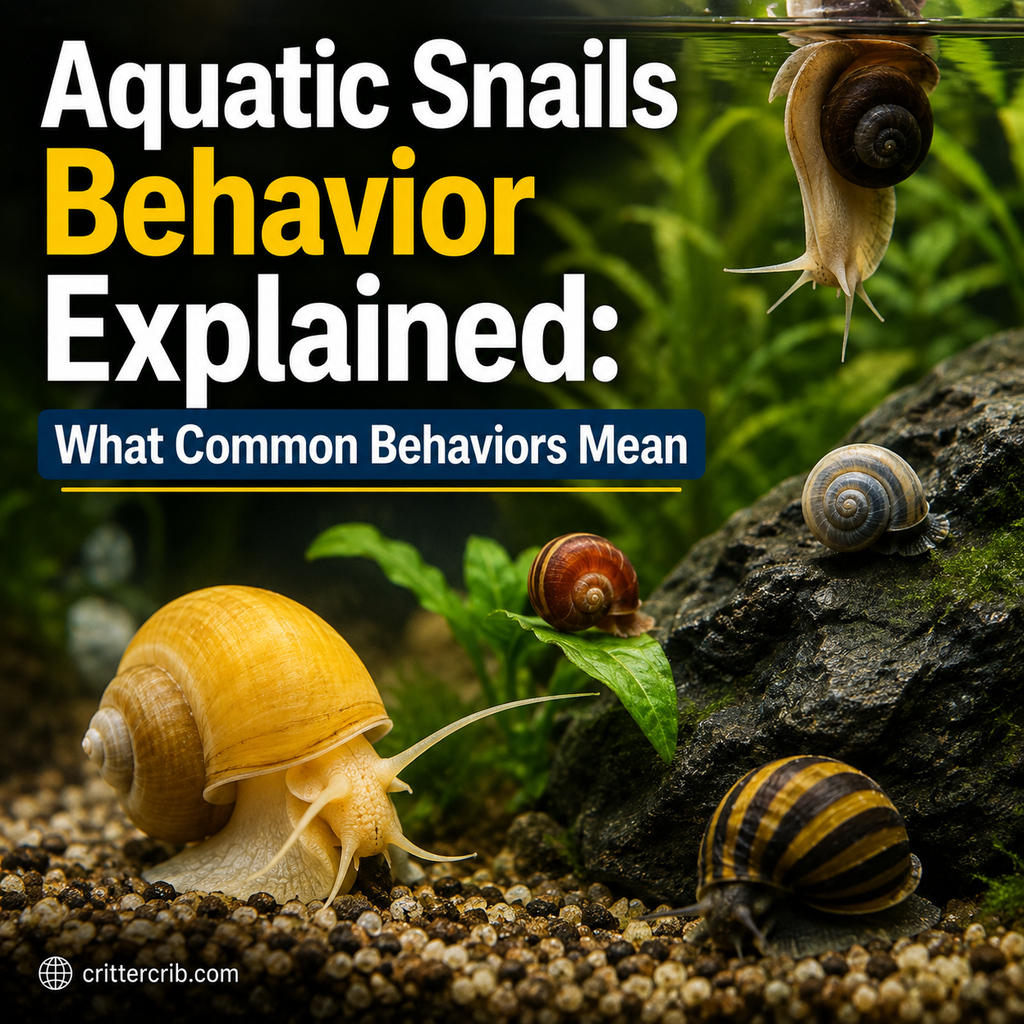
Aquatic Snail Behavior Explained: What Common Behaviors Mean

Aquatic snails exploring a planted aquarium for a guide explaining common snail behaviors
Aquatic snails display many interesting behaviors, from climbing and grazing to floating, burrowing, resting, and exploring above the waterline.

Aquatic snails can be surprisingly entertaining once you start paying attention to what they’re doing.

One minute your snail is slowly cruising across the aquarium glass. A few hours later, it’s floating at the surface, buried beneath the substrate, hanging upside down from a plant, or sitting completely still in its shell.

Some of these behaviors can look alarming if you’re new to keeping aquarium snails.

Fortunately, many strange-looking snail behaviors are completely normal.

Aquatic snails explore, eat, rest, reproduce, and respond to their environment in ways that are very different from fish. Learning what’s normal for your particular snail makes it much easier to recognize when something may actually be wrong.

This guide explains common aquatic snail behaviors, what they usually mean, and which changes deserve a closer look.

Continue reading “Aquatic Snail Behavior Explained: What Common Behaviors Mean”

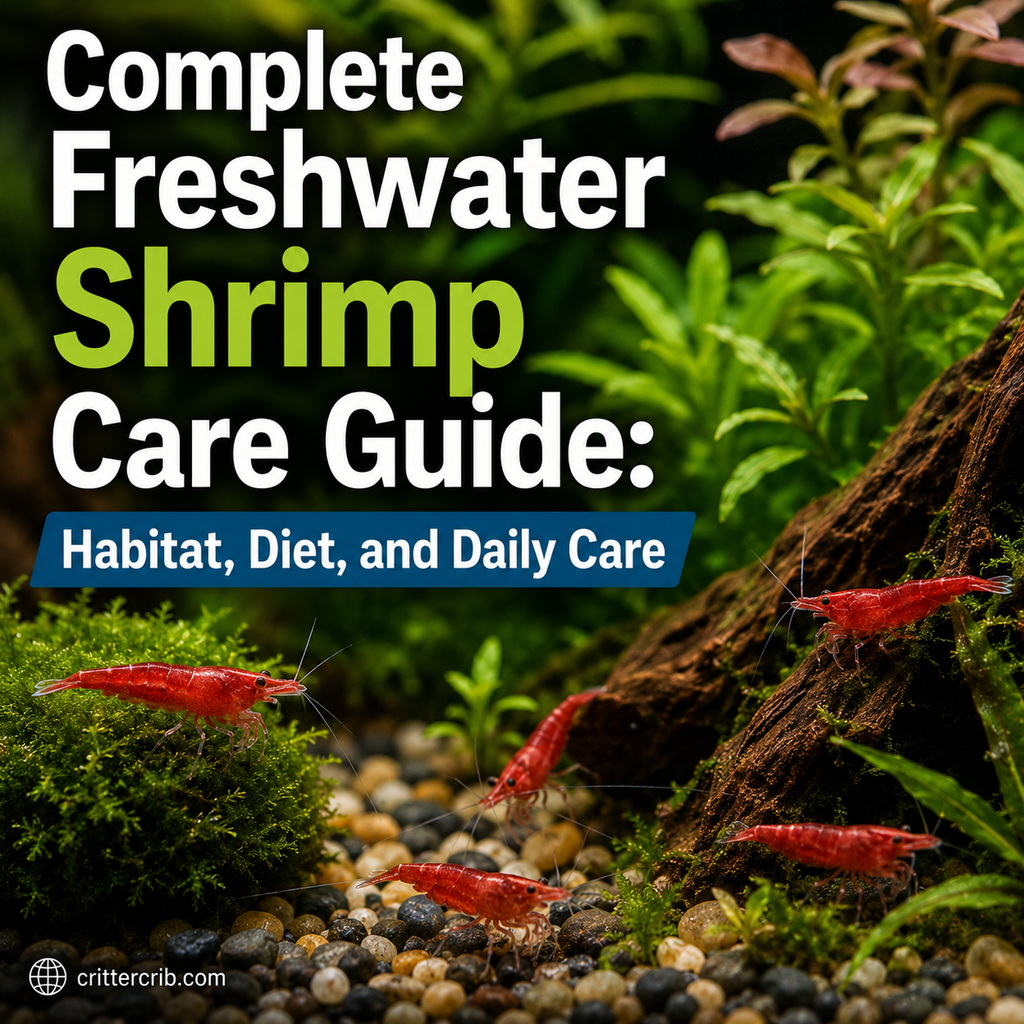
Complete Freshwater Shrimp Care Guide: Habitat, Diet, and Daily Care

Freshwater shrimp in a planted aquarium for a complete guide to habitat, diet, and daily care
Freshwater shrimp thrive in stable, established aquariums with gentle filtration, plenty of plants and grazing surfaces, appropriate food, and consistent water quality.

Freshwater shrimp are tiny animals with a surprising amount of personality. Put a group into a planted aquarium and you’ll soon see them picking through moss, climbing over driftwood, grazing on leaves, and somehow discovering microscopic bits of food you didn’t even know were there.

They’re also a little different from keeping fish.

Shrimp depend heavily on stable water conditions, and sudden changes that might not bother some aquarium fish can cause serious problems for them. They also molt as they grow, need access to appropriate minerals, and are particularly sensitive to certain contaminants.

The good news is that freshwater shrimp care doesn’t need to be complicated.

Once you understand their basic needs and establish a mature, stable aquarium, many popular freshwater shrimp can be fascinating and relatively low-maintenance pets.

This complete freshwater shrimp care guide covers everything beginners need to know, from choosing a species and setting up the habitat to feeding, molting, breeding, tank maintenance, and daily care.

Continue reading “Complete Freshwater Shrimp Care Guide: Habitat, Diet, and Daily Care”

Essential Supplies for Corydoras: Beginner Checklist

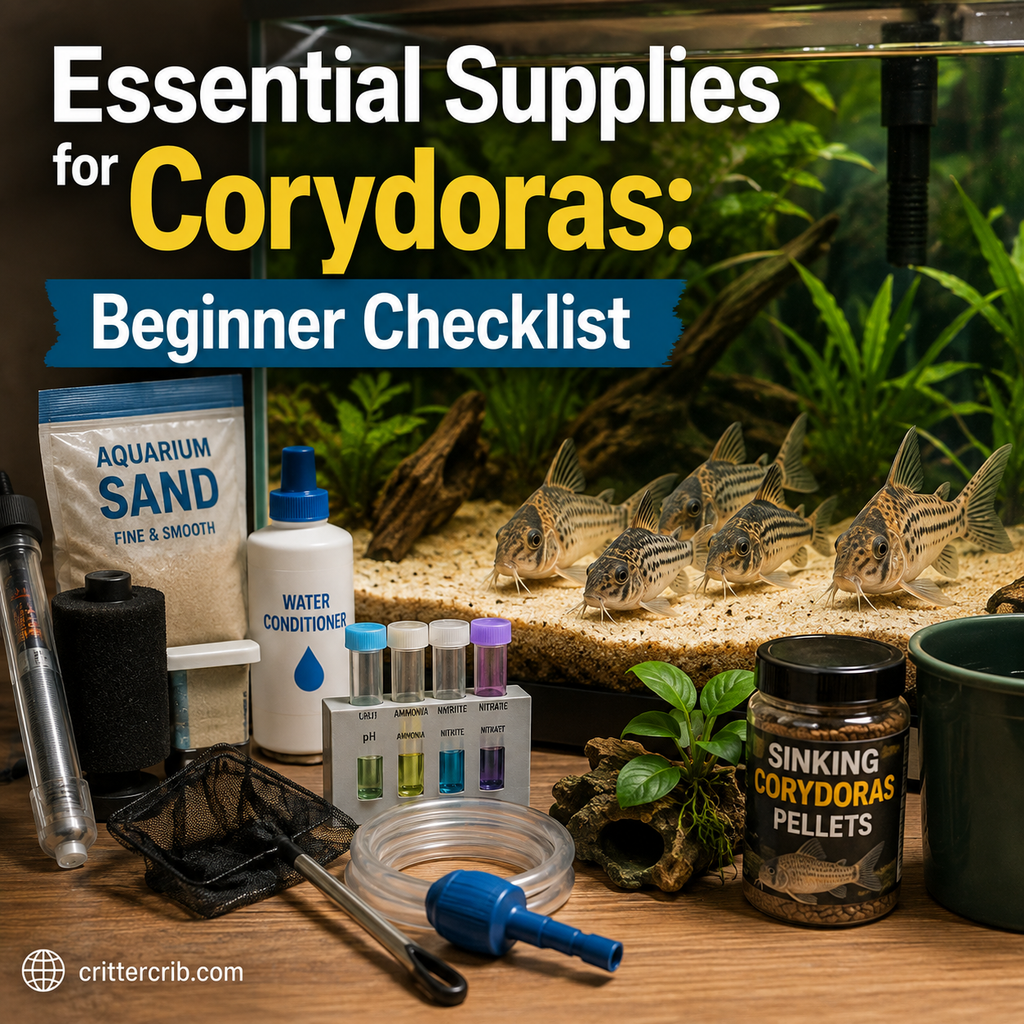
Corydoras catfish with essential aquarium supplies for a beginner tank setup
The right Corydoras setup includes a spacious aquarium, smooth substrate, reliable filtration, water testing supplies, sinking food, and regular maintenance equipment.

Corydoras catfish are often recommended to beginner aquarium keepers, and for good reason. They’re peaceful, entertaining to watch, and generally get along well with other community fish.

But being beginner-friendly doesn’t mean Corydoras can simply be dropped into any aquarium.

These small bottom-dwelling catfish have a few important needs. They prefer living in groups, spend much of their time searching along the substrate, and need clean, well-oxygenated water. The right supplies make meeting those needs much easier.

If you’re setting up a tank for Corydoras for the first time, you don’t need to buy every aquarium gadget on the shelf. You do need a properly sized aquarium, suitable substrate, filtration, water conditioner, testing supplies, appropriate food, and a few other basics.

Here’s a practical beginner checklist of the essential supplies you’ll need for Corydoras and what each item actually does.

Continue reading “Essential Supplies for Corydoras: Beginner Checklist”

How to Clean a Guppy Habitat: A Safe Routine

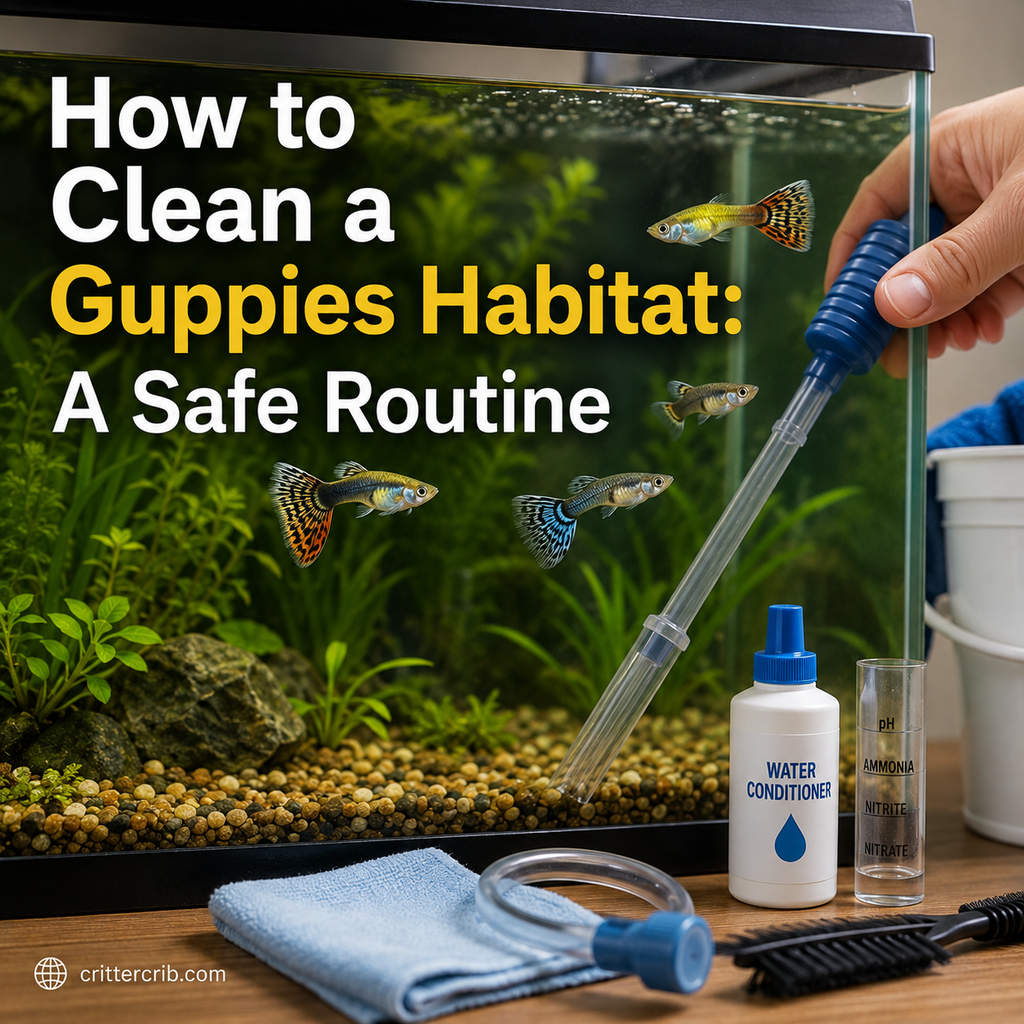
Cleaning a guppy aquarium safely with a gravel vacuum during routine tank maintenance
Regular partial water changes, light gravel vacuuming, water testing, and proper filter care help keep a guppy habitat clean and stable.

Guppies may be small, but their aquarium still needs regular cleaning to stay healthy. Leftover food, fish waste, decaying plant material, and other debris gradually build up, even when the water looks perfectly clear.

The trick is not to make the tank spotless.

A healthy aquarium contains beneficial bacteria that help process fish waste. If you drain everything, scrub every surface, and replace all the filter media at once, you can disrupt the biological balance that keeps the aquarium safe.

Instead, cleaning a guppy habitat should be a routine of partial water changes, light substrate cleaning, water testing, and occasional filter maintenance.

Here’s how to clean a guppy tank safely without unnecessarily disturbing your fish or the aquarium’s beneficial bacteria.

Continue reading “How to Clean a Guppy Habitat: A Safe Routine”