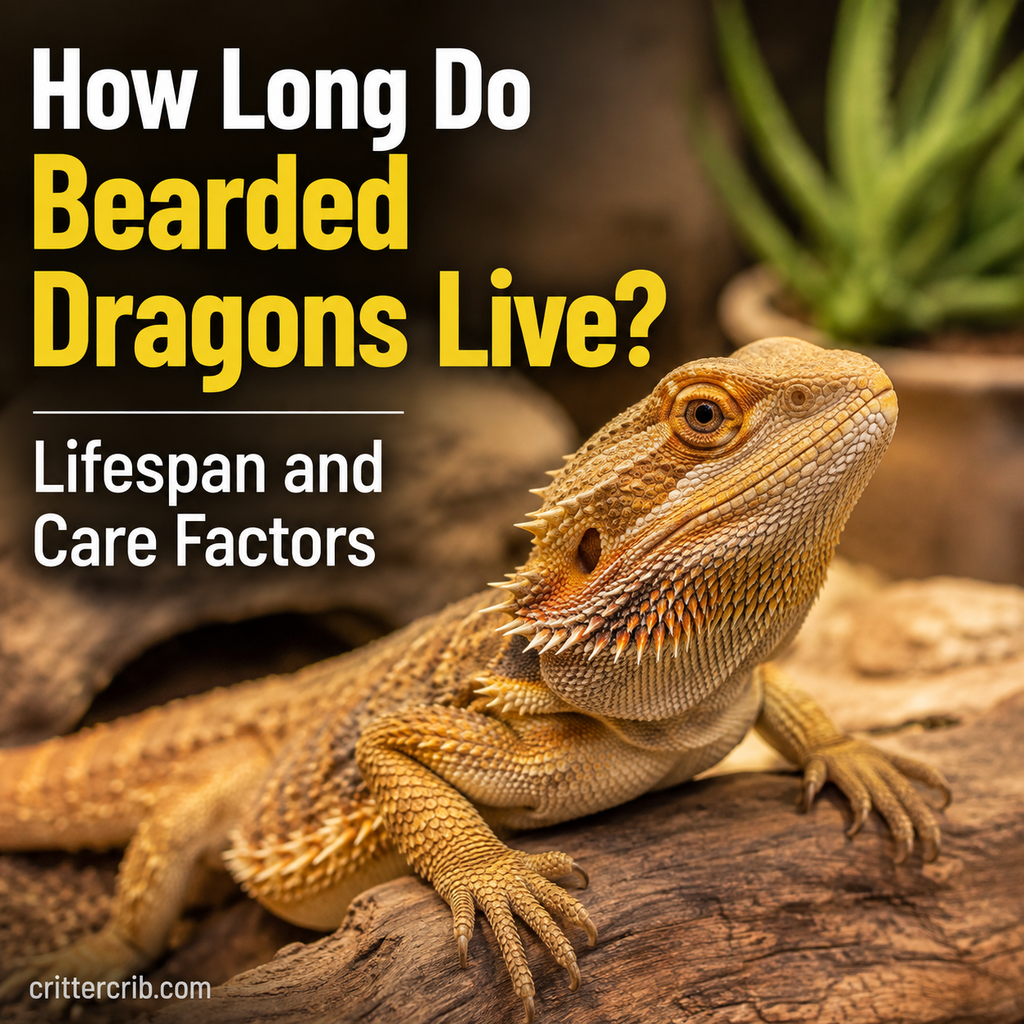
Bearded dragons can be surprisingly long-term companions. While they may be small enough to live in a home terrarium, caring for one is a commitment that can last well over a decade.
So, how long do bearded dragons live?
A well-cared-for pet bearded dragon commonly lives around 8 to 12 years, and some can live longer with excellent husbandry, nutrition, veterinary care, and a little genetic luck. Their lifespan in captivity is generally longer than it would be in the wild, where predators, food shortages, extreme weather, disease, and injuries all take their toll.
There isn’t one magic trick for helping a bearded dragon live longer. Longevity usually comes down to getting several everyday basics right: proper UVB lighting, appropriate temperatures, a balanced diet, hydration, a clean enclosure, enough space, and attention to changes in behavior or health.
Here’s what owners should know about the bearded dragon lifespan and the care factors that can influence it.
What Is the Average Bearded Dragon Lifespan?
For pet bearded dragons, a lifespan of roughly 8 to 12 years is a reasonable expectation when they receive consistent, appropriate care.
Some dragons may live into their early teens. Others unfortunately have shorter lives because of illness, poor early care, genetic problems, accidents, or long-term husbandry issues.
Rather than treating a particular age as a guarantee, it helps to think of lifespan as a range influenced by both genetics and environment.
A dragon’s daily care can make a significant difference over the course of its life.
Bearded Dragon Lifespan in Captivity
Captive bearded dragons have several advantages that wild animals don’t.
A properly maintained pet enclosure can provide:
- Consistent access to nutritious food
- Controlled temperatures
- UVB lighting
- Protection from predators
- Regular access to water
- Shelter from extreme weather
- Veterinary treatment when necessary
- Protection from many injuries encountered in the wild
These advantages can allow a healthy bearded dragon to live considerably longer than it might under natural conditions.
Captivity alone doesn’t guarantee a long life, though. A poorly maintained enclosure can create health problems of its own.
How Long Do Bearded Dragons Live in the Wild?
Wild bearded dragons generally face much harsher conditions than pets.
Native to Australia, they must deal with predators, competition, drought, temperature extremes, parasites, injuries, and periods when food or water may be difficult to find.
Young dragons are especially vulnerable because their smaller size makes them easier targets for predators.
Because survival conditions vary considerably, there isn’t a single reliable lifespan that applies to every wild bearded dragon. What is clear is that life in the wild carries risks that a responsibly kept pet typically doesn’t encounter.
What Determines How Long a Bearded Dragon Lives?
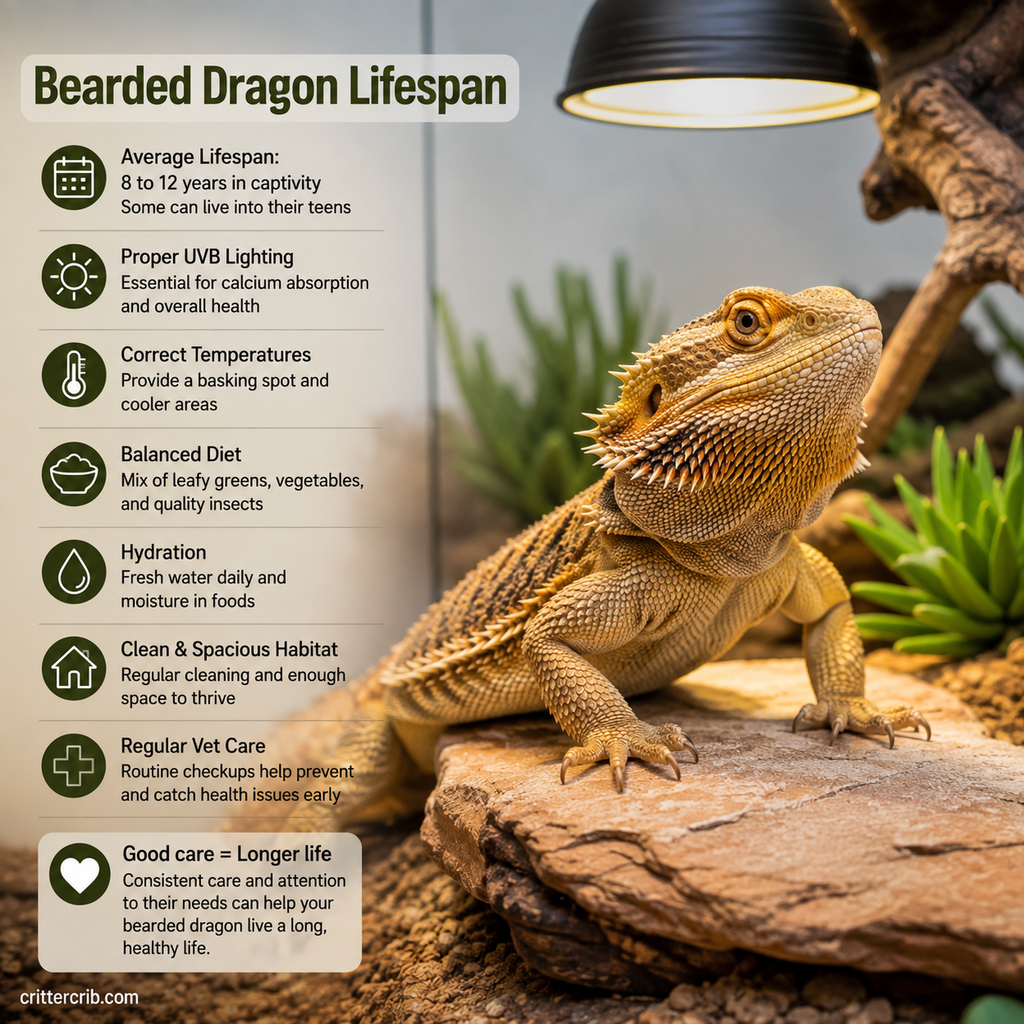
Genetics play a role in longevity, but many of the most important lifespan factors are connected to husbandry.
These include:
- Diet and nutrition
- UVB exposure
- Enclosure temperatures
- Habitat size and setup
- Hydration
- Cleanliness
- Stress
- Exercise
- Veterinary care
- Early detection of illness
Problems in one area can sometimes affect another.
For example, a dragon may be eating a calcium-rich diet, but without adequate UVB exposure it can have difficulty properly utilizing calcium. Similarly, an enclosure can have excellent UVB lighting but still cause problems if the basking temperatures aren’t appropriate.
Good husbandry works as a complete system.
Proper UVB Lighting Is Essential
UVB lighting is one of the most important parts of bearded dragon care.
Bearded dragons use UVB exposure to produce vitamin D3, which helps their bodies absorb and use calcium. Inadequate UVB exposure can contribute to serious health problems, including metabolic bone disease.
Simply having a UVB bulb isn’t necessarily enough.
The effectiveness of UVB exposure depends on factors such as:
- The type of UVB fixture and bulb
- Distance between the dragon and light
- Whether anything blocks the UVB
- Placement within the enclosure
- Manufacturer recommendations
- The age and condition of the bulb
UVB bulbs also don’t necessarily produce effective UVB for as long as they continue producing visible light. Owners should follow the manufacturer’s replacement recommendations for their particular bulb.
A veterinarian experienced with reptiles can also help evaluate whether a habitat’s lighting setup is appropriate.
Temperature and Basking Conditions Matter
Bearded dragons are ectothermic reptiles, meaning they rely on environmental temperatures to regulate their body temperature.
Their enclosure therefore needs a temperature gradient rather than being uniformly hot.
The dragon should be able to move between a warm basking area and cooler portions of the habitat.
Appropriate temperatures support important biological functions such as:
- Digestion
- Activity
- Metabolism
- Appetite
- Thermoregulation
Temperatures that are consistently too low can interfere with digestion and normal activity. Excessive heat can be dangerous as well.
Don’t rely on how warm the enclosure feels to your hand. Use reliable thermometers and appropriate measuring equipment to monitor the habitat.
Diet Can Influence a Bearded Dragon’s Lifespan
Bearded dragons are omnivores and eat both animal and plant foods.
However, their nutritional needs change as they grow.
Young bearded dragons generally consume a greater proportion of appropriately sized insects because they’re growing rapidly. Adults typically eat a greater proportion of plant material alongside insects.
A varied diet can help provide a broader range of nutrients.
Depending on the dragon’s age and veterinary recommendations, foods may include appropriate combinations of:
- Dark leafy greens
- Other suitable vegetables
- Occasional appropriate plant foods
- Crickets
- Dubia roaches
- Black soldier fly larvae
- Other suitable feeder insects
Not every vegetable, fruit, or insect is appropriate for regular feeding, so owners should research foods before adding them to the diet.
Avoid Overfeeding
More food doesn’t necessarily mean a healthier dragon.
Adult bearded dragons kept in captivity can become overweight if they’re routinely overfed, particularly when given excessive amounts of high-calorie insects.
Obesity can place unnecessary stress on the body and may contribute to other health problems.
Portion sizes and feeding frequency should therefore reflect the dragon’s age, body condition, activity level, and veterinary guidance.
Calcium and Supplementation Are Important
Calcium is especially important for bearded dragons because of its role in maintaining healthy bones and normal physiological function.
Many captive dragons require appropriate calcium supplementation as part of their diet.
However, supplementation should work alongside proper UVB exposure rather than being viewed as a replacement for it.
Supplement requirements can vary based on:
- Age
- Diet
- UVB setup
- Health
- Reproductive status
- Type of supplement being used
Too little supplementation can cause problems, but blindly giving excessive supplements isn’t a good strategy either.
A reptile veterinarian can provide guidance based on the individual dragon and its husbandry setup.
Hydration Shouldn’t Be Overlooked
Bearded dragons come from relatively dry environments, but that doesn’t mean they don’t need water.
Hydration may come from several sources, including drinking and moisture contained in appropriate foods.
Fresh water can be made available in a suitable dish, although individual dragons vary in how frequently they drink from standing water.
Owners should watch for possible signs of dehydration and discuss persistent concerns with a veterinarian rather than relying solely on home tests.
The goal is appropriate hydration without turning the enclosure into an excessively humid environment.
Enclosure Size and Environment Affect Quality of Life
A bearded dragon needs enough room to move, bask, explore, and retreat to cooler areas.
An enclosure that’s too small can make it harder to establish a proper temperature gradient and can restrict normal movement.
A well-designed habitat should provide:
- Adequate floor space
- A suitable basking area
- A cooler retreat
- Appropriate UVB coverage
- Safe climbing opportunities
- Hides or sheltered areas
- Safe substrate
- Easy access to food and water
Enrichment can also encourage natural behaviors and physical activity.
Branches, rocks, platforms, and other reptile-safe structures can create a more interesting environment, provided they’re stable and positioned safely.
Cleanliness Helps Prevent Health Problems
Regular enclosure maintenance is another simple but important part of long-term care.
Waste, spoiled food, dirty water, and contaminated surfaces can create unhealthy conditions if they’re allowed to accumulate.
A practical cleaning routine includes:
- Removing feces and waste promptly.
- Taking out uneaten fresh food.
- Cleaning food and water dishes regularly.
- Checking substrate and enclosure surfaces for contamination.
- Periodically performing a more thorough habitat cleaning.
Cleaning products used around reptiles should be appropriate for the purpose, and residues should not be left where the animal can contact them.
Good hygiene doesn’t require making the enclosure sterile. The goal is to prevent unnecessary buildup of waste and harmful microorganisms.
Stress Can Affect a Bearded Dragon’s Health
Bearded dragons are often described as relatively calm reptiles, but they can still experience stress.
Potential sources include:
- Excessive handling
- Improper temperatures
- Lack of hiding areas
- Constant activity around the enclosure
- Other pets approaching the habitat
- Inappropriate enclosure companions
- Sudden environmental changes
- An enclosure that’s too small
- Poor lighting or husbandry
Individual dragons also have different temperaments.
Some readily tolerate interaction, while others need more time to become comfortable with handling.
Paying attention to behavior can help owners recognize when something in the environment needs to change.
Does Handling Affect Lifespan?
Gentle handling isn’t expected to shorten a healthy bearded dragon’s life when it’s done appropriately.
In fact, regular calm interactions can help a pet become accustomed to its owner and make routine health checks easier.
Handling should still be approached carefully.
Support the dragon’s body, avoid grabbing or restraining it unnecessarily, and don’t force interaction when the animal appears highly stressed.
Young dragons are particularly small and quick, so extra care should be taken to prevent falls or escapes.
Always wash your hands thoroughly with soap and water after handling a bearded dragon or anything in its habitat. Reptiles can carry Salmonella bacteria even when they appear healthy.
Common Health Problems That May Affect Lifespan
Even with good care, bearded dragons can become sick.
However, some health problems are strongly associated with husbandry, which makes prevention especially important.
Metabolic Bone Disease
Metabolic bone disease is one of the best-known health concerns associated with captive reptiles.
Problems with calcium balance, vitamin D3, diet, or UVB exposure can contribute to weakened bones and other serious complications.
Possible signs can include:
- Weakness
- Difficulty walking
- Tremors or twitching
- Swollen or abnormal limbs
- Changes to the jaw
- Difficulty supporting the body
Suspected metabolic bone disease requires veterinary attention.
Parasites
Bearded dragons can carry internal or external parasites.
A small parasite burden may not always produce obvious symptoms, while more significant problems can cause:
- Weight loss
- Abnormal stool
- Reduced appetite
- Lethargy
- Poor growth
Veterinarians can perform fecal testing when parasites are suspected or as part of appropriate health screening.
Respiratory Problems
Respiratory illness may occur in bearded dragons, particularly when environmental conditions aren’t appropriate.
Possible warning signs include unusual breathing, discharge around the nose or mouth, persistent lethargy, or changes in appetite.
These symptoms warrant veterinary evaluation.
Impaction and Digestive Problems
Bearded dragons may develop gastrointestinal problems for several reasons.
Risk factors can include swallowing inappropriate objects, unsuitable husbandry, dehydration, or feeding items that aren’t appropriate for the dragon’s size.
A dragon that stops passing stool isn’t automatically impacted, since bowel movement frequency can vary. However, persistent constipation accompanied by lethargy, swelling, pain, appetite loss, or other unusual behavior should be evaluated by a veterinarian.
Regular Veterinary Care Can Help Bearded Dragons Live Longer
You don’t necessarily need to rush your dragon to a veterinarian every time it behaves slightly differently.
You should, however, establish a relationship with a veterinarian who is comfortable treating reptiles.
Routine examinations can help identify issues that aren’t obvious at home.
Veterinary attention becomes particularly important if you notice persistent:
- Appetite loss
- Unexplained weight loss
- Weakness
- Swelling
- Abnormal breathing
- Difficulty walking
- Significant changes in stool
- Unusual discharge
- Changes in the mouth or jaw
- Persistent lethargy
- Major behavioral changes
Bearded dragons may not display illness in the same obvious ways as dogs or cats, so learning what’s normal for your individual dragon is valuable.
How Does a Bearded Dragon’s Lifespan Compare With Other Reptiles?
Bearded dragons fall somewhere in the middle when it comes to reptile longevity.
Some smaller reptiles may have shorter typical lifespans, while certain turtles and tortoises can live for several decades or much longer.
That’s important to consider before bringing home a bearded dragon.
An 8-to-12-year potential lifespan means a dragon purchased today could still be part of your household more than a decade from now.
Prospective owners should consider whether they’re prepared to provide appropriate housing, food, lighting, supplements, equipment, and veterinary care throughout that time.
How Can You Help a Bearded Dragon Live Longer?
There’s no way to guarantee that a bearded dragon will reach a certain age. Genetics, previous care, disease, and unexpected health problems can all affect longevity.
What owners can control is the quality and consistency of everyday care.
For the best chance at a long, healthy life:
- Provide appropriate UVB lighting.
- Maintain a proper temperature gradient.
- Feed a varied, age-appropriate diet.
- Provide appropriate calcium and other supplementation when needed.
- Keep fresh water available and support proper hydration.
- Give the dragon enough enclosure space.
- Keep the habitat clean.
- Provide safe enrichment and opportunities for activity.
- Minimize unnecessary stress.
- Monitor weight, appetite, stool, movement, and behavior.
- Schedule appropriate veterinary care.
- Address health concerns early instead of waiting for severe symptoms.
None of these steps is particularly complicated on its own. The biggest factor is consistency over the dragon’s entire life.
Do Male or Female Bearded Dragons Live Longer?
There isn’t a dependable rule that male bearded dragons always live longer than females or vice versa.
Individual health and husbandry are generally more useful considerations when thinking about longevity.
Female dragons can also produce eggs even without mating. Egg production places additional nutritional and physical demands on the body and can occasionally lead to reproductive complications.
Owners of female bearded dragons should therefore learn about normal reproductive behavior and know when signs associated with egg laying warrant veterinary attention.
How Can You Tell When a Bearded Dragon Is Getting Older?
Aging doesn’t look exactly the same in every bearded dragon.
As a dragon reaches its senior years, you may notice gradual changes such as reduced activity, changes in appetite, slower movement, or different resting habits.
But don’t automatically assume that every behavioral change is simply old age.
Weight loss, weakness, persistent appetite changes, mobility problems, or unusual lethargy can also indicate illness.
Senior dragons may benefit from more frequent health monitoring and adjustments to their enclosure that make basking areas, food, water, and other resources easier to access.
Frequently Asked Questions About Bearded Dragon Lifespan
Can a Bearded Dragon Live for 15 Years?
It’s possible for some bearded dragons to reach their teens, although this shouldn’t be considered a guaranteed or typical lifespan.
Genetics, nutrition, lighting, veterinary care, and lifelong husbandry all influence longevity.
How Long Do Pet Bearded Dragons Usually Live?
A commonly expected lifespan for a properly cared-for pet bearded dragon is approximately 8 to 12 years.
Individual dragons may live shorter or longer lives.
What Shortens a Bearded Dragon’s Lifespan?
Many different factors can contribute to poor health or premature death, including inadequate UVB exposure, nutritional problems, improper temperatures, severe dehydration, untreated disease, parasites, injuries, chronic stress, and inappropriate husbandry.
Some health conditions may occur despite excellent care.
Do Bearded Dragons Live Longer in Captivity?
Bearded dragons can generally live longer under good captive care because they’re protected from predators, severe environmental conditions, food shortages, and many other hazards found in nature.
The key phrase is “good captive care.” Poor husbandry can create serious health risks.
Is a Bearded Dragon a Long-Term Pet?
Yes. With a potential lifespan of roughly a decade or longer, getting a bearded dragon should be considered a long-term commitment.
Their equipment and care requirements may also change throughout their lives, so owners should be prepared for both routine expenses and occasional veterinary costs.
Final Thoughts
So, how long do bearded dragons live? For a pet receiving good care, around 8 to 12 years is a reasonable lifespan to plan for, with some individuals reaching their teens.
The number itself is only part of the story.
A bearded dragon’s quality of life depends heavily on what happens during those years. Proper UVB lighting, suitable temperatures, balanced nutrition, hydration, adequate space, cleanliness, enrichment, and veterinary attention all contribute to long-term health.
For prospective owners, that lifespan is worth considering before bringing a dragon home. For current owners, it’s a reminder that small improvements in everyday husbandry can add up over many years.
With consistent care and attention to changes in health and behavior, a bearded dragon has the opportunity to remain an active and fascinating companion for a significant part of your life.